
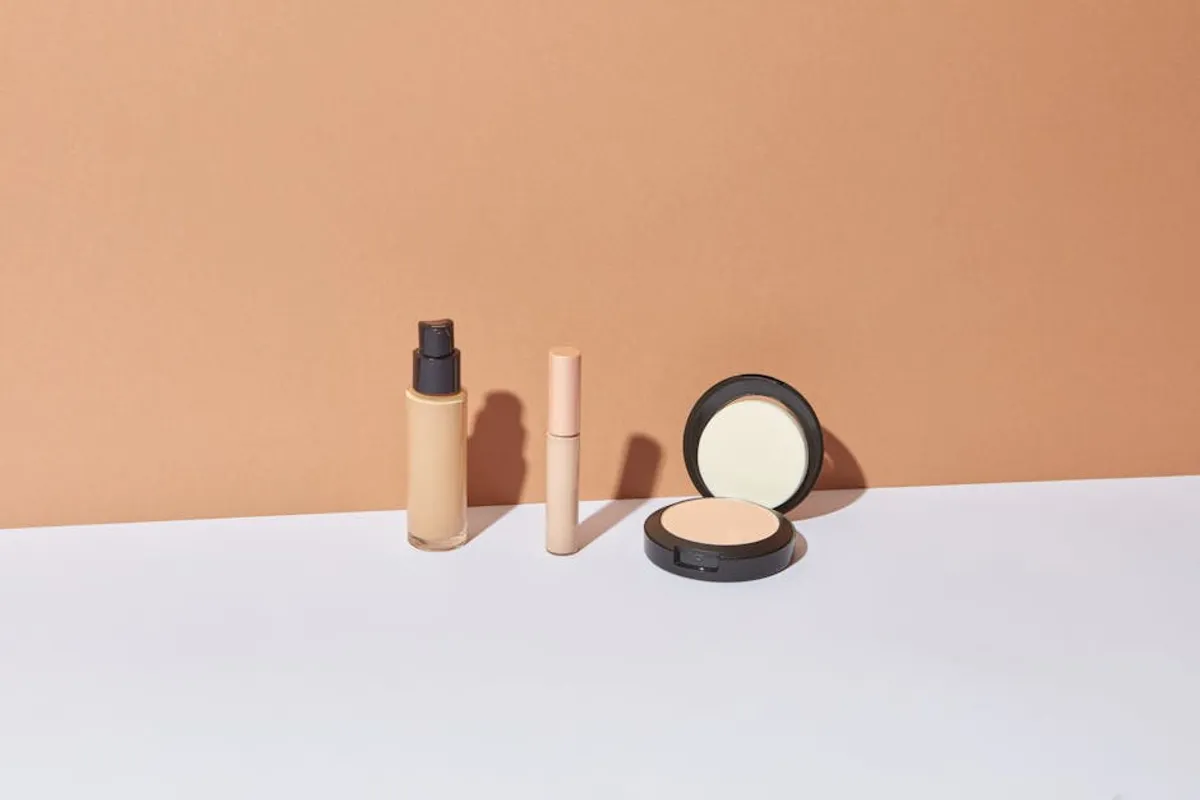
Selecting the optimal cosmetic packaging bags requires a strategic assessment of brand identity, product integrity, and consumer experience. For beauty brands, packaging is not merely a container; it is a critical touchpoint that communicates value, reinforces brand messaging, and protects sensitive formulations. The choice impacts everything from perceived luxury and sustainability credentials to shipping costs and shelf appeal. Brands must weigh material properties, customization capabilities, and the practicalities of storage and transport against their target market's expectations and environmental commitments. This decision matrix necessitates a clear understanding of available options and their specific advantages and limitations. To ensure everything aligns with your vision, consider a thorough custom packaging checklist before ordering.
What to Look For in Cosmetic Packaging Bags
When evaluating cosmetic packaging bags, several factors dictate suitability and effectiveness. Prioritize materials that offer appropriate barrier protection for your product's specific formulation, whether that's against moisture, oxygen, or UV light. For liquid or cream products, robust seals and leak-proof designs are non-negotiable. Customization options, including printing techniques, finishes, and unique shapes, are essential for brand differentiation and shelf impact. Consider the environmental footprint: recyclable, compostable, or reusable materials can resonate strongly with eco-conscious consumers. Practical considerations such as ease of filling, durability during transit, and consumer convenience (e.g., resealability, portability) also play a significant role. Finally, ensure compliance with relevant industry regulations for product safety and labeling.
1. Flexible Stand-Up Pouches
Flexible stand-up pouches represent a versatile packaging solution for a broad range of cosmetic products, particularly liquids, gels, and creams. Constructed from multi-layer films, these pouches offer excellent barrier properties against oxygen and moisture, extending product shelf life. Their flat bottom gusset allows them to stand upright on shelves, maximizing visibility. The material savings and reduced shipping weight compared to rigid containers contribute to lower logistical costs and a smaller carbon footprint. They are often equipped with spouts, zippers, or tear notches for consumer convenience and resealability, making them ideal for refill programs or travel-sized products.
Best for: Refill pouches for existing products, travel-sized lotions and shampoos, single-use masks, or liquid foundations requiring air-tight seals.
Pros:
- Significantly reduces material usage and shipping weight compared to bottles or jars.
- Excellent barrier protection for sensitive formulations, preserving product efficacy.
- High surface area for custom printing and graphic design, enhancing brand visibility.
- Consumer-friendly features like spouts, zippers, and easy-open tear notches.
- Often more cost-effective per unit for high-volume production.
Cons:
- Perceived lower luxury appeal compared to glass or rigid plastic for some premium brands.
- Recyclability can be challenging due to multi-layer film constructions, though mono-material options are emerging.
- Requires specialized filling equipment, which can be an initial investment.
- Susceptible to punctures if not handled carefully in transit or retail environments.
Verdict: A highly practical and increasingly sustainable choice for mass-market and eco-conscious brands looking to reduce material waste and shipping costs while maintaining product integrity and strong visual branding.
2. Luxury Fabric Drawstring Bags
Luxury fabric drawstring bags elevate the unboxing experience and provide a reusable secondary packaging option for high-end cosmetic products. Typically made from materials like velvet, satin, organza, or cotton, these bags convey a sense of exclusivity and sophistication. They serve as a protective layer for delicate items, prevent scratching, and can house multiple products within a gift set. The tactile quality and potential for bespoke embroidery or printing reinforce brand prestige. Post-purchase, consumers often repurpose these bags for jewelry, travel, or small item storage, extending brand presence beyond the initial sale.
Best for: Premium skincare sets, fragrance bottles, delicate makeup compacts, jewelry-inspired cosmetics, or gift-with-purchase promotions.
Pros:
- Enhances perceived value and luxury, creating a memorable unboxing experience.
- Offers protection against scratches and minor impacts for delicate items.
- Highly customizable with various fabrics, colors, drawstrings, and branding methods (embroidery, screen printing).
- Reusable by the consumer, promoting brand loyalty and sustainable practices.
- Soft texture and elegant appearance differentiate products in a competitive market.
Cons:
- Higher unit cost compared to plastic or paper alternatives, impacting profit margins.
- Offers no barrier protection against moisture or air for the primary product.
- Adds bulk and weight, potentially increasing shipping costs for individual items.
- Not suitable as primary packaging for most cosmetic formulations due to lack of barrier.
Verdict: An impactful choice for luxury brands seeking to differentiate through elevated presentation and a commitment to reusable, aesthetically pleasing secondary packaging, justifying the higher cost with enhanced brand perception.
3. Clear PVC/TPU Organizer Bags
Clear PVC (polyvinyl chloride) or TPU (thermoplastic polyurethane) organizer bags offer transparency and water resistance, making them highly functional for cosmetic kits, travel sets, or retail displays. Their see-through nature allows consumers to quickly identify contents, enhancing convenience. TPU is often preferred for its superior flexibility, durability, and eco-friendlier profile compared to traditional PVC, being free from phthalates and more readily recyclable in some streams. These bags are typically sealed with zippers or snaps, providing secure closure and protecting contents from spills or moisture. They are ideal for creating curated product bundles or as a practical accessory for consumers on the go.
Best for: Travel sets, makeup artist kits, promotional bundles, gym-bag essentials, or products needing waterproof storage.
Pros:
- Transparency allows for immediate content identification, improving user experience.
- Water-resistant and easy to clean, protecting products from spills and moisture.
- Durable and reusable, offering long-term value to the consumer.
- Excellent for displaying product collections or promotional sets.
- TPU options provide a more flexible, crack-resistant, and potentially more sustainable alternative to PVC.
Cons:
- Can have a "plastic" feel that might not align with ultra-premium or natural brand aesthetics.
- PVC has environmental concerns regarding production and disposal, though TPU mitigates some of these.
- Limited customization options beyond printing and basic shape variations.
- May not offer sufficient protection against impact for very fragile items.
Verdict: A practical and visually effective solution for brands focused on utility, organization, and transparent product presentation, especially for travel or bundled offerings, with TPU being the preferred material for durability and environmental considerations.
4. Recycled Kraft Paper Bags
Recycled Kraft paper bags provide an authentic, eco-conscious packaging option that appeals to brands emphasizing natural ingredients, sustainability, and a minimalist aesthetic. These bags are typically made from post-consumer recycled content and are themselves recyclable or compostable, aligning with circular economy principles. They offer a rustic, tactile feel that can differentiate products from glossy, synthetic alternatives. While not providing barrier protection for formulations, they are excellent for packaging solid products like soaps, bath bombs, or as secondary packaging for boxed items. Customization often involves simple, elegant printing or stamping, reinforcing an artisanal brand image.
Best for: Solid cosmetics (e.g., shampoo bars, solid perfumes, bath bombs), gift packaging for natural beauty products, or retail shopping bags for eco-friendly brands.
Pros:
- Strong environmental credentials: often recyclable, compostable, and made from recycled content.
- Conveys a natural, artisanal, and sustainable brand image.
- Cost-effective for bulk production, especially for retail or gift packaging.
- Versatile for printing, stamping, and labeling, allowing for bespoke branding.
- Lightweight, reducing shipping costs and environmental impact.
Cons:
- Offers no moisture or air barrier, unsuitable for liquid or sensitive formulations.
- Less durable than plastic or fabric bags; susceptible to tearing and water damage.
- Limited perceived luxury compared to more elaborate packaging materials.
- May not protect delicate items from impact.
Verdict: An excellent choice for beauty brands committed to sustainability and a natural aesthetic, particularly for solid products or as a responsible secondary packaging option that communicates eco-values directly to the consumer.
5. Airtight Laminated Barrier Bags
Airtight laminated barrier bags are engineered for maximum product protection, crucial for cosmetic formulations sensitive to oxidation, moisture, or light. These bags feature multiple layers of different materials, such as PET, foil, and PE, fused together to create an impermeable barrier. The foil layer, in particular, offers superior protection against UV light and oxygen, preserving the stability and efficacy of active ingredients. They are often used for single-dose applications or products with a long shelf life requirement. Their robust construction ensures product integrity from manufacturing through to consumer use, minimizing spoilage and maintaining ingredient potency.
Best for: Single-dose serums, vitamin C products, active ingredient creams, powdered cosmetics, or any product requiring extended shelf life and maximal environmental protection.
Pros:
- Superior barrier protection against oxygen, moisture, and UV light, preserving product efficacy.
- Extends product shelf life significantly, reducing waste from spoilage.
- Lightweight and flexible, reducing shipping costs and storage space.
- Can be designed with tear notches for easy opening and resealable zippers for multi-use products.
- Offers a wide surface for high-quality graphics and branding.
Cons:
- Multi-layer construction typically makes them non-recyclable in most municipal streams.
- Higher material cost due to complex lamination processes and specialized films.
- Requires precise sealing equipment during the filling process.
- Can be perceived as less premium than glass or rigid containers by some consumers.
Verdict: Indispensable for brands formulating with highly sensitive or active ingredients where product stability and shelf life are paramount, prioritizing performance over immediate recyclability in current infrastructure.
6. Custom Printed Mylar Bags
Custom printed Mylar bags (a brand name for biaxially-oriented polyethylene terephthalate, or BoPET) are a robust, visually impactful packaging solution known for their excellent barrier properties and high-definition printing capabilities. Mylar is a metallized film that provides superior protection against oxygen, moisture, and light, similar to foil laminates. Its smooth surface allows for vibrant, full-color graphics and intricate designs, making products stand out on shelves. Often used in industries requiring high-security and tamper-evident features, Mylar bags convey a modern, durable aesthetic. They are particularly favored for products that benefit from a strong visual presence and require significant protection from external elements.
Best for: Specialty cosmetic powders, high-value single-use masks, products containing sensitive botanical extracts, or items requiring tamper-evident packaging and striking visual branding.
Pros:
- Exceptional barrier protection against moisture, oxygen, and UV light, preserving product freshness.
- Allows for high-resolution, full-color custom printing, enabling complex and vibrant designs.
- Durable and tear-resistant, offering good protection during transit and handling.
- Can be heat-sealed for tamper evidence, enhancing consumer trust.
- Lightweight and flexible, optimizing shipping and storage efficiency.
Cons:
- Multi-layer construction typically renders them non-recyclable in standard municipal programs.
- Perceived as less "natural" or "luxury" than glass or certain fabric options.
- Can be more expensive than basic plastic pouches due to material and printing complexity.
- Requires specialized sealing equipment for optimal performance.
Verdict: A powerful choice for brands prioritizing maximum product protection and bold, high-impact visual branding, especially where a modern, durable, and secure packaging aesthetic is desired.
7. Biodegradable PLA Pouches
Biodegradable PLA (polylactic acid) pouches offer an environmentally responsible alternative to traditional plastic packaging, appealing directly to brands with strong sustainability mandates. Derived from renewable resources like corn starch or sugarcane, PLA is designed to break down under specific composting conditions, reducing long-term environmental impact. While offering a lower barrier than multi-layer films, advancements are improving its protective qualities for certain cosmetic applications. Brands choosing PLA emphasize their commitment to reducing plastic waste and offering consumers a more guilt-free purchase. The aesthetic often aligns with natural, clean beauty brands, conveying transparency and eco-friendliness.
Best for: Solid cosmetics (e.g., bath bombs, solid cleansers), powdered masks, or products with a shorter shelf life where primary barrier needs are moderate, for brands with strict compostability goals.
Pros:
- Made from renewable resources, reducing reliance on fossil fuels.
- Biodegradable and compostable in industrial composting facilities, addressing plastic waste concerns.
- Offers a natural, matte finish that aligns with eco-friendly brand aesthetics.
- Reduces the carbon footprint associated with packaging production and disposal.
- Communicates a strong commitment to environmental responsibility to consumers.
Cons:
- Requires specific industrial composting conditions to biodegrade effectively, which may not be universally accessible.
- Lower barrier properties compared to traditional plastics, limiting suitability for highly sensitive or liquid formulations.
- Can be more brittle or less flexible than petroleum-based plastics.
- Higher unit cost compared to conventional plastic pouches.
Verdict: A forward-thinking option for brands whose core identity is rooted in environmental stewardship, willing to navigate the current limitations of biodegradability infrastructure to offer a truly sustainable packaging choice for appropriate product types.
8. Reusable Canvas/Cotton Totes
Reusable canvas or cotton totes serve as powerful branding tools and sustainable alternatives to single-use shopping bags for beauty retailers. These durable fabric bags extend the brand's presence beyond the point of sale, as consumers repurpose them for daily use. Custom printing or embroidery transforms a simple tote into a walking advertisement, reinforcing brand recognition and loyalty. They cater to consumers who prioritize sustainability and appreciate practical, long-lasting items. Offering a tote with a purchase or as a standalone item enhances the brand's eco-conscious image and provides a tangible value-add for customers.
Best for: Retail shopping bags, gift-with-purchase promotions, brand merchandise, or carrying multiple cosmetic products bought in-store.
Pros:
- Highly effective for brand promotion and visibility through repeated consumer use.
- Environmentally friendly, reducing reliance on single-use plastic bags.
- Durable and long-lasting, offering perceived value to the consumer.
- Wide range of customization options for printing, fabric weight, and handle styles.
- Aligns with sustainable brand values and appeals to eco-conscious consumers.
Cons:
- Higher unit cost compared to paper or thin plastic shopping bags.
- Adds bulk and weight, which can be a factor for shipping or storage.
- Not suitable as primary product packaging due to lack of barrier protection.
- Requires a larger storage footprint for inventory compared to disposable bags.
Verdict: An excellent investment for beauty brands looking to enhance their retail experience, promote sustainability, and create lasting brand impressions through a practical and reusable item that extends marketing reach.
9. Miniature Sample Sachets
Miniature sample sachets are a cost-effective and efficient way to introduce new products, allow consumers to test formulations, or provide single-use applications. Typically constructed from multi-layer film laminates, these small pouches offer sufficient barrier protection for a limited duration, ensuring the integrity of the sample. Their compact size and lightweight nature make them ideal for inclusion in subscription boxes, magazines, or as in-store giveaways. High-quality printing on sachets is crucial for conveying brand information and product benefits in a concise format, enticing consumers to purchase the full-sized product.
Best for: New product launches, marketing campaigns, subscription box inclusions, travel-sized samples, or single-use treatment masks.
Pros:
- Very low unit cost, making large-scale sampling campaigns economically viable.
- Minimal material usage and lightweight, reducing environmental impact and shipping costs.
- Allows consumers to try products before committing to a full-size purchase, driving conversion.
- Provides adequate barrier protection for single-use applications.
- Compact size is convenient for distribution and consumer portability.
Cons:
- Multi-layer construction often renders them non-recyclable.
- Generates significant waste if not disposed of properly by consumers.
- Limited space for extensive product information or ingredient lists.
- Perceived value is lower than full-sized products, as expected for samples.
Verdict: An indispensable tool for marketing and product introduction, allowing brands to reach a wide audience with minimal investment and encouraging trial, despite current recyclability challenges.
10. Tamper-Evident Security Bags
Tamper-evident security bags are designed to provide an undeniable visual indicator if a product has been opened or compromised, crucial for maintaining consumer trust and product safety. These bags often feature specialized adhesive closures that display a "void" message upon opening, or perforations that tear irreversibly. While not typically primary cosmetic packaging, they are essential for high-value products, regulated items, or products shipped directly to consumers where integrity is paramount. They convey a strong message of security and authenticity, protecting both the brand from liability and the consumer from potentially altered goods.
Best for: High-value serums, medical-grade cosmetics, direct-to-consumer shipments, or products requiring verifiable authenticity and security during transit.
Pros:
- Provides clear visual evidence of tampering, ensuring product integrity and consumer safety.
- Enhances brand reputation by demonstrating a commitment to security and quality control.
- Reduces instances of returns due to perceived tampering or product alteration.
- Can be customized with sequential numbering or barcodes for tracking and traceability.
- Offers peace of mind for both the brand and the end-user.
Cons:
- Adds an additional layer of packaging, potentially increasing material use and cost.
- Not typically designed for aesthetic appeal, focusing purely on functionality.
- Can be perceived as overly industrial for some luxury cosmetic brands.
- May not be easily recyclable due to specialized materials and adhesives.
Verdict: Essential for brands handling high-value, sensitive, or regulated cosmetic products where verifiable security and consumer trust are critical, providing a functional layer of protection beyond primary packaging.
11. Tube-Style Dispenser Pouches
Tube-style dispenser pouches combine the efficiency of a flexible pouch with the controlled dispensing of a tube, offering a user-friendly solution for viscous cosmetic products. These pouches are typically made from multi-layer films, often with a metallic layer for barrier protection, and feature a nozzle or cap for precise application. They are lightweight, reduce product waste through efficient evacuation, and are more durable than rigid tubes in some travel scenarios. Their flexible nature allows for complete product extraction, appealing to consumers who dislike leaving product behind in traditional packaging. They are particularly effective for refills or large-format products.
Best for: Large-format lotions, body washes, hair conditioners, sunscreens, or any viscous product where controlled dispensing and complete evacuation are desired.
Pros:
- Efficient product evacuation, minimizing waste and maximizing value for the consumer.
- Lightweight and flexible, reducing shipping costs and making them travel-friendly.
- Offers good barrier protection for product stability and shelf life.
- Controlled dispensing through a nozzle or cap, enhancing user experience.
- Often more durable than rigid tubes against drops or impacts.
Cons:
- Multi-layer construction typically makes them non-recyclable.
- Requires specialized filling and sealing equipment.
- May not convey the same premium aesthetic as rigid tubes or bottles for some brands.
- Limited shape variety compared to other pouch types.
Verdict: A highly functional and economical choice for viscous cosmetic products, particularly for refill programs or large-format offerings, prioritizing user