
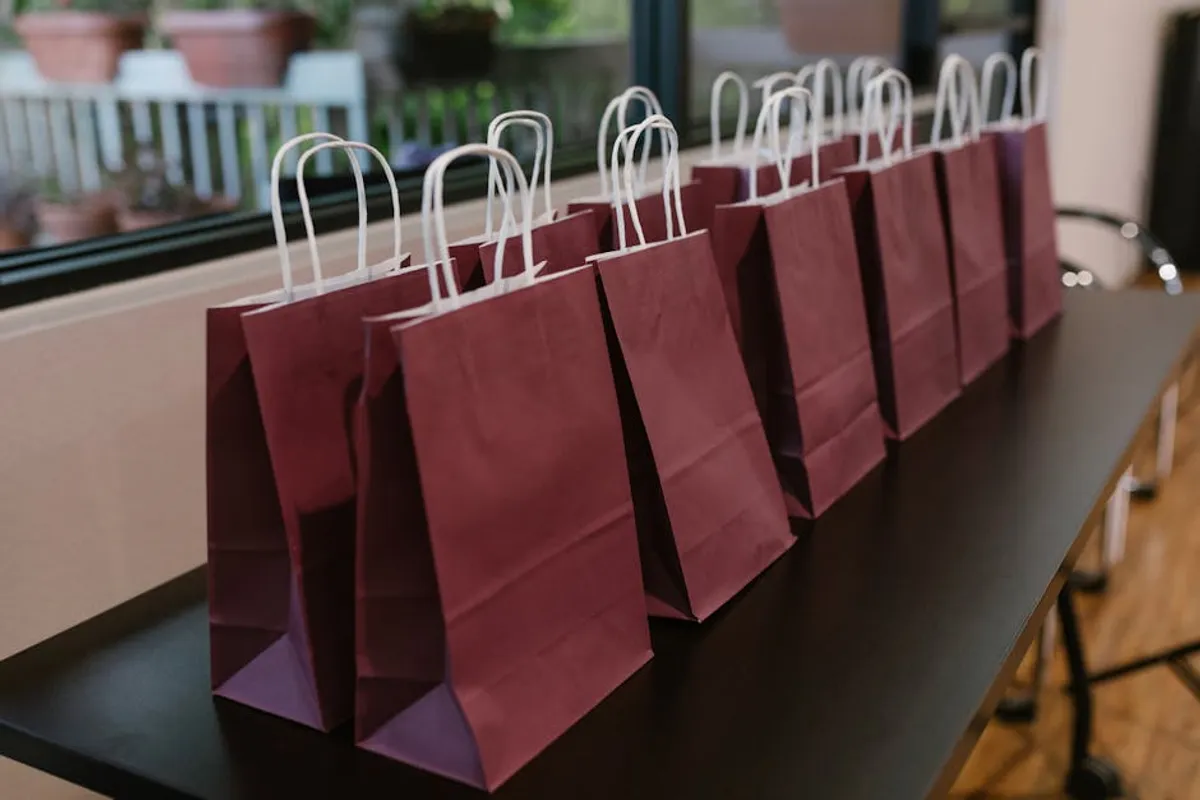
Selecting the optimal gift bag for events and retail involves more than just aesthetics; it's a strategic decision that impacts brand perception, customer experience, and ultimately, commercial outcomes. The right bag extends the value of its contents, reinforces brand identity, and serves as a tangible reminder of an experience or purchase. Conversely, a poorly chosen bag can detract from the perceived value of an offering, create logistical challenges, or fail to deliver on its intended marketing potential. This guide dissects various gift bag types, evaluating their specific applications, advantages, and limitations to inform commercially sound choices for diverse event and retail contexts.
What to Look For When Choosing Gift Bags
Before committing to a specific gift bag solution, evaluate several critical factors that influence both functionality and brand alignment. A clear understanding of these elements ensures the chosen bag effectively serves its purpose.
- Material Durability and Appearance: The material dictates the bag's strength, reusability, and perceived quality. Options range from economical paper to premium fabrics. Consider the weight of the contents and the desired impression. A luxury item demands a bag that reflects its value, while a promotional giveaway might prioritize cost-effectiveness and broad distribution.
- Customization Potential: Effective branding requires adequate surface area and printing capabilities. Assess whether the bag material allows for high-fidelity logo reproduction, custom graphics, or specific color matching. Some materials accept complex designs better than others, impacting visual consistency.
- Sustainability Credentials: Consumer and corporate focus on environmental impact is increasing. Evaluate options for recycled content, recyclability, biodegradability, or reusability. Clearly communicating these attributes can enhance brand reputation and resonate with target audiences.
- Size and Capacity: The bag must comfortably accommodate its intended contents without appearing overstuffed or excessively large. Mismatched sizing can undermine presentation and create an awkward user experience. Consider the dimensions and volume requirements of items to be bagged.
- Cost-Effectiveness at Scale: Budget constraints are a practical reality. Compare unit costs across different materials and customization levels, factoring in minimum order quantities and shipping. The cheapest option is not always the most cost-effective if it compromises durability or brand image.
- Handle Type and Comfort: Handles contribute to both aesthetics and user convenience. Options include twisted paper, flat paper, ribbon, rope, or die-cut handles. For heavier items or bags intended for extended carrying, comfortable and robust handles are essential.
- Event or Retail Context: A trade show giveaway bag differs significantly from a high-end boutique shopping bag. Consider the duration of the event, how far attendees will carry the bag, and the desired post-event utility. Retail bags need to align with the store’s brand and customer journey.
1. The Premium Matte Laminated Euro Tote
This bag type signifies sophistication, often featuring a smooth, non-glossy finish that resists fingerprints and minor scuffs. Constructed from heavy-duty paperboard, it typically includes reinforced top and bottom inserts for structural integrity and high-quality rope or ribbon handles. The matte lamination provides a subtle tactile experience and enhances the depth of printed colors, projecting an understated luxury.
Best for: High-end retail boutiques, luxury brand events, corporate gifting, product launches, or any scenario where a premium, refined presentation is paramount. Ideal for items like jewelry, cosmetics, designer apparel, or exclusive publications.
Pros:
- Elevated Aesthetics: The matte finish and robust construction convey a strong sense of quality and exclusivity, directly enhancing brand perception.
- Durability: Heavy paper stock and lamination provide superior strength and resistance to minor moisture, protecting contents effectively.
- Customization: Excellent surface for precise, high-definition printing, including metallic inks, spot UV, or embossing, allowing for sophisticated branding.
- Reusable Perception: Often retained by recipients due to its quality, extending brand exposure beyond the initial event or purchase.
Cons:
- Higher Unit Cost: Production expenses are significantly greater than standard paper or plastic bags, impacting budget for large-scale distribution.
- Environmental Footprint: While paper-based, the lamination can complicate recycling processes, depending on local facilities.
- Weight: Heavier than other options, potentially increasing shipping costs for bulk orders.
Verdict: A definitive choice for brands prioritizing luxury and perceived value. Its higher cost is justified by its impact on brand image and potential for extended brand visibility, making it a strategic investment for premium offerings.
2. The Sustainable Kraft Paper Shopper
Crafted from natural, unbleached brown or white kraft paper, this bag emphasizes an eco-conscious brand message. It often features twisted paper handles or flat paper handles, maintaining a cohesive, natural aesthetic. While less formal than laminated options, its raw, earthy texture communicates authenticity and environmental responsibility, appealing to a growing segment of consumers who prioritize sustainable practices.
Best for: Eco-friendly brands, organic food retailers, craft fairs, farmers' markets, bookstores, or any business aiming to project an authentic, sustainable, or artisanal image. Suitable for a wide range of products where the packaging needs to align with ethical consumer values.
Pros:
- Eco-Friendly Image: Made from renewable resources and often recyclable, aligning with sustainability goals and appealing to environmentally conscious consumers.
- Cost-Effective: Generally more affordable than laminated or fabric bags, making it suitable for higher volume needs.
- Versatile Aesthetics: The natural look provides a neutral canvas for branding, complementing various product types and brand identities.
- Biodegradable: Decomposes naturally, reducing long-term environmental impact.
Cons:
- Limited Durability: Less resistant to moisture and tearing compared to laminated or fabric bags, making it less suitable for heavy or sharp items.
- Basic Appearance: May not convey the same level of luxury or formality as premium options, potentially clashing with high-end brand strategies.
- Printing Limitations: While printable, intricate designs or vibrant colors may not appear as sharp or rich as on coated surfaces.
Verdict: An excellent choice for brands committed to sustainability and seeking a cost-effective, natural packaging solution. Its strength lies in its clear environmental message and broad appeal to ethical consumers, though durability and high-end presentation are secondary considerations.
3. The Reusable Non-Woven Polypropylene Bag
Constructed from spun-bonded polypropylene, this bag offers a durable, water-resistant, and lightweight solution designed for repeated use. Its fabric-like texture and stitched construction provide a more substantial feel than paper bags. Often available in a wide range of colors, it’s a popular choice for promotional giveaways due to its longevity and high potential for brand exposure over time, functioning as a walking billboard.
Best for: Trade shows, conferences, grocery stores, promotional events, membership drives, or any scenario where extended brand visibility and reusability are key objectives. Ideal for carrying multiple items, documents, or groceries.
Pros:
- High Reusability: Designed for multiple uses, significantly extending brand exposure as recipients carry it repeatedly.
- Durability: Strong, water-resistant, and tear-resistant, capable of holding heavier or bulkier items than most paper bags.
- Cost-Efficient Long-Term: While initial cost might be higher than basic paper, its reusability often provides a better return on investment for brand impressions.
- Wide Color Range: Available in many pre-dyed colors, allowing for strong brand alignment without extensive printing.
Cons:
- Environmental Concerns: Made from plastic, albeit recyclable in some facilities, it faces scrutiny from consumers prioritizing biodegradable options.
- Less Formal Aesthetic: Its utilitarian appearance may not suit luxury or high-end retail environments.
- Printing Complexity: While screen printing is common, complex, full-color graphics can be more challenging or expensive than on paper.
Verdict: A highly effective choice for maximizing brand reach through reusability and durability, particularly in promotional contexts. Brands must weigh its long-term marketing benefits against potential environmental perceptions, ensuring alignment with their overall brand strategy.
4. The Custom Cotton Drawstring Pouch
These pouches are typically made from natural cotton canvas or muslin, offering a soft, tactile, and often rustic appeal. They close with a simple drawstring, providing a secure enclosure for contents. Their fabric construction makes them inherently reusable and often washable, positioning them as a premium, eco-conscious alternative to traditional bags. Customization through screen printing or embroidery allows for a personalized touch.
Best for: Small luxury items (jewelry, cosmetics, artisanal goods), gift sets, event favors (weddings, corporate retreats), promotional packaging for high-value samples, or any product requiring a soft, protective, and reusable enclosure.
Pros:
- Premium Perception: The fabric material and drawstring closure convey a sense of care and quality, elevating the perceived value of contents.
- High Reusability: Recipients often repurpose these pouches for storage, travel, or organization, providing long-term brand exposure.
- Eco-Friendly: Made from natural, biodegradable fibers, appealing to environmentally conscious consumers.
- Soft Protection: Offers a gentle enclosure, ideal for delicate or easily scuffed items.
Cons:
- Limited Capacity: Generally smaller than traditional bags, unsuitable for bulky items.
- Higher Unit Cost: Fabric construction and custom finishing make these more expensive than most paper or non-woven options.
- Printing Constraints: While effective for simple logos, complex, multi-color designs can be challenging or costly to reproduce on fabric.
Verdict: An excellent choice for brands seeking to add a touch of handcrafted luxury and sustainability to their packaging, particularly for smaller, higher-value items. Its reusability and premium feel justify the increased investment, enhancing the overall customer experience.
5. The Gloss Laminated Art Paper Bag
Featuring a high-sheen, reflective finish, this bag type is constructed from art paper stock and coated with a glossy laminate. The lamination provides a vibrant, eye-catching appearance, making colors pop and graphics appear sharper. Like its matte counterpart, it often includes reinforced handles and sturdy construction, but its primary differentiator is the bright, polished aesthetic that commands attention.
Best for: Fashion retail, beauty brands, tech product launches, celebratory events, or any context where a bold, modern, and visually striking presentation is desired. Suitable for products where packaging needs to convey excitement and contemporary appeal.
Pros:
- Vibrant Visuals: The glossy finish intensifies colors and enhances photographic images, creating a highly impactful visual presentation.
- Durability and Water Resistance: Lamination provides a protective layer against minor abrasions and moisture, increasing the bag's lifespan.
- Perceived Quality: The smooth, reflective surface contributes to a sense of professionalism and modern luxury.
- Easy to Clean: The smooth surface can be wiped clean, maintaining its pristine appearance.
Cons:
- Fingerprint and Scuff Visibility: The high-gloss surface can easily show fingerprints and minor surface scratches, potentially detracting from its pristine appearance if not handled carefully.
- Recycling Challenges: Similar to matte lamination, the plastic coating can complicate recycling processes.
- Can Appear Less Formal: While striking, some perceive gloss finishes as less sophisticated than matte for certain luxury applications.
Verdict: A strong contender for brands that aim for a dynamic, contemporary, and visually arresting presentation. Its ability to make branding elements stand out is a key advantage, though careful handling and environmental considerations are necessary.
6. The Clear PVC Event Tote
Made from transparent polyvinyl chloride (PVC), these bags offer a unique blend of visibility and utility. Their clear construction allows contents to be seen, which can be a security requirement at certain events or a deliberate marketing choice to showcase products. Typically featuring sturdy handles and often a zippered closure, they are durable and water-resistant, designed for repeated use in environments where security or content visibility is critical.
Best for: Sporting events, concerts, festivals, security-conscious venues, product showcasing, or as a distinctive retail bag for products that benefit from immediate visibility (e.g., promotional kits, branded merchandise). Also effective for beach or pool-related promotions.
Pros:
- Content Visibility: Allows contents to be seen immediately, useful for security checks or showcasing curated items.
- Waterproof: Excellent protection for contents against spills, rain, or damp environments.
- Durability: PVC is a robust material, making these bags highly reusable and resistant to tearing.
- Unique Aesthetic: Stands out from traditional opaque bags, offering a modern and functional look.
Cons:
- Environmental Impact: PVC is a plastic with known environmental concerns regarding production and disposal, potentially clashing with sustainability initiatives.
- Privacy Concerns: The transparent nature means contents are always visible, which may not be desirable for all recipients or products.
- Limited Customization: Branding is typically limited to screen printing or heat transfer on specific areas, rather than full-surface designs.
Verdict: A highly functional choice for specific event requirements or product showcasing where transparency and waterproof protection are paramount. Brands must weigh the practical benefits against the environmental footprint and privacy implications for their target audience.
7. The Die-Cut Handle Paper Bag
This is a minimalist paper bag featuring handles integrated directly into the bag’s structure through a cut-out at the top, rather than separate attached handles. This design offers a clean, streamlined appearance without external handle attachments. Typically made from medium to heavy-weight paper stock, it balances economy with a slightly more refined look than basic twisted-handle bags, making it suitable for quick-service retail or lighter items.
Best for: Quick-service restaurants, takeaway food, small retail purchases (e.g., stationery, accessories), pharmacies, or promotional giveaways where ease of carrying and a clean aesthetic are prioritized for lighter goods.
Pros:
- Clean Aesthetic: The integrated handle design provides a sleek, uncluttered look, enhancing brand visibility on the bag's surface.
- Cost-Effective: Generally more economical than bags with attached rope or ribbon handles, reducing unit cost.
- Stackable: Without external handles, these bags are often easier to stack and store efficiently, saving space.
- Fully Recyclable: Typically made from 100% paper, simplifying the recycling process.
Cons:
- Limited Weight Capacity: The die-cut handle can tear under significant stress, making it unsuitable for heavy or bulky items.
- Less Comfortable: The cut-out handle can be less comfortable to carry for extended periods or with heavier loads compared to rope or ribbon handles.
- Reduced Perceived Value: May not convey the same level of premium quality as bags with more elaborate handle constructions.
Verdict: A practical and economical choice for businesses needing a clean, simple packaging solution for lighter items. Its cost-effectiveness and recyclable nature make it a strong option for high-volume, transactional retail where durability for heavy loads is not the primary concern.
8. The Insulated Cooler Bag
Designed with thermal insulation, these bags maintain the temperature of their contents, whether hot or cold. They are typically constructed from non-woven polypropylene or polyester fabric, often with a foil or foam lining. Featuring secure closures like zippers and sturdy handles, they are built for utility and extended use, providing a tangible benefit to the recipient beyond simple transportation.
Best for: Food and beverage events, catering services, grocery promotions, outdoor festivals, pharmaceutical deliveries, or any scenario where temperature control for items like perishable samples, chilled drinks, or prepared meals is essential. Also popular as corporate gifts.
Pros:
- Temperature Control: Keeps food and beverages hot or cold for extended periods, preserving quality and freshness.
- High Perceived Value: Offers a practical, long-term utility to recipients, making it a highly valued giveaway or retail item.
- Durability and Reusability: Robust construction ensures multiple uses, providing significant long-term brand exposure.
- Large Branding Area: Often provides ample space for prominent logo placement and messaging.
Cons:
- Higher Unit Cost: The specialized insulation and construction make these bags significantly more expensive than standard options.
- Bulkier: Due to insulation, they are larger and heavier, increasing storage and shipping costs.
- Less Formal Aesthetic: Their utilitarian design may not suit luxury retail or formal event contexts.
Verdict: A highly effective, value-added solution for brands dealing with temperature-sensitive products or aiming to provide a genuinely useful, long-lasting promotional item. The higher investment is justified by its functional benefits and extended brand visibility.
9. The Jute or Burlap Tote
These bags are crafted from natural, coarse fibers, offering a distinct rustic and organic aesthetic. Jute and burlap are renewable resources, making these bags a strong choice for brands emphasizing natural materials and sustainability. They are inherently strong and durable, capable of carrying heavy loads, and often feature robust fabric handles. Their texture provides a unique tactile experience.
Best for: Artisan markets, organic product lines, sustainable fashion brands, agricultural events, beach-themed promotions, or any brand seeking to convey a natural, earthy, or handcrafted image. Excellent for heavier, bulkier items that require a sturdy, eco-friendly carrier.
Pros:
- Eco-Friendly and Sustainable: Made from 100% natural, biodegradable, and renewable fibers, appealing strongly to environmentally conscious consumers.
- Exceptional Durability: Jute and burlap are naturally strong, allowing these bags to carry heavy loads without tearing.
- Unique Aesthetic: The coarse, natural texture provides a distinctive, organic look that differentiates it from smoother materials.
- High Reusability: Their robust nature encourages repeated use, extending brand exposure.
Cons:
- Rough Texture: The coarse fibers may not be suitable for delicate items prone to snagging.
- Limited Fine Printing: Intricate designs or fine details can be challenging to reproduce accurately on the uneven surface of jute or burlap.
- Higher Cost: Generally more expensive than basic paper or non-woven bags due to material and manufacturing processes.
Verdict: An outstanding choice for brands deeply committed to sustainability and desiring a rugged, natural aesthetic. Its durability and eco-credentials provide significant value, particularly for heavier items or brands targeting an environmentally aware demographic, despite potential printing limitations.
10. The Velvet Drawstring Pouch
Crafted from soft, plush velvet fabric, these pouches exude luxury and tactile appeal. The rich texture and often deep colors provide an immediate sense of opulence, making them ideal for presenting high-value items. They typically feature a matching satin or velvet drawstring closure, ensuring contents are held securely and presented elegantly. Velvet pouches offer a sophisticated alternative to traditional rigid packaging for small goods.
Best for: High-end jewelry, delicate cosmetics, luxury watches, premium gift cards, small electronics, or exclusive event favors. Perfect for brands where the packaging itself needs to communicate prestige, softness, and an element of indulgence.
Pros:
- Ultimate Luxury Perception: The velvet material instantly elevates the perceived value of the contents, creating a memorable unboxing experience.
- Soft Protection: Provides superior cushioning and protection for delicate or easily scratched items.
- Tactile Appeal: The plush texture offers a pleasant sensory experience, enhancing brand recall.
- Reusable: Often kept and repurposed by recipients, extending the luxury experience and brand association.
Cons:
- High Unit Cost: Velvet is a premium material, making these pouches among the most expensive packaging options.
- Limited Size Range: Primarily suitable for very small, high-value items, not practical for larger products.
- Delicate: Velvet can be prone to crushing or showing marks if not handled carefully, requiring thoughtful storage.
- Printing Challenges: Customization is typically limited to embroidery or foil stamping, which can be expensive and complex.
Verdict: A niche but highly impactful choice for brands operating in the luxury segment. Its unparalleled ability to convey opulence and provide delicate protection justifies the significant investment, making it a powerful tool for enhancing the perceived value of premium products.
11. The Recycled Content Paper Carrier
These bags are produced from paper stock that incorporates a significant percentage of post-consumer or post-industrial recycled content. Visually similar to standard paper bags, their key differentiator lies in their verifiable environmental claim. They can come with various handle types (twisted, flat, or die-cut) and finishes, but their core appeal is their contribution to circular economy principles and reduced virgin material consumption.
Best for: Any retail or event context where sustainability is a brand value, but a traditional paper bag aesthetic is preferred. Suitable for a wide range of products, particularly for brands that need to demonstrate tangible environmental responsibility without compromising on functionality.
Pros:
- Strong Environmental Statement: Explicitly demonstrates a commitment to sustainability by