
For ecommerce sellers, packaging is not merely a container; it is a critical touchpoint influencing customer perception, product integrity, and operational costs. The choice of packaging bags directly impacts shipping expenses, product damage rates, unboxing experience, and brand reputation. Navigating the array of options requires a strategic approach, balancing material costs, protective qualities, weight considerations, and opportunities for brand reinforcement. Understanding the specific attributes of each bag type allows sellers to optimize their packaging strategy, ensuring products arrive safely while aligning with budget and sustainability goals.
Key Considerations for Ecommerce Packaging
Selecting the appropriate packaging for ecommerce involves evaluating several factors beyond just the immediate cost. Each decision influences logistics, customer satisfaction, and brand image.
- Product Protection: Assess the fragility and specific handling requirements of your items. Fragile goods demand more cushioning and rigid containers, while soft goods can tolerate lighter, flexible packaging.
- Shipping Costs and Weight: Lighter packaging reduces shipping expenses. Consider the dimensional weight implications of bulkier packaging, as carriers often charge based on volume or actual weight, whichever is greater.
- Brand Presentation: Packaging is an extension of your brand. Opportunities for custom printing, unique textures, or branded inserts can elevate the unboxing experience and foster customer loyalty.
- Sustainability: Consumer demand for eco-friendly options is rising. Explore materials that are recyclable, compostable, made from recycled content, or designed for reuse to align with environmental values.
- Operational Efficiency: Consider how easily and quickly your chosen packaging can be assembled, filled, and sealed. Efficient packaging processes reduce labor costs and speed up order fulfillment.
- Tamper Evidence: For high-value goods or items requiring security, packaging that clearly shows signs of tampering provides an essential layer of protection and builds consumer trust.
- Storage and Inventory: Evaluate the storage footprint of your packaging materials. Flat-packed boxes or rolls of mailers can optimize warehouse space.
1. Poly Mailers
Poly mailers are lightweight, flexible plastic envelopes constructed from polyethylene film, designed for shipping non-fragile items. They offer a cost-effective solution for products that require protection from moisture and minor abrasions rather than significant impact. These mailers typically feature a self-sealing adhesive strip for quick closure and are available in a wide range of sizes and thicknesses.
Best For: Apparel, soft goods, books, documents, small electronics with existing protective casing, or any non-breakable items where water resistance and minimal shipping weight are primary concerns.
Pros:
- Significantly lower unit cost compared to boxes, reducing overall packaging expenditure.
- Lightweight nature minimizes added shipping weight, directly lowering postage costs.
- Excellent water resistance protects contents from rain, spills, and humidity during transit.
- Flexible material conforms to item shape, allowing for efficient packing of irregular products.
- Customizable with printing for branding, enhancing unboxing aesthetics at a lower cost than custom boxes.
Cons:
- Provides minimal impact protection; unsuitable for fragile or easily dented items.
- Susceptible to punctures or tears from sharp objects if the film is not sufficiently thick.
- Environmental concerns regarding plastic waste if not made from recycled or biodegradable materials.
Verdict: An economical and efficient choice for resilient products where moisture protection is key, but insufficient for items requiring substantial impact resistance or structural support.
2. Padded Poly Mailers
Padded poly mailers, commonly known as bubble mailers, combine the lightweight and water-resistant qualities of poly mailers with an internal layer of bubble cushioning. This integrated padding provides a crucial buffer against impacts, drops, and vibrations during the shipping process, offering a higher level of protection than standard poly mailers without the bulk of a box.
Best For: Small electronics, cosmetics, jewelry, small books, DVDs, delicate apparel accessories, or any semi-fragile items requiring moderate impact protection and moisture resistance.
Pros:
- Integrated bubble lining offers effective cushioning against shocks and impacts.
- Retains the lightweight advantage of poly mailers, keeping shipping costs low.
- Exterior poly film provides good water resistance, protecting contents from environmental moisture.
- Flexible design accommodates various item shapes, simplifying packing.
- Self-sealing closure streamlines the packing process, improving operational efficiency.
Cons:
- Higher unit cost than standard poly mailers due to the added cushioning material.
- While protective, it does not offer the rigid crush resistance of a corrugated box.
- Bulkier than unpadded mailers, potentially increasing dimensional weight for some carriers if not compressed.
- Environmental impact from mixed materials (plastic film and bubble wrap) can complicate recycling.
Verdict: A versatile middle-ground solution for items needing more protection than a poly mailer but less rigidity than a box, balancing cost and safety for semi-fragile goods.
3. Kraft Paper Mailers
Kraft paper mailers are envelopes constructed from durable, often recycled, kraft paper. They come in both rigid (stay-flat) and non-rigid (padded or unpadded) varieties. Rigid kraft mailers typically feature stiff cardboard inserts to prevent bending, while padded versions use shredded paper or fiberfill for cushioning. They offer a natural, eco-friendly aesthetic and are often preferred for their recyclability.
Best For: Documents, photographs, art prints, books, small flat items, or products where a natural, recyclable, or bend-resistant presentation is desired.
Pros:
- Often made from recycled content and are widely recyclable, appealing to eco-conscious consumers.
- Rigid versions provide excellent bend protection for flat, delicate items like artwork or certificates.
- Offers a natural, premium aesthetic that can enhance brand perception.
- Padded versions provide moderate cushioning for semi-fragile items.
- Printable surface allows for effective branding and custom designs.
Cons:
- Less water-resistant than poly mailers; susceptible to damage from moisture unless coated.
- Generally heavier than poly mailers, potentially increasing shipping costs for bulkier items.
- Rigid versions can be less flexible for irregularly shaped products.
- Padded versions may have a higher unit cost than basic poly mailers.
Verdict: An excellent choice for flat, bend-sensitive items and brands prioritizing recyclability and a natural, unboxing experience, provided moisture exposure is minimal.
4. Corrugated Shipping Boxes
Corrugated shipping boxes are constructed from multiple layers of paperboard, forming fluted sheets that provide significant structural integrity and cushioning. Available in various strengths (e.g., single-wall, double-wall), they are the standard for shipping a wide array of products due to their superior crush resistance and stacking strength. They protect contents from impact and compression during transit.
Best For: Fragile items, electronics, multiple product orders, heavy goods, items requiring significant crush protection, or products that need to be presented in a more traditional, structured manner.
Pros:
- Offers superior crush resistance and impact protection, safeguarding fragile items effectively.
- Provides structural rigidity, allowing for efficient stacking and palletization in warehouses and during transit.
- Versatile for packaging a wide range of product sizes and weights.
- Made from recyclable materials, often containing post-consumer content, making them an eco-friendly option.
- Easy to assemble and can be sealed securely with tape, providing a robust packaging solution.
Cons:
- Higher unit cost and shipping weight compared to mailers, increasing overall logistics expenses.
- Takes up more storage space when flat-packed than mailers, and significantly more when assembled.
- Requires additional void fill materials (e.g., packing peanuts, air pillows) for optimal protection of smaller items.
- Less water-resistant than poly mailers unless specifically coated or waxed.
Verdict: The industry standard for reliable product protection, essential for fragile, heavy, or multi-item shipments where structural integrity and safety are paramount.
5. Custom Branded Shipping Boxes
Custom branded shipping boxes are corrugated boxes that feature bespoke printing, colors, and designs tailored to a specific brand. Beyond mere protection, these boxes transform the unboxing experience into a powerful marketing opportunity. They can include internal printing, custom inserts, and specific finishes, elevating the perceived value of the product and reinforcing brand identity from the moment of delivery.
Best For: Premium products, subscription boxes, luxury goods, high-value electronics, or any brand seeking to create a memorable, high-end unboxing experience and strengthen customer loyalty.
Pros:
- Significantly enhances brand recognition and creates a distinct, memorable unboxing experience.
- Communicates professionalism and attention to detail, elevating perceived product value.
- Offers extensive design flexibility for logos, graphics, brand messaging, and internal printing.
- Can be designed with custom inserts for secure product placement, reducing the need for generic void fill.
- Serves as a powerful marketing tool, generating social media shares and positive word-of-mouth.
Cons:
- Substantially higher unit cost due to custom printing and design requirements.
- Requires larger minimum order quantities, necessitating more upfront investment and storage space.
- Longer lead times for production compared to off-the-shelf packaging.
- Still carries the weight and bulk disadvantages of standard corrugated boxes, impacting shipping costs.
Verdict: An investment in brand identity and customer experience, ideal for businesses where the unboxing moment is a critical component of their marketing and retention strategy.
6. Eco-Friendly Mailers
Eco-friendly mailers encompass a range of packaging solutions designed to minimize environmental impact. This category includes compostable mailers (often made from plant-based polymers), recycled content mailers (poly or kraft), and reusable mailers. They aim to reduce plastic waste, conserve resources, and offer a sustainable alternative to traditional packaging, appealing to environmentally conscious consumers.
Best For: Brands with a strong sustainability mission, organic products, natural goods, apparel, or any ecommerce seller targeting eco-conscious customers where environmental impact is a key purchasing factor.
Pros:
- Aligns with consumer demand for sustainable practices, enhancing brand image and attracting specific demographics.
- Reduces environmental footprint through the use of recycled, recyclable, or compostable materials.
- Compostable options break down naturally, diverting waste from landfills.
- Recycled content mailers reduce reliance on virgin plastics and paper.
- Can be custom printed to highlight eco-credentials, reinforcing brand values.
Cons:
- Generally higher unit cost compared to conventional poly mailers or kraft options.
- Compostable materials may have specific storage requirements and shelf lives before degradation.
- Performance characteristics (e.g., water resistance, tear strength) can sometimes be slightly less robust than traditional materials.
- Consumer education may be required for proper disposal (e.g., industrial vs. home composting).
Verdict: A strategic choice for brands committed to sustainability, offering a competitive edge and meeting evolving consumer expectations, despite potentially higher costs and specific material considerations.
7. Tamper-Evident Security Bags
Tamper-evident security bags are specialized poly bags designed with features that visibly indicate if the bag has been opened or compromised. These features often include sequential numbering, unique barcodes, void-indicating adhesive closures, and tear-off receipts. They are constructed from durable, opaque polyethylene film to protect contents and deter theft or unauthorized access during transit.
Best For: High-value items, confidential documents, pharmaceuticals, cash, electronics, or any product where security, authenticity, and proof of non-tampering are critical requirements.
Pros:
- Provides a clear visual indication if the package has been opened, enhancing security and trust.
- Deters theft and unauthorized access, protecting valuable or sensitive contents.
- Often features unique serial numbers and barcodes for tracking and chain-of-custody verification.
- Durable, opaque material conceals contents, preventing "smash and grab" identification.
- Offers good water resistance, protecting contents from moisture.
Cons:
- Significantly higher unit cost than standard poly mailers due to specialized features.
- Primarily focused on security, offering minimal cushioning or impact protection for fragile items.
- Less aesthetically focused; branding opportunities are typically limited to logos and security warnings.
- May require specific handling protocols for logging and verification.
Verdict: An essential packaging solution for products where security and integrity are paramount, providing peace of mind for both sellers and recipients, despite the increased cost.
8. Apparel Poly Bags
Apparel poly bags are clear, self-sealing polyethylene bags specifically designed for packaging clothing and soft goods. They protect items from dust, moisture, and handling marks, ensuring they arrive in pristine condition. Often equipped with a suffocation warning and vent holes, these bags maintain product presentation within a larger shipping container or for retail display.
Best For: Clothing, textiles, accessories, soft toys, or any product that needs individual protection from dust and moisture while maintaining visibility and a neat presentation within a larger box or mailer.
Pros:
- Protects individual garments from dust, dirt, and moisture during storage and transit.
- Clear material allows for product visibility, aiding in inventory management and customer verification.
- Self-sealing adhesive strip streamlines the packing process, improving efficiency.
- Lightweight and flexible, adding negligible weight or bulk to the overall shipment.
- Often includes suffocation warnings and vent holes to comply with safety regulations.
Cons:
- Offers no impact or crush protection; intended as secondary packaging within a mailer or box.
- Can appear generic without custom branding, impacting premium presentation.
- Environmental concerns if not sourced from recycled or recyclable materials.
- Requires careful sizing to prevent excessive wrinkling or a baggy appearance.
Verdict: An indispensable secondary packaging solution for apparel and soft goods, ensuring products remain clean and presentable without adding significant cost or weight to the final shipment.
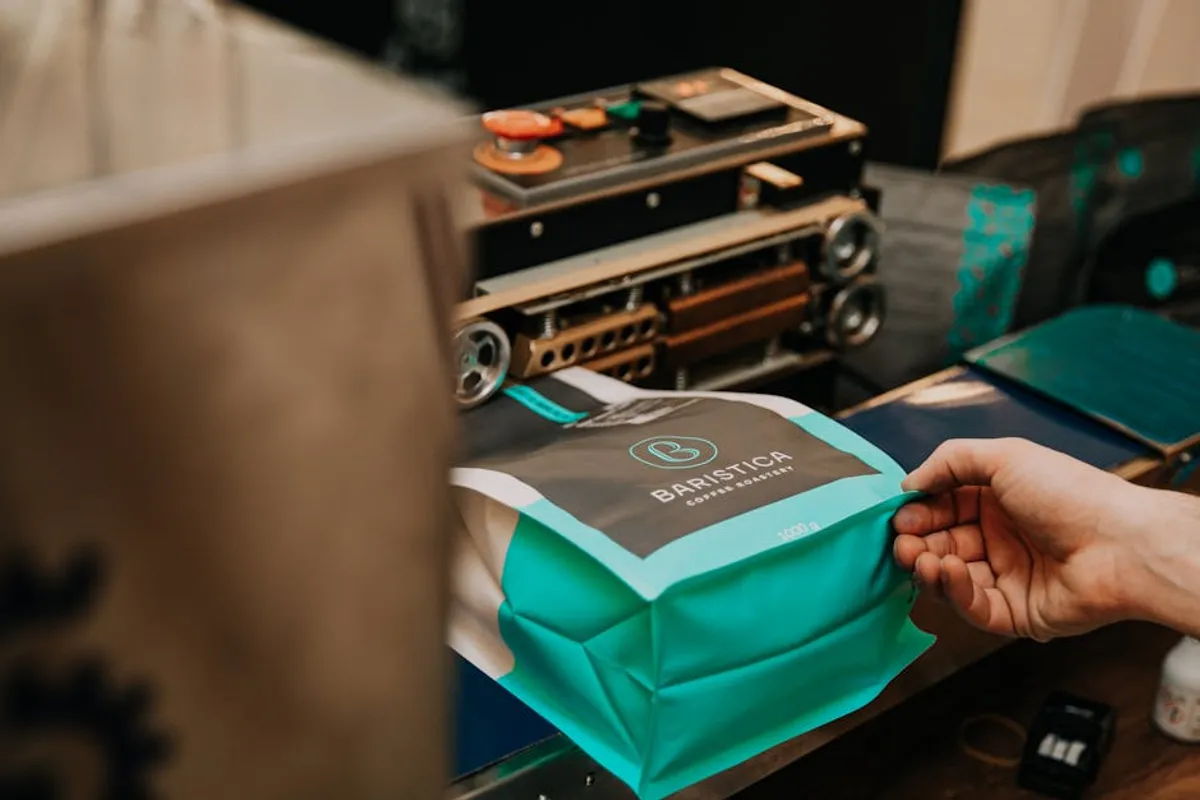
9. Stand-Up Pouches
Stand-up pouches (SUPs) are flexible packaging bags designed with a gusseted bottom, allowing them to stand upright on shelves. They are typically made from multi-layer films, providing excellent barrier properties against moisture, oxygen, and light, which is crucial for preserving product freshness and extending shelf life. SUPs often feature reclosable zippers or spouts.
Best For: Food products (coffee, snacks, spices), pet treats, powders, liquids, small craft items, or any product benefiting from extended shelf life, portion control, and retail-ready presentation.
Pros:
- Excellent barrier properties protect contents from external elements, preserving freshness and quality.
- Stand-up design offers strong retail appeal and efficient shelf display.
- Often includes reclosable features (zippers, spouts) for convenience and extended product use.
- Lightweight and flexible, reducing shipping costs compared to rigid containers.
- Offers ample surface area for vibrant, high-quality custom printing and branding.
Cons:
- Higher unit cost than basic poly bags due to multi-layer construction and specialized features.
- Requires specialized filling and sealing equipment for high-volume operations.
- While durable, they offer less crush protection than rigid containers for very fragile items.
- Multi-layer construction can make recycling challenging, depending on the specific film combination.
Verdict: A premium, functional packaging choice for products requiring robust barrier protection and an attractive, consumer-friendly presentation, particularly for food and small granular goods.
10. Insulated Mailers
Insulated mailers are specialized bags designed to maintain a consistent internal temperature for temperature-sensitive products during transit. They typically consist of an outer layer (poly or kraft) and an inner layer of insulating material, such as bubble wrap with metallic film, foam, or natural fibers. Often used in conjunction with gel packs or dry ice, they are critical for preserving product integrity.
Best For: Perishable food items, pharmaceuticals, cosmetics, chocolates, or any product requiring temperature control to prevent spoilage, melting, or degradation during shipping.
Pros:
- Effectively maintains internal temperature, preserving product quality and preventing spoilage.
- Protects temperature-sensitive goods from extreme heat or cold during transit.
- Available in various sizes and insulation levels to match specific product requirements and transit times.
- Can be combined with refrigerants (gel packs) for extended temperature control.
- Often lightweight compared to insulated boxes, helping to manage shipping costs.
Cons:
- Significantly higher unit cost than standard mailers due to specialized materials.
- Requires careful planning regarding insulation duration, ambient temperatures, and refrigerant use.
- Adds bulk and potentially weight, which can increase shipping expenses.
- Environmental concerns regarding the disposal of some insulation materials (e.g., foam).
- Less flexible for custom branding compared to standard mailers.
Verdict: An essential, albeit more costly, solution for ecommerce sellers dealing with perishable or temperature-sensitive products, ensuring product integrity and customer satisfaction upon delivery.
11. Reusable Product Bags
Reusable product bags, such as non-woven polypropylene totes or cotton drawstring bags, are designed to be kept and reused by the customer after the initial product delivery. They serve as a premium packaging option, offering a sustainable alternative and an extended branding opportunity. These bags often feature durable construction and high-quality printing, enhancing the perceived value of the purchase.
Best For: High-end fashion, luxury goods, gift sets, subscription boxes, or brands aiming to provide a premium unboxing experience and promote long-term brand engagement through a useful, reusable item.
Pros:
- Offers a premium unboxing experience, significantly enhancing perceived product value.
- Provides a lasting branding opportunity as customers reuse the bag, acting as mobile advertising.
- Aligns with sustainability goals by reducing single-use packaging waste.
- Durable construction provides excellent protection for products during initial transit.
- Versatile for various product types, from apparel to small accessories.
Cons:
- Significantly higher unit cost than disposable packaging options.
- Adds weight and bulk to the shipment, potentially increasing shipping costs.
- Requires careful consideration of design and quality to ensure actual reuse by customers.
- May not be suitable for all product types or budget-conscious sellers.
Verdict: A strategic investment for brands focused on luxury, sustainability, and long-term customer engagement, transforming packaging from a disposable item into a functional brand asset.
12. Drawstring Pouches
Drawstring pouches are small, flexible bags typically made from materials like cotton, velvet, organza, or burlap. They feature a drawstring closure that cinches the top of the pouch, securing its contents. These pouches are primarily used for presenting small, delicate, or premium items, adding a touch of elegance and protection within a larger shipping package.
Best For: Jewelry, small accessories, cosmetics samples, gift cards, wedding favors, small craft items, or any tiny product where presentation and a soft, protective layer are desired.
Pros:
- Adds a premium, elegant touch to small products, enhancing the unboxing experience.
- Provides a soft, protective layer against scratches and minor impacts for delicate items.
- Reusable by the customer, offering a sustainable element and an extended branding opportunity.
- Available in a wide range of materials, colors, and sizes to match brand aesthetics.
- Can be easily customized with logos or branding for a personalized touch.
Cons: