
Selecting the right retail bags for a small shop extends beyond mere packaging; it is an integral part of the customer experience, brand identity, and operational efficiency. For independent retailers, every touchpoint matters, and the bag a customer carries out the door serves as a mobile advertisement, a statement of values, and a final impression of their purchase. The decision involves balancing cost-effectiveness with aesthetic appeal, environmental responsibility, and practical functionality for diverse product lines.
The choice of retail bag directly influences perceived value and customer loyalty. A well-chosen bag reinforces brand messaging, whether that emphasizes luxury, sustainability, or affordability. Conversely, a poorly selected bag can detract from the shopping experience, leading to wasted resources or a missed branding opportunity. This guide explores various retail bag ideas, detailing their specific applications, advantages, and drawbacks, to help small shop owners make informed decisions that align with their business objectives and customer expectations.
Key Considerations for Small Shop Retail Bags
Before committing to a specific bag type, small shop owners should evaluate several factors to ensure the chosen solution aligns with their business model and customer base. These considerations impact cost, brand perception, and operational logistics:
- Brand Alignment and Aesthetic: Does the bag's material, color, and finish reflect your brand's unique identity? A luxury boutique requires a different bag presentation than a casual gift shop or a sustainable goods store. Consistency in branding, from product to packaging, builds recognition.
- Product Protection and Size Versatility: Consider the range of products sold. Fragile items require more robust packaging, while apparel might need larger, more flexible bags. A single bag type may not suffice for all items, necessitating a small range of sizes or materials.
- Budget Constraints: Bag costs vary significantly by material, customization, and order volume. Small shops often operate with tighter margins, making unit cost a critical factor. Balance initial investment with long-term brand benefits and customer satisfaction.
- Environmental Impact and Customer Values: With increasing consumer awareness, sustainable packaging is a strong differentiator. Options like recycled content, biodegradability, or reusability resonate with environmentally conscious customers and can enhance brand reputation.
- Durability and Reusability: A durable bag that customers can reuse extends your brand's visibility beyond the initial purchase. This offers added value to the customer and acts as ongoing, free marketing.
- Customization Options: The ability to print logos, store information, or custom designs transforms a simple bag into a powerful marketing tool. Evaluate the cost and minimum order quantities for custom printing on different bag materials.
- Storage and Inventory Management: Bulkier bag options or those requiring specific storage conditions can impact valuable retail or backroom space. Consider the ease of storage and handling for your staff.
1. Kraft Paper Bags
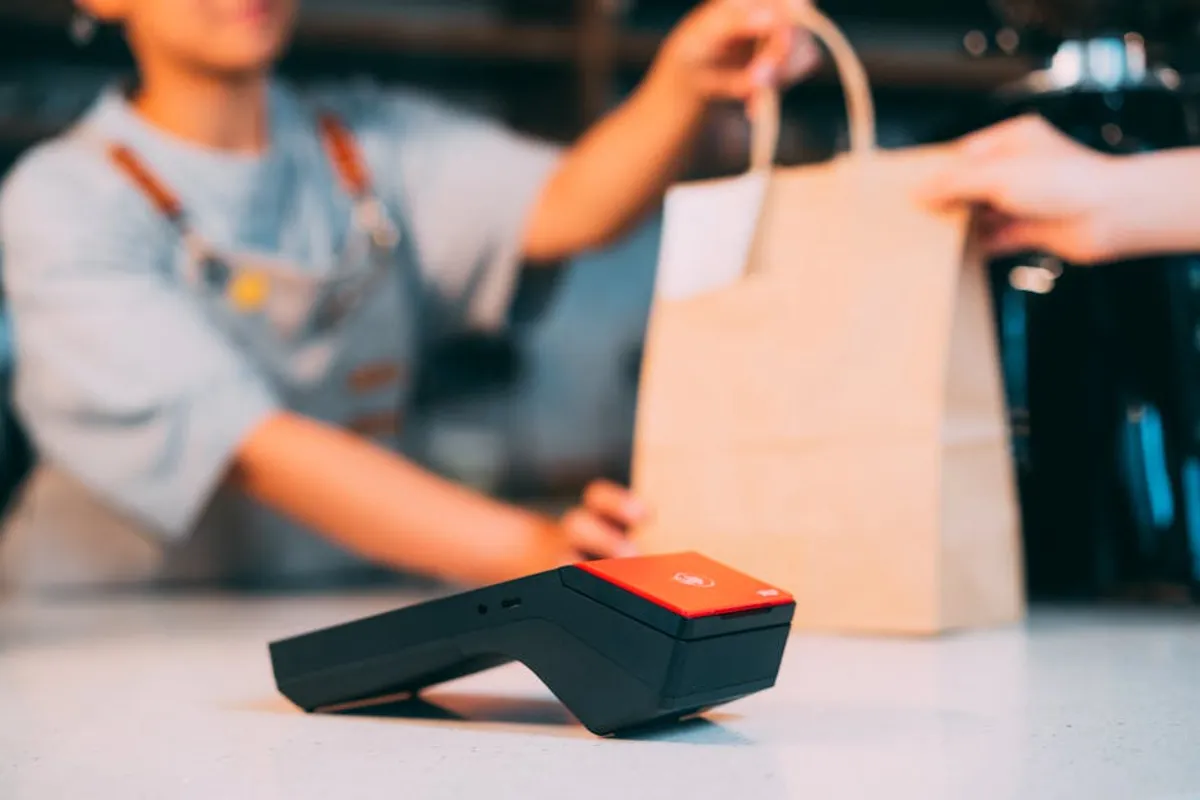
Kraft paper bags are a ubiquitous and versatile option, particularly favored by small shops for their natural aesthetic and cost-effectiveness. Made from wood pulp, these bags are known for their strength relative to their weight. They come in various thicknesses and finishes, from standard brown to bleached white, and can feature twisted paper handles or flat paper handles. Their inherent simplicity makes them a blank canvas for branding through stamping, stickers, or custom printing. For businesses seeking a classic and affordable solution, kraft paper bags offer a versatile and branded choice.
Best for: General retail, gift shops, bookstores, apparel boutiques, and businesses prioritizing an eco-friendly image or natural aesthetic without significant budget outlays for packaging. Ideal for non-fragile items.
Pros:
- Cost-Effective: Generally one of the most affordable options, especially for bulk orders.
- Recyclable and Biodegradable: Appeals to environmentally conscious consumers and aligns with sustainability initiatives.
- Versatile Branding: Easily customizable with stamps, stickers, or printing, allowing for strong brand reinforcement.
- Lightweight yet Durable: Sufficiently strong for most retail items without adding significant weight.
- Natural Aesthetic: The classic brown kraft look conveys an organic, artisanal, or rustic brand image.
Cons:
- Limited Water Resistance: Susceptible to damage from moisture, which can compromise contents.
- Less Perceived Luxury: May not convey a high-end or premium image without significant customization or thicker stock.
- Handle Durability: Paper handles can sometimes tear or detach with heavy loads or rough handling.
- Less Reusable by Customers: While recyclable, they are often not robust enough for repeated customer reuse, limiting long-term brand exposure.
Verdict: Kraft paper bags offer a practical, budget-friendly, and environmentally responsible choice for many small retailers. Their adaptability for branding makes them a solid default, provided the product's fragility or luxury positioning does not demand a more protective or premium alternative.
2. Cotton Canvas Totes
Cotton canvas totes represent a premium, reusable retail bag solution that significantly enhances brand visibility and customer loyalty. Constructed from durable, woven cotton fabric, these bags are designed for repeated use, serving as a walking advertisement for your brand long after the initial purchase. They offer a substantial feel and a sophisticated, natural look, often becoming a cherished item for customers. Customization through screen printing, embroidery, or heat transfer allows for detailed and vibrant branding.
Best for: Upscale boutiques, artisanal goods, bookstores, sustainable brands, fashion retailers, and businesses aiming to offer a high-value, reusable item that reinforces brand identity and commitment to sustainability.
Pros:
- High Reusability: Customers frequently reuse these bags, providing extended brand exposure and marketing.
- Perceived Value: Offers a premium feel, elevating the customer experience and brand image.
- Durability: Strong enough to carry heavy or bulky items, protecting contents effectively.
- Eco-Friendly: A sustainable option, especially when made from organic or recycled cotton, aligning with green initiatives.
- Excellent Branding Platform: Large surface area for complex logos, artwork, and messaging, often becoming a fashion accessory.
Cons:
- Higher Unit Cost: Significantly more expensive than paper or basic plastic bags, impacting profit margins if given away freely.
- Bulkier Storage: Requires more storage space than disposable bag alternatives.
- Limited Water Resistance: While durable, cotton is not waterproof and can absorb moisture, potentially affecting contents in wet conditions.
- Production Lead Times: Custom orders can have longer lead times compared to off-the-shelf options.
Verdict: Cotton canvas totes are a strategic investment for small shops seeking to differentiate through quality, sustainability, and long-term brand promotion. Their higher cost is offset by their marketing value and ability to foster customer loyalty, making them ideal for brands with a clear premium or eco-conscious positioning.
3. Non-Woven Polypropylene Bags
Non-woven polypropylene (NWPP) bags are a popular choice for their balance of durability, reusability, and cost-effectiveness compared to natural fiber totes. Made from spun-bonded polypropylene plastic fibers, they are lightweight, water-resistant, and can be produced in a wide array of colors. Their machine-washable nature and robust construction make them a practical option for customers seeking a versatile, everyday reusable bag. Branding is typically achieved through screen printing or heat transfer, allowing for vibrant designs.
Best for: Grocery stores, pharmacies, general merchandise shops, event giveaways, and any small business looking for a durable, water-resistant, and reusable bag that offers good value and broad appeal.
Pros:
- Durable and Reusable: Designed for multiple uses, providing extended brand exposure.
- Water-Resistant: Protects contents from light moisture, a significant advantage over paper or cotton.
- Cost-Effective for Reusables: More affordable than canvas totes while still offering strong reusability.
- Variety of Colors: Available in many stock colors, simplifying branding efforts and reducing custom print costs.
- Easy to Clean: Many NWPP bags are machine washable, increasing their practicality for customers.
Cons:
- Perceived as Less Premium: While practical, they may not convey the same level of luxury or artisanal quality as cotton or specialty paper bags.
- Environmental Concerns: Made from plastic, they are not biodegradable, though they are recyclable in some areas and their reusability reduces single-use waste.
- Limited Breathability: Not ideal for products that require airflow.
- Customization Limitations: While printable, intricate designs or full-color photographic prints can be more challenging or costly than on paper.
Verdict: NWPP bags offer an excellent compromise between cost, durability, and reusability, making them a strong contender for small shops that need a practical, water-resistant bag solution for everyday items. They serve well as a branded giveaway or a low-cost item for purchase, extending brand reach efficiently.
4. Recycled Plastic Bags
Recycled plastic bags, typically made from post-consumer or post-industrial waste, offer an environmentally conscious alternative to virgin plastic bags. These bags maintain the lightweight, water-resistant, and durable properties of traditional plastic but mitigate some environmental impact by repurposing existing materials. They are a practical choice for businesses operating in areas with plastic bag bans or those wanting to signal their commitment to circular economy principles. Customization is straightforward with standard printing techniques.
Best for: Convenience stores, dry cleaning services, small grocery outlets, and businesses seeking a lightweight, water-resistant, and cost-effective bag solution while demonstrating environmental responsibility through material sourcing.
Pros:
- Environmental Credibility: Utilizes recycled content, reducing demand for new plastic and diverting waste from landfills.
- Lightweight and Compact: Easy to store and handle, minimizing shipping costs and storage space.
- Water-Resistant: Protects contents from moisture, an essential feature for many retail items.
- Cost-Effective: Often comparable in price to virgin plastic bags, making them budget-friendly.
- Recyclable (in some streams): Can be recycled again where facilities exist, contributing to a circular economy.
Cons:
- Public Perception: Despite being recycled, they still carry the stigma associated with plastic bags for some consumers.
- Limited Aesthetic Appeal: May not convey a premium image; the recycled content can sometimes result in slight color variations or a less pristine finish.
- Durability Varies: Quality and strength can vary depending on the percentage and type of recycled content.
- Not Biodegradable: While recycled, they do not naturally break down in the environment.
Verdict: Recycled plastic bags are a pragmatic choice for small shops needing a functional, cost-effective, and water-resistant bag that also addresses environmental concerns. They are best suited for businesses where practicality and responsible material use outweigh the need for a high-end aesthetic.
5. Paperboard Gift Bags
Paperboard gift bags, often referred to as Eurototes, are characterized by their rigid construction, reinforced bottoms, and rope or ribbon handles. Made from thick paperboard, these bags exude a sense of quality and luxury, making them ideal for high-value purchases or gift packaging. They offer excellent structural integrity, protecting contents and presenting them elegantly. Customization options are extensive, including matte or gloss laminations, foil stamping, embossing, and full-color printing, allowing for sophisticated branding.
Best for: Jewelry stores, high-end boutiques, specialty gift shops, cosmetic retailers, and businesses selling delicate or premium items where presentation is paramount and contributes significantly to the customer experience.
Pros:
- Premium Presentation: Conveys luxury and sophistication, enhancing the perceived value of products.
- Durability and Protection: Rigid construction and reinforced features provide superior protection for contents.
- Reusable by Customers: Often kept and reused by customers due to their quality, extending brand exposure.
- Extensive Customization: Supports a wide range of finishes and printing techniques for unique, high-impact branding.
- Strong Handles: Rope or ribbon handles are comfortable and less prone to tearing than standard paper handles.
Cons:
- High Unit Cost: Among the most expensive retail bag options, impacting margins significantly.
- Bulkier Storage: Their rigid structure requires more storage space compared to flexible bags.
- Less Eco-Friendly (typically): Often feature laminations or non-paper handles that complicate recycling.
- Minimum Order Quantities: Customization typically requires higher minimum order volumes, which can be challenging for very small shops.
Verdict: Paperboard gift bags are an essential choice for small shops where product presentation is a core part of the brand promise and customer experience. While a significant investment, their ability to elevate perceived value and provide a memorable unboxing experience justifies the cost for luxury or specialty retailers.
6. Jute Bags
Jute bags, crafted from the natural fibers of the jute plant, offer a rustic, organic, and exceptionally durable packaging solution. Known for their coarse texture and earthy appearance, these bags are a strong statement of sustainability and natural craftsmanship. Jute is a rapidly renewable resource, and the bags are biodegradable, making them highly attractive to environmentally conscious consumers. They are robust enough for heavy items and often feature comfortable, reinforced handles. Branding is typically achieved through screen printing, which complements their natural aesthetic.
Best for: Organic food stores, artisanal markets, sustainable fashion brands, handcrafted goods, and businesses that want to strongly emphasize natural materials, eco-friendliness, and a rustic or bohemian brand image.
Pros:
- Highly Sustainable: Made from a rapidly renewable, biodegradable, and compostable natural fiber.
- Exceptional Durability: Extremely strong and capable of carrying heavy loads, ensuring product safety.
- High Reusability: Customers often reuse jute bags for groceries or everyday errands, offering continuous brand exposure.
- Unique Aesthetic: The natural, coarse texture provides a distinct, authentic, and eco-conscious look.
- Good Insulation Properties: Can offer some natural insulation for certain products.
Cons:
- Higher Unit Cost: Generally more expensive than paper or NWPP bags, though often less than canvas.
- Limited Fine Detail Printing: The coarse texture can make intricate or fine-detail printing challenging.
- Bulkier Storage: Requires more storage space due to their robust construction.
- Less Water-Resistant: Like cotton, jute absorbs water, making it unsuitable for protecting contents from moisture.
- Initial Odor: Some natural jute bags may have a slight earthy odor initially, which dissipates over time.
Verdict: Jute bags are an impactful choice for small shops committed to sustainability and desiring a distinctive, natural aesthetic. Their durability and reusability provide excellent long-term brand visibility, positioning them as a premium eco-friendly option despite a higher initial investment.
7. Clear Plastic Garment Bags
Clear plastic garment bags are a specialized packaging solution designed primarily for apparel and textiles. Made from polyethylene or polypropylene film, these bags offer transparency, allowing customers to see the product while protecting it from dust, moisture, and wrinkles. They are particularly useful for items that need to remain pristine, such as formal wear, delicate fabrics, or freshly pressed garments. While not typically branded with elaborate designs, a simple logo or care instructions can be printed on them.
Best for: Clothing boutiques, dry cleaners, bridal shops, tailor services, and any small business selling apparel that requires protection from environmental elements and needs to maintain a crisp, clean presentation.
Pros:
- Product Visibility: Allows customers to see the garment clearly, which is beneficial for presentation and verification.
- Protection: Shields clothing from dust, dirt, moisture, and wrinkles, preserving its condition.
- Lightweight and Compact: Easy to store and handle, taking up minimal space.
- Cost-Effective: Generally inexpensive, especially for standard sizes and unprinted options.
- Hygienic: Provides a clean barrier for garments, particularly important for tried-on items or those handled by staff.
Cons:
- Limited Branding Opportunity: Primarily functional, with minimal space or aesthetic appeal for extensive branding.
- Environmental Concerns: Typically single-use plastic, contributing to waste unless specifically made from recycled content or designed for reuse.
- Less Perceived Value: Does not convey a premium or luxurious feel on its own; often used as an internal protective layer.
- Fragile: Can tear easily if overstuffed or caught on sharp objects.
Verdict: Clear plastic garment bags are a highly practical and cost-effective solution for apparel retailers focused on product protection and presentation without extensive branding. They serve a specific functional need, best used in conjunction with a branded outer bag for a complete customer experience.
8. Reusable Produce Bags (Mesh/Net)
Reusable produce bags, typically made from lightweight mesh or net materials like cotton, polyester, or nylon, are designed for bulk items, fruits, and vegetables. While not traditional retail bags for carrying an entire purchase, they are an excellent option for small shops that sell unpackaged goods, bulk foods, or farmers' market-style produce. Offering these bags for sale or as a thoughtful add-on promotes sustainability and provides a practical solution for customers. They are highly breathable, washable, and durable. These bags are a great example of eco-friendly packaging options that align with a sustainable business model.
Best for: Zero-waste stores, organic grocers, bulk food shops, farmers' market vendors, and businesses focusing on unpackaged goods, seeking to reduce plastic waste and provide a functional, eco-friendly accessory to customers.
Pros:
- Highly Sustainable: Eliminates the need for single-use plastic produce bags, appealing to eco-conscious consumers.
- Breathable: Allows air circulation, keeping produce fresh longer.
- Lightweight and Compact: Easy for customers to carry and store, often folding into a small pouch.
- Washable: Can be easily cleaned and reused repeatedly.
- Brand Alignment: Strongly reinforces a brand's commitment to sustainability and healthy living.
Cons:
- Not a Primary Retail Bag: Functions as an internal bag for specific items, not for an entire shopping trip.
- Limited Branding: Small surface area and mesh material make extensive branding challenging; typically a small tag or simple logo.
- Product Visibility: While contents are visible, the mesh can obscure some details.
- Perceived Value: Primarily functional; not a luxury item, though its utility is highly valued by its target audience.
Verdict: Reusable produce bags are a niche but highly effective offering for small shops specializing in unpackaged or bulk goods. They demonstrate a strong commitment to sustainability and provide a practical, valued solution for customers, enhancing the overall eco-friendly brand image.
9. Insulated Cooler Bags
Insulated cooler bags are a specialized retail bag option for shops selling temperature-sensitive products. Constructed with an inner insulating layer (often foil or foam) and an outer durable fabric like NWPP or polyester, these bags maintain product temperature for a limited time. They are particularly valuable for preserving the quality of perishable goods during customer transport. Offering these as a premium purchase or for specific high-value items enhances customer satisfaction and reduces spoilage risk. Customization typically involves printing on the outer surface.
Best for: Specialty food shops, bakeries with frozen items, gourmet cheese stores, delis, seafood markets, and businesses selling temperature-sensitive products where maintaining freshness during transit is critical for customer satisfaction.
Pros:
- Maintains Temperature: Essential for perishable goods, ensuring product quality and customer satisfaction.
- High Perceived Value: Customers appreciate the added functionality and care for their purchases.
- Durable and Reusable: Designed for multiple uses, providing extended brand exposure for the shop.
- Protective: Offers a degree of physical protection for contents in addition to temperature control.
- Strong Branding Opportunity: Often used repeatedly by customers, serving as a mobile advertisement.
Cons:
- Higher Unit Cost: Significantly more expensive than standard bags due to specialized materials and construction.
- Bulky Storage: Their insulated structure makes them less compact than other bag types, requiring more storage space.
- Limited General Use: Primarily for temperature-sensitive items, not a universal bag for all purchases.
- Weight: Can be heavier than other bag options, adding to carrying burden for customers.
Verdict: Insulated cooler bags are a strategic, value-added offering for small shops dealing with perishable goods. While a higher investment, they directly address a critical customer need, enhance product integrity, and foster loyalty, justifying their cost for relevant businesses.
10. Drawstring Pouches (Fabric/Muslin)
Drawstring pouches, typically made from natural fabrics like cotton muslin, linen, or jute, offer a charming, eco-friendly, and versatile packaging solution for smaller, delicate, or high-value items. These soft, breathable bags provide a rustic or artisanal aesthetic and can be reused by customers for various purposes. They are excellent for protecting items from scratches, dust, and general wear, and their drawstring closure offers a secure yet easy-to-open package. Branding can be applied through screen printing, stamping, or embroidered tags.
Best for: Jewelry stores, cosmetic shops, artisanal soap makers, small gift items, confections, and businesses that prioritize a delicate, natural, or handcrafted