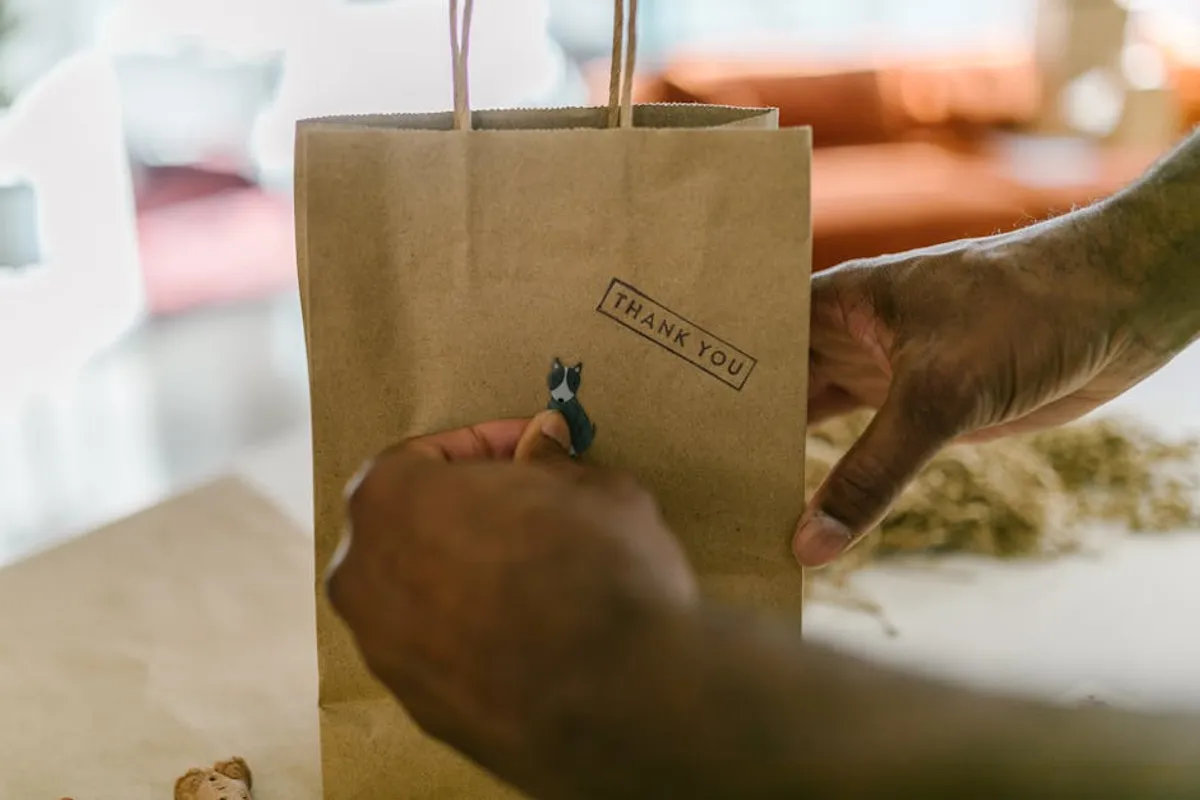
For businesses, a branded bag transcends mere packaging; it functions as a mobile advertisement, a statement of quality, and a tangible touchpoint for customers. Selecting the right branded bag involves more than just slapping a logo on a generic carrier. It requires a strategic assessment of your brand identity, target audience, budget, and sustainability goals to ensure the final product reinforces your message and delivers practical utility.
Establishing Your Branded Bag's Core Purpose
Before evaluating materials or print methods, define the primary function of your branded bags. This clarity guides subsequent decisions, preventing misaligned investments. A bag intended for a luxury retail purchase demands different specifications than one used for a trade show giveaway or a grocery delivery service.
- Retail Packaging: Focus on aesthetic appeal, durability for product protection, and a premium feel if aligning with high-value goods. Consider handle comfort and overall presentation as part of the unboxing experience.
- Event or Promotional Giveaways: Prioritize lightweight design, cost-effectiveness for bulk orders, and prominent brand visibility. The bag’s primary role is to carry literature or small items while maximizing brand exposure.
- E-commerce Shipping/Delivery: Emphasize robust construction, tamper-evident features, and efficient packing. The aesthetic might be secondary to protective function and logistical ease.
- Reusable Shopping Bags: Durability, washability, and a strong visual identity are paramount. The goal is long-term brand exposure through repeated customer use.
Material Selection: Balancing Aesthetics, Durability, and Cost
The material choice significantly impacts the bag's perceived value, environmental footprint, and cost per unit. Each material offers a distinct set of characteristics.
Paper Bags
Kraft Paper: Offers a natural, rustic aesthetic, often associated with eco-friendliness. Available in various weights and colors (natural brown, white).
Best for: General retail, lightweight items, food service, brands aiming for an organic or sustainable image.
Considerations: Lower wet strength, can tear with heavy or sharp items. Recycled content options are common.
Coated Paper (Art Paper): Provides a smooth surface ideal for high-quality, vibrant printing and intricate designs. Often finished with matte or gloss lamination for added durability and a premium feel.
Best for: Luxury retail, fashion, jewelry, cosmetics, where visual presentation is critical.
Considerations: Higher cost, lamination impacts recyclability unless specific biodegradable laminates are used.
Plastic Bags
HDPE (High-Density Polyethylene): Common, crinkly feel, strong for its weight. Often used for grocery or general merchandise.
Best for: Cost-effective, high-volume needs, general retail.
Considerations: Can be made with recycled content; check local recycling infrastructure for disposal. Often perceived as less premium than paper or fabric options.
LDPE (Low-Density Polyethylene): Softer, clearer, and more pliable than HDPE. Offers a smoother surface for printing.
Best for: Apparel, promotional items, where a slightly more upscale plastic option is desired.
Considerations: Similar recycling considerations to HDPE, but offers a better print surface and feel.
Fabric and Reusable Bags
Non-Woven Polypropylene (NWPP): Durable, water-resistant, and cost-effective for reusable bags. Offers good printability.
Best for: Promotional giveaways, reusable shopping bags, grocery stores, events.
Considerations: Not biodegradable, but can be recycled in some facilities. Offers a structured, modern look.
Cotton/Canvas: Natural fiber, highly durable, and washable. Conveys a premium, sustainable, and long-lasting impression.
Best for: High-end retail, fashion, promotional items intended for repeated, long-term use.
Considerations: Higher cost, can shrink if not pre-shrunk, requires more resources to produce than NWPP. Organic cotton options are available.
Jute/Burlap: Rougher texture, very strong, and biodegradable. Projects an earthy, natural, or artisanal image.
Best for: Specialty food, eco-conscious brands, craft fairs, agricultural products.
Considerations: Limited print detail due to coarse texture, higher cost than basic paper or plastic.
Customization and Branding Elements
Beyond the material, the methods of applying your brand significantly influence the final product's impact.
Printing Techniques
Screen Printing: Ideal for solid colors and simple logos. Cost-effective for larger quantities. Provides a vibrant, opaque finish.
Best for: Fabric bags, NWPP, paper bags with 1-3 spot colors.
Digital Printing: Excellent for complex designs, gradients, and photographic images. Suitable for smaller runs due to lower setup costs.
Best for: Short runs of paper bags, designs requiring full-color reproduction.
Hot Stamping/Foil Printing: Applies metallic or pigmented foil to the surface, creating a luxurious, reflective effect.
Best for: Premium paper bags, luxury brands, special editions.
Embossing/Debossing: Creates a raised (embossing) or recessed (debossing) three-dimensional effect without ink. Adds a tactile, sophisticated element.
Best for: High-end paper bags, leatherette, or specialty materials for subtle branding.
Handle Types
Handles are functional and contribute to the bag's overall feel. Options range from twisted paper and flat paper handles for standard retail bags, to rope handles for a more upscale look, or die-cut handles for a minimalist design. Fabric bags often feature self-material handles or webbing for durability and comfort.
Pro Tip: Always request physical samples of materials and print proofs before committing to a full production run. Digital mock-ups can misrepresent color accuracy and texture, leading to costly discrepancies in final product appearance and brand representation.
Logistics: Quantity, Lead Times, and Storage
Understanding the operational aspects of ordering branded bags is crucial for timely delivery and budget management.
Minimum Order Quantities (MOQs): Suppliers typically have MOQs that vary by material, customization, and bag size. Smaller runs often incur higher per-unit costs. Plan your order volume to balance cost-efficiency with storage capacity and anticipated usage.
Production Lead Times: Custom branded bags require production time, which can range from a few weeks for simpler designs to several months for highly customized or internationally sourced orders. Factor in design approval, proofing, manufacturing, and shipping when setting project timelines.
Storage: Consider where you will store bulk quantities of bags. They can occupy significant space. Evaluate storage conditions to prevent damage from moisture, pests, or excessive heat.
Optimizing Your Branded Bag Investment
Making an informed decision about branded bags means aligning every choice with your brand's strategic objectives. Prioritize durability for items intended for repeated use, and opt for high-quality printing for brand consistency. Evaluate the environmental impact of materials and manufacturing processes if sustainability is a core brand value. By methodically addressing these elements, businesses can select branded bags that not only serve a practical purpose but also effectively extend their brand presence and enhance customer perception.
Frequently Asked Questions
What is the typical lead time for custom branded bags?
Lead times vary significantly based on material, complexity of customization, and order volume. Standard paper or plastic bag orders with basic printing might take 3-6 weeks, while complex fabric bags or specialty designs can require 8-16 weeks, especially for overseas production.
How do I choose the right size for my branded bags?
Assess the typical dimensions and weight of the products or items your customers will carry. A bag should comfortably accommodate contents without being excessively large, which wastes material, or too small, which renders it impractical. Consider a range of sizes if your product line is diverse.
Are eco-friendly branded bag options significantly more expensive?
While some eco-friendly materials like organic cotton or certain biodegradable plastics might have a higher per-unit cost than conventional options, the price gap has narrowed. Furthermore, the perceived value and positive brand association from using sustainable materials can offset the increased initial investment, appealing to environmentally conscious consumers.
Can I order a small quantity of custom branded bags?
Yes, many suppliers offer lower minimum order quantities (MOQs) for digital printing on paper bags or for certain types of fabric bags. However, ordering smaller quantities typically results in a higher per-unit cost compared to bulk orders due to fixed setup fees and less efficient production runs.