
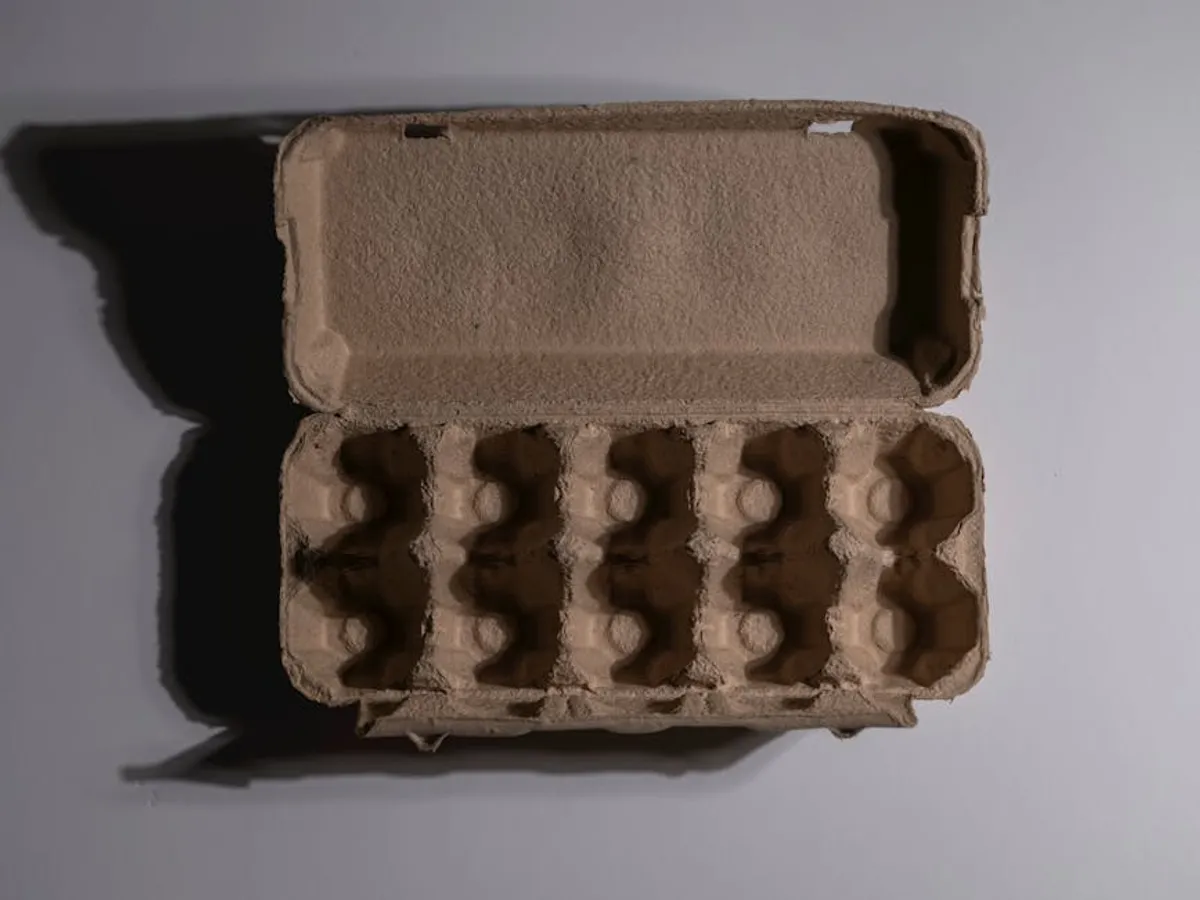
Businesses increasingly consider compostable packaging as a strategic move to align with evolving consumer preferences, regulatory shifts, and corporate sustainability goals. The transition from traditional materials to compostable alternatives involves navigating a complex landscape of material science, certification standards, supply chain logistics, and end-of-life considerations. This guide outlines the essential factors businesses must evaluate to make informed purchasing decisions, ensuring their packaging choices genuinely support environmental objectives and operational realities.
Understanding Compostable Packaging Standards
True compostability is not a subjective claim; it is defined by rigorous scientific standards that dictate how materials break down in specific environments. For businesses, understanding these certifications is critical for avoiding greenwashing and ensuring compliance.
- Industrial Composting Standards: These are the most common certifications.
- ASTM D6400 (North America): Specifies requirements for plastics designed to be composted in municipal or industrial aerobic composting facilities. It covers disintegration (physical breakdown), biodegradation (conversion to CO2, water, and biomass), and ecotoxicity (no harmful residues).
- EN 13432 (Europe): Similar to ASTM D6400, this standard requires materials to biodegrade by at least 90% within six months and disintegrate by 90% within 12 weeks in an industrial composting facility. It also includes heavy metal content limits and plant toxicity tests.
- ISO 17088 (International): Provides general requirements for plastic materials suitable for composting.
- Home Composting Standards: These are more stringent due to lower, less consistent temperatures and microbial activity in backyard compost piles.
- TÜV Austria OK Compost HOME: One of the most recognized certifications, indicating a product will break down safely in a home compost environment.
- AS 5810 (Australia): An Australian standard specifically for home compostable plastics.
For businesses, verifying these certifications with third-party logos (e.g., BPI, Seedling, OK Compost) on supplier documentation is non-negotiable. Without proper certification, packaging labeled "biodegradable" or "eco-friendly" may not break down as intended, potentially harming your brand reputation and contributing to landfill waste.
Key Material Types and Their Applications
Compostable packaging is not a single material but a category encompassing various polymers and natural fibers. Each has distinct properties, benefits, and limitations for specific product applications.
PLA (Polylactic Acid)
PLA is a bioplastic derived from renewable resources like corn starch or sugarcane. It is transparent, rigid, and has good barrier properties against moisture and oxygen, making it suitable for many food and retail applications.
- Best for: Cold beverage cups, clear containers, produce bags, blister packaging, food service ware.
- Limitations: Not suitable for hot liquids (softens above 110°F/43°C), requires industrial composting facilities, can be brittle.
PHA (Polyhydroxyalkanoates)
PHA is a biopolymer produced by bacteria, offering a broader range of properties than PLA. It is known for its flexibility and resistance to moisture, and some forms are certified for home composting and even marine biodegradation.
- Best for: Flexible films, cosmetic packaging, food wrappers, thicker containers, applications requiring higher heat resistance than PLA.
- Limitations: Higher cost than PLA, less widely available, can have variable mechanical properties depending on the specific PHA blend.
Cellulose-based Materials
This category includes paper, cardboard, and molded fiber products, often coated or lined with compostable bioplastics to enhance barrier properties. They are derived from wood pulp and are generally well-understood by consumers.
- Best for: Shipping boxes, takeaway containers, coffee cups (with compostable lining), egg cartons, protective inserts, dry food packaging.
- Limitations: Coatings must also be certified compostable; can degrade rapidly if exposed to moisture without proper lining; fiber sourcing impacts sustainability.
Starch-based Materials
Derived from corn, potato, or tapioca starch, these materials are often blended with other biopolymers to create various packaging forms. They are generally opaque and can be molded or extruded.
- Best for: Loose-fill packaging peanuts, molded trays, some cutlery, thin films.
- Limitations: Limited barrier properties, can be sensitive to moisture, often require industrial composting.
Assessing Your Business Needs and Supply Chain
Before committing to a compostable packaging solution, a thorough internal assessment is essential to ensure operational viability and environmental effectiveness.
Product Compatibility
Evaluate the specific requirements of your product. Consider factors such as weight, fragility, temperature sensitivity, moisture content, and shelf life. A compostable film suitable for dry goods may fail for greasy or liquid products.
Shelf Life and Durability
Compostable materials are designed to break down, which means their shelf life and durability might differ from conventional plastics. Test packaging under real-world conditions, including storage, transit, and consumer use, to ensure product integrity is maintained throughout its intended lifecycle.
Local Composting Infrastructure
The effectiveness of compostable packaging hinges on the availability of appropriate composting facilities. Research the industrial and home composting options accessible to your target customers. If local infrastructure is lacking, your "compostable" packaging may still end up in a landfill, undermining your sustainability claims. Clearly communicate disposal instructions to consumers.
Cost Implications
Compostable packaging often carries a higher upfront cost than conventional plastics due to specialized materials and production processes. Factor in not just the per-unit cost, but also potential savings from reduced waste disposal fees, enhanced brand reputation, and increased customer loyalty. A comprehensive cost-benefit analysis is crucial.
Partnering with Suppliers: What to Look For
Selecting the right supplier is as important as choosing the right material. A reliable partner provides more than just packaging; they offer expertise and support.
- Certification Verification: Request copies of all relevant certifications (ASTM D6400, EN 13432, etc.) for the specific materials and finished products. Verify these with the certifying bodies.
- Customization Options: Assess their ability to meet your specific design, branding, and functional requirements. Discuss minimum order quantities (MOQs) and tooling costs for custom molds or prints.
- Technical Support: A strong supplier offers guidance on material selection, product testing, and compliance. They should be able to explain the nuances of different materials and their suitability for your applications.
- Supply Chain Transparency: Inquire about their raw material sourcing, manufacturing processes, and quality control measures. Understand lead times, production capacities, and logistics for delivery.
- End-of-Life Guidance: A good supplier will provide clear instructions for consumers on how to properly dispose of the packaging, including specific composting conditions.
Pro Tip: Always request samples and conduct thorough internal testing under conditions that mimic your product's journey from production to consumer use. This includes temperature fluctuations, humidity, mechanical stress during shipping, and storage duration. Do not rely solely on supplier specifications without verifying performance.
Implementing Compostable Packaging: Practical Steps
Integrating compostable packaging requires more than just a material swap; it involves internal education and external communication.
Internal Communication: Educate your internal teams—from product development and marketing to sales and customer service—on the benefits, limitations, and proper handling of compostable packaging. This ensures consistent messaging and operational understanding.
Consumer Education: Clearly communicate to your customers that the packaging is compostable and how to dispose of it correctly. Use clear labels, website information, and social media to guide them to local composting facilities or home composting methods. Misinformation can lead to improper disposal, negating the environmental benefit.
Waste Stream Management: If your business generates significant packaging waste, assess your own waste management practices. Partner with industrial composting facilities if feasible to ensure your operational waste is also handled responsibly.
Navigating Your Compostable Packaging Purchase
The decision to adopt compostable packaging is a strategic investment in your brand's future and environmental stewardship. By meticulously evaluating material standards, understanding product-specific needs, scrutinizing supplier capabilities, and planning for effective implementation, businesses can confidently navigate the complexities. Prioritize due diligence at every stage, from initial material research to final consumer education, to ensure your compostable packaging delivers on its promise.
Frequently Asked Questions
What is the difference between "biodegradable" and "compostable"?
Biodegradable means a material will break down into natural elements over time, but it doesn't specify the timeframe, environment, or residual toxicity. Compostable, however, means a material will break down into non-toxic components within a specific timeframe under specific conditions (e.g., industrial composting) and will not leave harmful residues.
Will compostable packaging increase my product's shelf life?
Not necessarily. While some compostable materials offer good barrier properties, their primary design goal is breakdown, not indefinite preservation. You must test specific compostable packaging solutions with your product to ensure adequate shelf life and protection against moisture, oxygen, and physical damage.
Can all compostable packaging be home composted?
No. Most compostable packaging requires the higher temperatures and controlled conditions of industrial composting facilities to break down effectively. Only packaging certified for "home composting" (e.g., with the TÜV Austria OK Compost HOME label) is suitable for backyard compost piles.
How do I find industrial composting facilities for my packaging?
Resources like the BioCycle directory, local waste management authority websites, or organizations like the Composting Council Research and Education Foundation (CCREF) can help identify industrial composting facilities in your region or your customers' regions. Always confirm their acceptance criteria for specific compostable materials.