
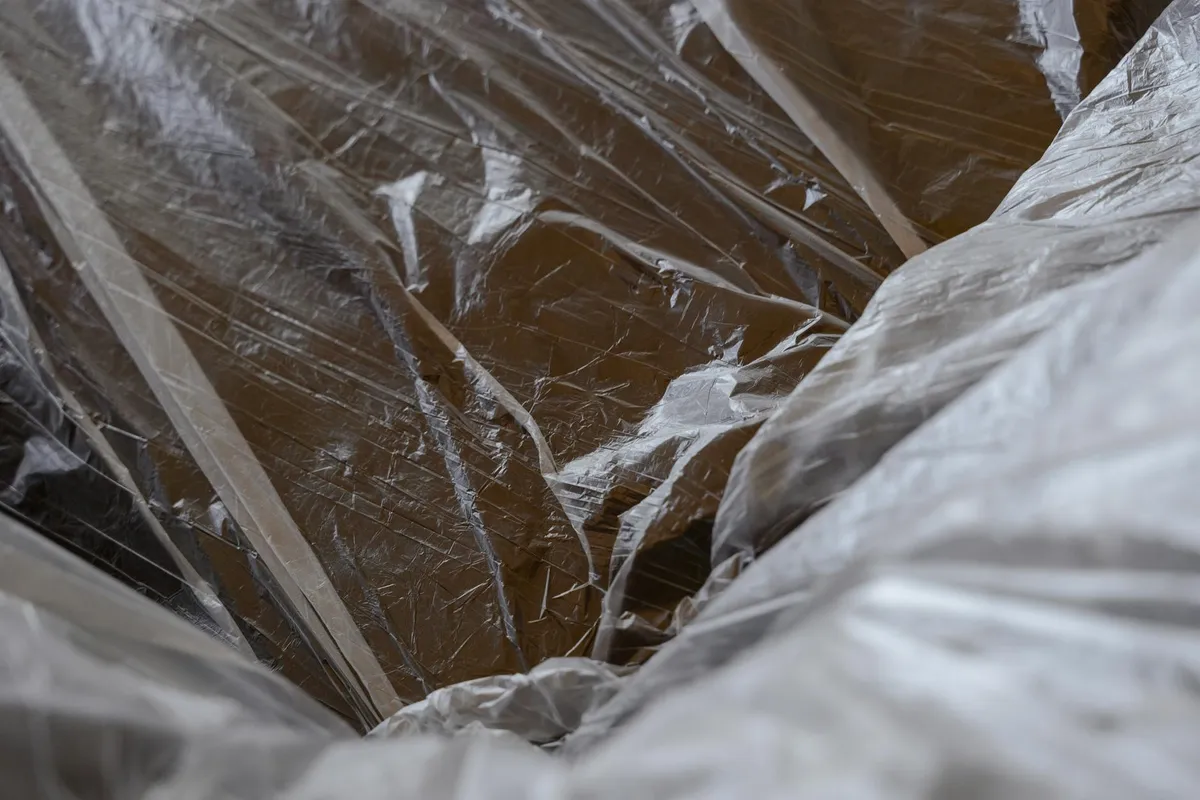
Cast polypropylene (CPP) and polyethylene (PE) clear bags appear interchangeable to most procurement teams. They are not. Material chemistry, processing characteristics, and end-use performance differ in ways that affect product presentation, supply-chain economics, and consumer experience. This article presents the technical comparison drawn from supplier specifications and industry data.
Clarity
CPP delivers superior optical clarity. The polymer's tighter molecular structure produces a glass-like transparency with haze values typically below 2% for premium grades. Clear PE — particularly LDPE and LLDPE — runs higher haze, in the 3-8% range depending on additive package and film thickness. For products where visual presentation drives purchase decisions (cosmetics, premium food, gift items), CPP's clarity advantage is material.
Stiffness and "feel"
CPP is stiffer. A 50-micron CPP film feels substantially more rigid than a 50-micron LDPE film. This affects perceived quality at retail and the structural integrity of bags carrying heavier products. Where soft hand-feel is preferred (for example, garment bags), PE's drape is the better choice.
Barrier properties
Neither material offers strong oxygen or moisture barriers without lamination. Both are functionally permeable to most gases relevant to product preservation. Where barrier matters (oxygen-sensitive food, moisture-sensitive electronics), neither bare CPP nor bare PE is adequate without coating, lamination, or oxygen scavengers. This is one of the most-misunderstood points in clear-bag procurement.
Sealability
PE seals at lower temperatures (typically 110-130°C) and across wider temperature windows. CPP requires higher seal temperatures (140-170°C) and narrower windows. This affects line speeds and seal-quality consistency in high-volume packaging operations. PE is more forgiving for inline sealing; CPP requires more controlled equipment.
Heat resistance
CPP withstands higher temperatures than PE. CPP films retain integrity to roughly 120°C; LDPE softens above 80°C. For applications involving hot fills, retort processes, or warehouse heat exposure, CPP is the technically appropriate choice.
Cost — material and freight
Resin costs fluctuate by region and feedstock pricing. As of 2024-2025 data, CPP and PE clear bag pricing at standard MOQs (50,000-100,000 units) typically falls in similar ranges, with PE marginally cheaper per unit at most thicknesses. CPP's lower density (approximately 0.91 g/cm³ vs. PE's 0.92-0.95 g/cm³) translates to slightly fewer kilograms per unit at equivalent thickness, which can offset modest unit-price premiums on freight-sensitive shipments.
Recyclability
Both materials are technically recyclable in dedicated streams. In practice, neither is widely recycled in U.S. consumer waste streams. Multi-layer CPP/PE laminates — common in food and cosmetics packaging — fall outside most municipal recycling programs entirely. Brands marketing recyclability claims should verify acceptance in target markets and avoid blanket claims.
Procurement implications
For premium retail presentation where clarity and stiffness drive perceived value, CPP is the technically superior material. For everyday packaging where soft hand-feel, lower seal temperature, and sub-marginal clarity are acceptable, PE remains cost-effective. The most-common procurement error observed in audits is defaulting to PE on the basis of marginal cost savings while sacrificing the visual and structural quality CPP would have delivered for the same product category.
Source notes
Material property ranges drawn from manufacturer specifications including Sealed Air, Toray Plastics, and Inteplast. Pricing benchmarks reflect 2024-2025 procurement quotes from a representative sample of Asian and North American suppliers at standard MOQs. Recyclability data sourced from the Association of Plastic Recyclers (APR) and How2Recycle program documentation.