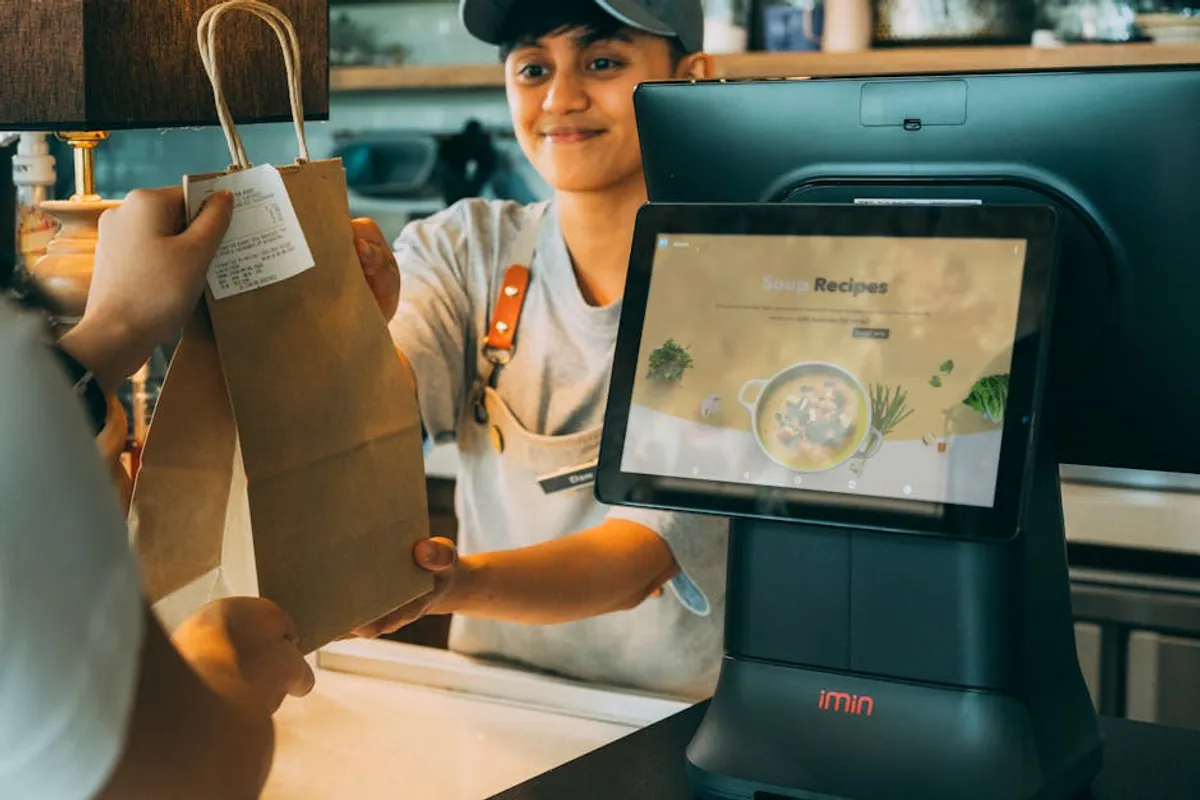
Custom bags serve as mobile advertisements and tangible brand touchpoints, particularly effective during seasonal campaigns when consumer purchasing behavior shifts. The decision to invest in custom-designed bags for specific seasons moves beyond simple packaging; it’s a strategic marketing choice that amplifies brand visibility, reinforces campaign messaging, and enhances the unboxing or carrying experience. For marketers and business owners, understanding how to align bag design with seasonal themes and campaign objectives is critical for maximizing impact and achieving measurable returns, transforming a functional item into a memorable brand asset.
Strategic Integration of Custom Bags in Seasonal Marketing
Integrating custom bags into seasonal marketing requires more than just adding a holiday logo. It demands a cohesive strategy that considers the campaign's overall goals, the target audience's seasonal mindset, and the practicalities of production and distribution. Each design element, from color palette to material choice, contributes to the perceived value and effectiveness of the seasonal promotion.
Aligning Design with Campaign Objectives
A custom bag design must directly support the specific objectives of its associated seasonal campaign. If the goal is to drive impulse purchases during a summer sale, the bag might feature bold, attention-grabbing colors and a clear call to action. For a luxury brand's winter gifting campaign, the design would lean towards elegant finishes, subtle branding, and premium materials to convey exclusivity. The bag becomes an extension of the product and the brand story, consistently communicating the campaign's core message. Visual consistency with other campaign assets—online ads, in-store displays, product packaging—is paramount to create a unified brand experience and reinforce recognition.
Material Selection for Impact and Durability
The choice of material for a custom bag significantly influences its perceived quality, environmental impact, and suitability for seasonal use. Lightweight paper bags might suffice for small, single-item purchases during a spring event, while a sturdy, laminated non-woven bag is more appropriate for carrying heavier items or promoting reusability during a year-end shopping spree.
- Paper: Versatile for printing, available in various finishes (matte, gloss), and often recyclable. Best for: Lightweight items, gift packaging, short-term use.
- Non-woven Polypropylene: Durable, water-resistant, and often reusable. Best for: Promotional giveaways, heavier items, grocery/retail, extended brand exposure.
- Cotton/Canvas: Eco-friendly, strong, and provides a natural, premium feel. Best for: High-end retail, fashion brands, sustainability-focused campaigns.
- Jute/Burlap: Rustic, natural, and highly durable. Best for: Artisan brands, organic products, eco-conscious promotions.
Each material communicates a different brand message. A cotton tote suggests eco-consciousness and durability, while a glossy paper bag with a ribbon handle implies a premium gifting experience.
High-Impact Design Concepts for Key Seasons
Tailoring bag designs to specific seasonal themes allows brands to tap into consumer sentiment and create a more resonant connection. The visual language of each season offers unique opportunities for creative expression.
Winter Holiday & Gifting Campaigns
The winter holiday season is characterized by gifting, celebration, and often, a sense of luxury or warmth. Designs should reflect this.
Visuals: Incorporate metallic inks (gold, silver, copper), deep jewel tones (emerald, ruby, sapphire), or classic holiday motifs like snowflakes, stars, or subtle festive patterns. Elegant typography for brand names or seasonal messages enhances the premium feel. Consider a "gift-wrap" aesthetic with integrated ribbons or unique closure mechanisms.
Functionality: Bags should be robust enough to hold multiple items or heavier gifts. Reinforced handles and gusseted bottoms are practical considerations.
Tactical Use: Integrate QR codes linking to post-holiday sales, gift guides, or loyalty program sign-ups. Limited-edition designs can drive immediate purchases.
Spring & Renewal Promotions
Spring signifies new beginnings, freshness, and often, lighter, brighter aesthetics.
Visuals: Opt for pastel color palettes, floral patterns, botanical illustrations, or abstract designs evoking growth and nature. Brighter, more optimistic hues can signal new product lines or a fresh brand direction.
Functionality: Lighter materials like thinner paper or lightweight non-woven fabrics are often suitable. Reusable designs encourage customers to carry the bag for everyday use, extending brand exposure.
Tactical Use: Promote new collections, outdoor event participation, or wellness initiatives. Bags can feature seed paper tags for an eco-friendly touch.
Summer & Travel-Themed Engagements
Summer campaigns often revolve around travel, leisure, and outdoor activities.
Visuals: Bold, vibrant colors, tropical prints, nautical stripes, or abstract patterns that evoke sunshine and adventure. Consider finishes that suggest water resistance or durability for outdoor use.
Functionality: Durable, spacious bags suitable for beach trips, picnics, or travel essentials are ideal. Materials like canvas or thicker non-woven polypropylene are practical.
Tactical Use: Event giveaways at festivals, travel retail partnerships, or promotions for vacation-related products. Designs can incorporate destination-specific elements.
Autumn & Back-to-School/Harvest Themes
Autumn brings themes of harvest, coziness, and the return to academic or professional routines.
Visuals: Earthy tones (deep reds, oranges, browns, forest greens), plaid patterns, leaf motifs, or subtle academic symbols. Textures that feel warm or natural can be effective.
Functionality: Robust bags for carrying books, supplies, or fall fashion items. Comfortable shoulder straps or larger capacities are beneficial for students or shoppers.
Tactical Use: Student discounts, promotions for fall fashion collections, or launches of comfort-oriented products. Designs can feature limited-time offers for the season.
Pro Tip: To maximize brand recall, avoid generic seasonal imagery that could be mistaken for a competitor's. Instead, subtly integrate brand-specific elements—your logo within a snowflake pattern, your brand colors in a floral print, or a unique brand character dressed for the season—into seasonal designs. This reinforces identity even amidst festive themes, ensuring your bag remains distinct.
Practical Considerations for Seasonal Bag Production
Beyond design, the logistical and financial aspects of producing custom seasonal bags require careful planning to ensure timely delivery and cost-effectiveness.
Lead Times and Production Planning
Seasonal campaigns often coincide with peak production periods for manufacturers. Planning custom bag orders well in advance—typically 8-12 weeks before the campaign launch—is crucial. This allows for design iterations, material sourcing, proofing, and shipping without compromising deadlines. Last-minute orders risk higher costs, limited material options, and potential delays that can undermine campaign effectiveness.
Budgeting and Cost Efficiency
The cost of custom bags varies based on several factors: material type, bag size, print method (e.g., screen print, offset, digital), number of colors, and order volume.
Best for: Cost efficiency and consistency, bulk ordering significantly reduces per-unit cost. Consolidating different seasonal designs into a single, larger order where possible can yield better pricing. Simple, one or two-color designs on standard materials are generally more economical than complex, multi-color prints or specialized finishes.
Sustainable Practices in Bag Design
Consumer demand for eco-friendly options continues to rise, making sustainable bag design a commercial imperative.
Options:
- Recycled Content: Utilize bags made from post-consumer recycled paper or recycled PET (RPET) for non-woven options.
- Biodegradable Materials: Explore materials like corn starch-based plastics or certain types of paper that naturally decompose.
- Reusable Designs: Design bags that are durable and appealing enough for customers to reuse repeatedly, extending the bag's lifespan and brand exposure.
- Minimalist Printing: Reduce ink usage with simpler designs or water-based, non-toxic inks.
Highlighting these sustainable choices on the bag itself can further enhance brand perception and appeal to environmentally conscious customers.
Activating Your Seasonal Bag Strategy
Effective seasonal custom bag campaigns hinge on thoughtful strategy, creative execution, and meticulous logistical planning. These bags are not merely vessels for products; they are dynamic marketing tools that carry your brand message, enhance customer experience, and extend your campaign's reach. By aligning design with seasonal sentiment, selecting appropriate materials, and planning production proactively, businesses can transform a functional item into a memorable brand ambassador, driving engagement and reinforcing seasonal promotions.
Frequently Asked Questions
How far in advance should I plan for seasonal custom bag orders?
It is advisable to plan and place orders for seasonal custom bags at least 8 to 12 weeks before your campaign launch. This timeframe accounts for design finalization, material procurement, production, and shipping, helping avoid rush fees and ensuring timely delivery.
What are the most cost-effective printing methods for seasonal designs?
For most seasonal custom bags, screen printing is often the most cost-effective method for designs with fewer colors and larger quantities. For complex, multi-color designs or photographic imagery, offset printing might be necessary, though it typically requires higher minimum order quantities.
Can seasonal custom bags be eco-friendly?
Yes, many eco-friendly options are available. Consider bags made from recycled paper, post-consumer recycled plastics (RPET), organic cotton, or jute. Additionally, designing bags for reusability extends their lifecycle and reduces environmental impact.
How can I ensure my seasonal bag design stands out from competitors?
To ensure your seasonal bag design stands out, integrate unique brand elements into the seasonal theme rather than relying on generic imagery. Use distinctive color palettes, custom illustrations, or innovative finishes that reflect your brand's identity while still capturing the seasonal spirit.