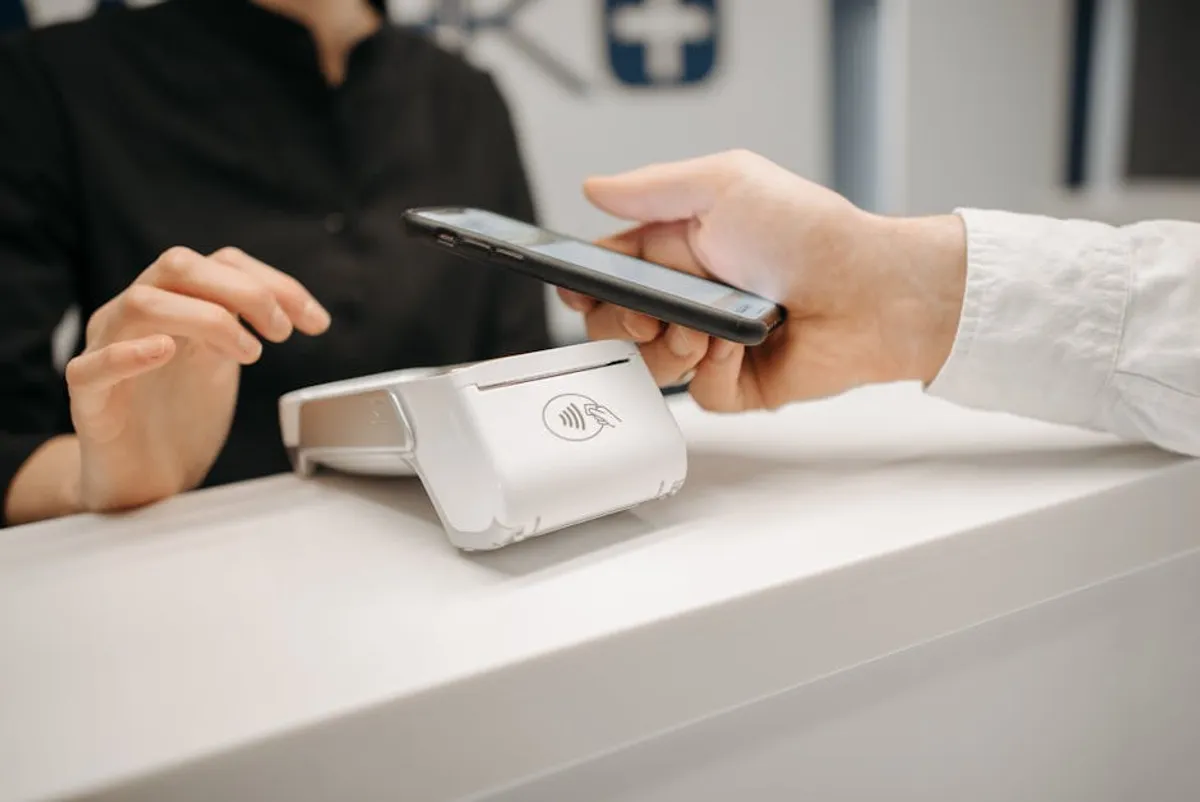
The question of whether Walmart accepts tap-to-pay, such as Apple Pay or Google Pay, is a frequent point of inquiry for consumers accustomed to ubiquitous contactless transactions. For businesses, understanding Walmart's payment strategy offers insights into broader retail payment trends, market adoption rates, and the strategic decisions influencing customer experience and data leverage. While many retailers have adopted NFC-based tap-to-pay systems, Walmart has largely pursued a proprietary mobile payment solution, Walmart Pay, which operates differently from standard contactless methods. This approach shapes not only consumer convenience but also the competitive landscape and technological investment priorities for other large-scale retailers.
Walmart's Approach to Contactless Payments
Walmart's primary mobile payment offering is Walmart Pay, integrated within its official mobile application. This system relies on QR code scanning at the point of sale, rather than NFC (Near Field Communication) technology used by Apple Pay, Google Pay, and other card-based tap-to-pay systems. When a customer uses Walmart Pay, they open the app, select the payment option, and scan a QR code displayed on the terminal. The transaction then processes through a linked credit, debit, or gift card stored securely within the app.
This proprietary strategy allows Walmart to maintain direct control over the payment experience. It facilitates the integration of digital coupons, loyalty programs, and e-receipts directly into the transaction flow, providing a unified customer journey. For Walmart, this means valuable first-party data on purchasing habits, which can inform inventory management, personalized marketing, and future service development. However, it also means that traditional NFC-based tap-to-pay methods are generally not supported at most Walmart registers, leading to a different payment expectation for customers accustomed to those systems elsewhere.
Market Outlook for Contactless Transactions
The global market for contactless payments continues to expand, driven by factors such as convenience, speed, and perceived hygiene benefits. Consumer adoption has accelerated, particularly in urban areas and among younger demographics, making NFC-enabled payments a standard expectation at many retail and service points. Payment networks like Visa and Mastercard actively promote contactless technology, and many point-of-sale (POS) terminals are now equipped with NFC readers as standard.
This widespread adoption creates a dynamic where retailers face pressure to align with prevailing consumer preferences. Businesses that offer diverse payment options, including standard tap-to-pay, often report higher customer satisfaction and faster transaction times. The market outlook suggests continued growth in contactless payments, with increasing integration into loyalty programs and a push towards seamless, device-agnostic payment experiences. For retailers, the decision to support or bypass standard NFC tap-to-pay involves weighing the benefits of a proprietary system against the potential for customer friction or lost sales from those preferring universal contactless options.
Risks and Strategic Considerations for Retailers
Implementing or opting out of widely accepted payment technologies like NFC tap-to-pay carries specific risks and strategic implications for retailers, including Walmart. For businesses considering their payment infrastructure, these factors are critical:
- Customer Experience and Preference: Not supporting widely adopted payment methods can lead to customer frustration or abandonment, especially for those who prefer the speed and convenience of standard tap-to-pay. A seamless checkout experience directly impacts customer loyalty and repeat business.
- Implementation Costs: Upgrading POS hardware to support NFC readers, integrating new software, and training staff represents a significant capital expenditure. Retailers must evaluate these costs against the projected benefits in transaction speed and customer satisfaction.
- Data Ownership and Control: Proprietary payment systems, like Walmart Pay, offer retailers direct access to valuable transaction data, enabling personalized marketing and deeper customer insights. Relying solely on third-party payment processors may limit this direct data access.
- Security and Fraud Prevention: Any payment system, proprietary or third-party, must adhere to stringent security standards (e.g., PCI DSS compliance). Retailers bear the responsibility of protecting customer financial data, and any breach can severely damage brand reputation.
- Competitive Landscape: In an increasingly competitive retail environment, payment options can differentiate a brand. Retailers must assess what their direct competitors offer and how their own payment strategy aligns with or deviates from industry norms.
Pro Tip for Retail Strategists: When evaluating payment system choices, prioritize customer journey mapping. Understand not just the transaction mechanics but the entire customer interaction from selection to checkout. A payment method that offers superior data capture but introduces friction at the point of sale may ultimately harm overall customer lifetime value more than it benefits marketing efforts.
Key Developments to Monitor in Retail Payments
The retail payment landscape is in constant flux, driven by technological advancements, evolving consumer behaviors, and competitive pressures. Businesses should monitor several key developments to inform their payment strategies:
Expansion of Digital Wallets and Super Apps
Beyond traditional card-linked digital wallets, the rise of "super apps" that integrate payment, messaging, shopping, and other services (e.g., WeChat Pay in Asia) indicates a future where payment is just one component of a broader digital ecosystem. Retailers may explore partnerships or develop their own ecosystems to capture more customer touchpoints and data.
Integration of Biometric and Alternative Authentication
Biometric authentication (fingerprint, facial recognition) is becoming more common, offering enhanced security and convenience. Additionally, alternative payment methods like cryptocurrency, while still niche, are gaining traction and may require future consideration for large retailers aiming to serve diverse customer segments.
Personalization and Loyalty Program Synergy
The ability to seamlessly integrate payment with loyalty programs, personalized offers, and purchase history is a significant driver of customer retention. Future payment systems will increasingly focus on this synergy, making the payment act a data-rich interaction rather than a simple exchange of funds.
Regulatory Changes and Data Privacy
Evolving regulations around data privacy (e.g., GDPR, CCPA) and payment security will continue to shape how retailers collect, store, and utilize payment-related data. Compliance is non-negotiable and requires ongoing vigilance and investment.
Informing Your Payment Strategy
Walmart's strategic choice to prioritize its proprietary Walmart Pay over universal NFC tap-to-pay illustrates a deliberate trade-off between widespread payment acceptance and control over the customer journey and data. For businesses observing this, the commercial implications are clear: understanding your customer base's payment preferences is paramount. While proprietary systems offer distinct advantages in data collection and integrated experiences, they must be weighed against the potential for customer friction if they deviate significantly from established payment norms. The future of retail payments will likely involve a hybrid approach, balancing proprietary innovation with broad compatibility to cater to diverse consumer expectations and leverage emerging technologies effectively.
Frequently Asked Questions
Does Walmart accept Apple Pay or Google Pay?
No, most Walmart stores in the U.S. do not accept Apple Pay, Google Pay, or other NFC-based tap-to-pay systems directly at their registers. Walmart primarily promotes its own mobile payment solution, Walmart Pay, which uses QR codes.
What is Walmart Pay and how does it work?
Walmart Pay is a mobile payment system integrated into the Walmart app. Users link their credit, debit, or gift cards to the app, then scan a QR code displayed at the checkout register to complete a transaction. This system allows for integrated savings, loyalty programs, and e-receipts.
Why doesn't Walmart fully embrace traditional tap-to-pay?
Walmart's strategy with Walmart Pay aims to control the customer payment experience, gather valuable first-party transaction data, and integrate loyalty and promotional offers directly into the payment process. This provides strategic advantages in marketing and customer relationship management that might be diluted by relying on third-party NFC payment platforms.
What are the benefits of contactless payments for shoppers?
Contactless payments offer several benefits, including increased speed at checkout, enhanced convenience by not requiring physical cards, and perceived hygiene advantages by reducing physical contact with payment terminals. Many also find them more secure as card details are tokenized and not directly shared with the merchant.