
Packaging extends far beyond its fundamental role of protecting a product during transit. It serves as a critical, often underestimated, touchpoint in the customer journey, shaping perceptions, influencing purchasing decisions, and fostering brand loyalty. For businesses operating in competitive markets, optimizing packaging is not merely an aesthetic choice but a strategic imperative that directly impacts customer experience (CX) and, consequently, commercial success. Understanding how design, functionality, and sustainability choices resonate with consumers allows brands to transform a utilitarian necessity into a powerful marketing and retention tool.
Beyond Protection: Packaging as a Brand Touchpoint
The moment a customer interacts with packaging marks a pivotal opportunity for a brand to communicate its values and quality. This initial physical engagement can set the tone for the entire product experience.
The Unboxing Experience
The act of opening a package has evolved into a significant part of the product experience, particularly with the rise of e-commerce and social media sharing. A well-designed unboxing experience creates anticipation and delight, transforming a simple delivery into a memorable event. This involves considerations such as the texture of materials, the sequence of revealing contents, the inclusion of personalized messages, and the overall sensory presentation. Brands that invest in a thoughtful unboxing process often see higher levels of customer satisfaction, increased social media engagement through user-generated content, and stronger emotional connections with their audience.
Visual Communication and Brand Identity
Packaging acts as a silent salesperson, conveying brand identity and product value through visual cues. Color schemes, typography, logos, and imagery all contribute to a cohesive brand narrative. High-quality printing, premium materials, and innovative structural design signal attention to detail and product quality, influencing perceived value before the product itself is even used. Conversely, flimsy or poorly designed packaging can detract from a product's perceived worth, regardless of its intrinsic quality. Consistent branding across all packaging elements reinforces recognition and trust, making a product instantly identifiable and distinct in a crowded marketplace.
Practicality and Functionality in Design
While aesthetics and branding are crucial, the practical aspects of packaging directly influence a customer's day-to-day interaction with a product. Frustration with packaging can quickly erode goodwill established by effective marketing.
Ease of Opening and Use
Packaging that is difficult to open, reseal, or dispose of creates immediate friction for the customer. Features like tear strips, clear instructions, ergonomic shapes, and child-safe yet adult-friendly mechanisms contribute significantly to a positive user experience. Products that are easy to access and use straight out of the box reduce potential frustration and can minimize customer service inquiries related to packaging issues. This focus on user-centric design demonstrates a brand's consideration for its customers, building a foundation of convenience and reliability.
Product Protection and Integrity
The primary function of packaging remains the protection of the product from damage, contamination, or tampering during transit and storage. Effective protective packaging ensures the product arrives in perfect condition, directly impacting customer satisfaction and reducing returns or complaints. This involves selecting appropriate materials for cushioning, sealing, and structural integrity. Failure in this area leads to disappointment, negative reviews, and increased operational costs for handling damaged goods, directly harming the customer experience and brand reputation.
Sustainable Packaging Choices
An increasing number of consumers prioritize environmental responsibility, making sustainable packaging a key differentiator. Brands that adopt eco-friendly materials and practices align with these values, enhancing their appeal and demonstrating corporate responsibility. This includes:
- Using recycled or post-consumer content materials.
- Designing for recyclability or compostability.
- Minimizing excess packaging and void fill.
- Sourcing materials from renewable or sustainably managed resources.
- Communicating eco-credentials clearly on the package.
Sustainable packaging can foster a sense of shared values between the brand and the customer, contributing to loyalty and positive brand perception. Conversely, excessive or non-recyclable packaging can lead to consumer backlash and damage a brand's image.
Driving Customer Loyalty and Repeat Business
Beyond the initial purchase, packaging can play a sustained role in encouraging repeat business and strengthening customer relationships.
Personalized Packaging
Incorporating personalized elements, such as a customer's name, a handwritten note, or customized product recommendations, elevates the packaging from generic to intimate. This level of personalization makes customers feel valued and understood, fostering a deeper connection with the brand. While potentially more complex to implement at scale, personalized packaging can significantly enhance the perceived value of the product and the overall customer experience, encouraging repeat purchases and positive word-of-mouth.
Post-Purchase Engagement
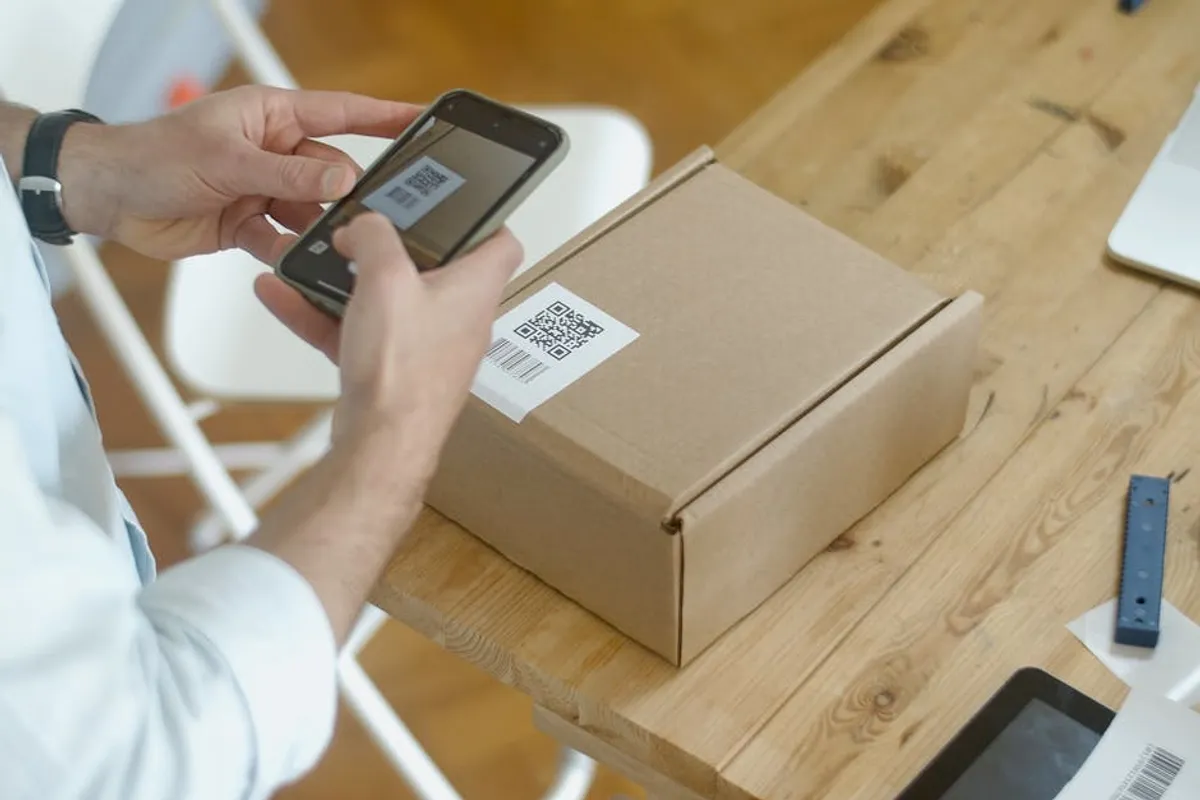
Packaging can serve as a conduit for continued engagement after the product has been unboxed. Including calls to action, QR codes linking to product tutorials, warranty registration, or social media channels extends the customer journey beyond the physical product. Information about loyalty programs, exclusive offers for future purchases, or requests for feedback can be seamlessly integrated into packaging design, turning a one-time transaction into a continuous relationship-building opportunity.
Pro Tip: Regularly audit your packaging design and materials. Conduct A/B tests on different packaging elements, from color schemes to opening mechanisms, and gather direct customer feedback. What appears efficient or appealing internally may create friction or confusion for the end-user. Prioritize functionality and clarity alongside aesthetic appeal to ensure packaging enhances, rather than detracts from, the overall product experience.
Optimizing Packaging for Enhanced CX
To effectively leverage packaging as a CX driver, businesses must adopt a holistic approach that integrates design, functionality, and sustainability with their overall brand strategy. This involves understanding target audience preferences, investing in quality materials, and continuously evaluating the unboxing and post-purchase experience. By viewing packaging as an integral part of the product and brand narrative, companies can transform a cost center into a powerful asset that builds loyalty, differentiates offerings, and ultimately drives long-term commercial growth.
Frequently Asked Questions
How does packaging impact perceived product value?
Packaging directly influences perceived value through its materials, design quality, and presentation. Premium materials, elegant designs, and thoughtful details can signal higher quality and luxury, leading customers to perceive the product inside as more valuable, even before use.
Can sustainable packaging improve customer loyalty?
Yes, sustainable packaging can significantly improve customer loyalty, particularly among environmentally conscious consumers. Brands that demonstrate a commitment to eco-friendly practices align with customer values, fostering trust, positive brand association, and a willingness to support the brand repeatedly.
What role does packaging play in online sales?
In online sales, packaging is often the first physical interaction a customer has with a brand. A well-designed, protective, and branded package reinforces the online purchase decision, creates a positive unboxing experience, and can encourage social sharing, effectively extending the brand's reach and enhancing post-purchase satisfaction.
Is it worth investing more in packaging design?
Investing more in packaging design is often worthwhile because it contributes to brand differentiation, customer satisfaction, and perceived product quality. Thoughtful packaging can reduce returns, generate positive reviews, encourage repeat purchases, and ultimately strengthen brand equity, leading to a strong return on investment.