
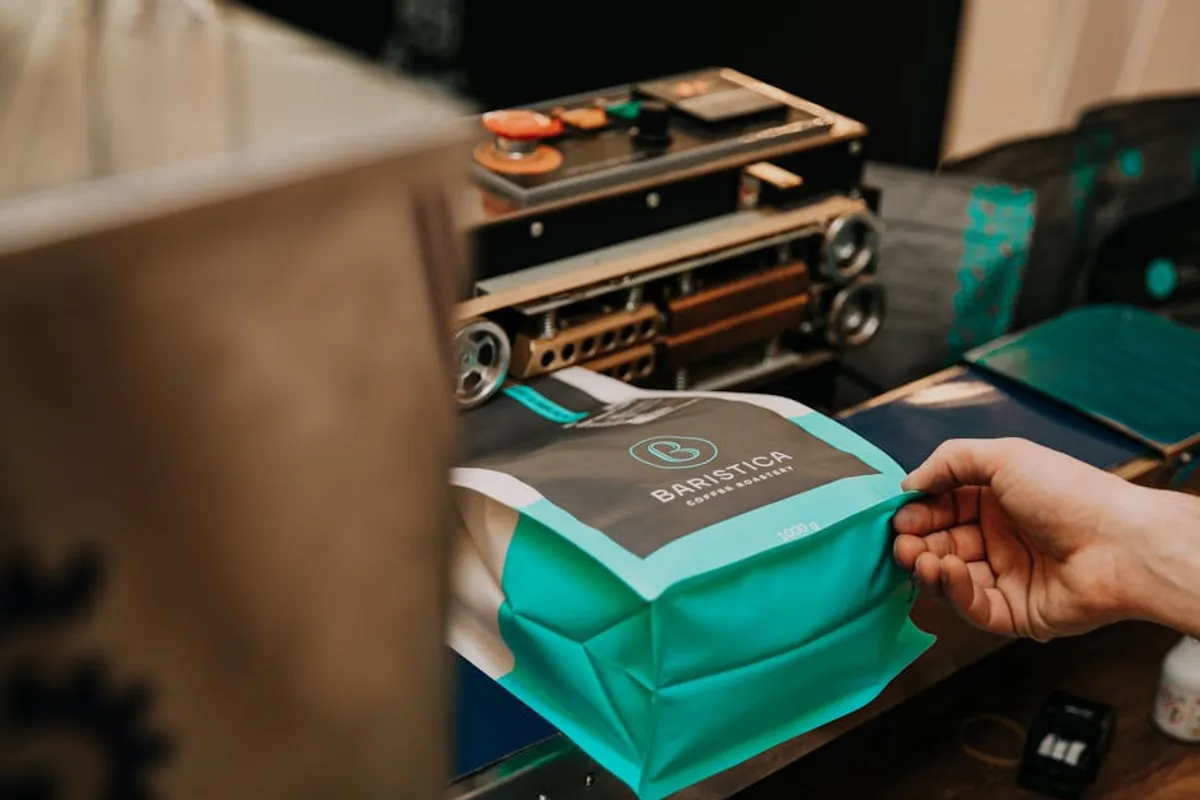
Product packaging transcends its primary role as a protective container; it functions as a critical, tangible touchpoint in the customer journey. For businesses, packaging is an extension of the brand, a silent salesperson, and a direct contributor to the overall customer experience. Decisions around materials, design, functionality, and sustainability directly influence customer perception, purchase intent, and long-term loyalty. Understanding these impacts is not merely about aesthetics, but about strategically leveraging every element of packaging to foster positive interactions and reinforce brand values.
The First Impression: Visual Appeal and Brand Alignment
The initial visual encounter with a product's packaging sets an immediate tone for customer expectations. High-quality, thoughtfully designed packaging communicates professionalism, attention to detail, and a commitment to product value before the item itself is even seen. Conversely, flimsy or poorly designed packaging can undermine perceived product quality, regardless of the item inside.
Material Choices and Tactile Experience
The physical feel of packaging—its weight, texture, and finish—contributes significantly to the perceived quality. Premium materials like thick cardstock, embossed surfaces, or soft-touch finishes evoke a sense of luxury and care. For instance, a rigid box with a magnetic closure suggests a higher-end product than a simple plastic bag, even if the contents are identical. This tactile experience creates a subconscious association with the brand's overall quality and value proposition.
Color, Typography, and Imagery
These design elements must align with the brand's identity and target audience. A consistent color palette and font usage across all brand touchpoints, including packaging, reinforce brand recognition. Imagery should be clear, relevant, and aspirational, reflecting the product's benefits or the lifestyle it enables. Disjointed or low-resolution graphics can signal a lack of professionalism, eroding customer trust before the product is even unboxed.
The Unboxing Ritual: Cultivating Emotional Connection
The act of unboxing has evolved from a simple unwrapping to a significant event, often shared on social media. A well-orchestrated unboxing experience can transform a transactional purchase into an emotional connection, fostering delight and brand advocacy.
Elements of an Engaging Unboxing Experience
- Layered Discovery: Creating multiple stages of unwrapping, revealing components gradually, builds anticipation and excitement.
- Personalized Touches: Handwritten notes, custom stickers, or small, branded gifts make the customer feel valued and recognized.
- Sensory Engagement: Beyond sight and touch, subtle scents (e.g., a custom fragrance on tissue paper) or sounds (e.g., the satisfying click of a magnetic closure) can enhance the experience.
- Clear Instructions/Information: Including well-designed, easy-to-understand guides or product information within the packaging adds practical value.
- Internal Presentation: How the product sits within the packaging—secure, elegant, and protected—is crucial. Custom inserts or dividers prevent shifting and present the product professionally.
Functional Imperatives: Protection and Usability
While aesthetics and experience are vital, packaging's core function—protecting the product—remains paramount. Damage during transit or poor usability upon arrival directly impacts customer satisfaction and can lead to costly returns and negative reviews.
Ensuring Product Integrity
Effective packaging design must account for the product's fragility, weight, and dimensions, utilizing appropriate cushioning, void fill, and external barriers to withstand shipping and handling stresses. A product arriving damaged, regardless of its quality, results in immediate customer dissatisfaction and a perception of brand unreliability.
Ease of Opening and Access
Frustration with packaging that is difficult to open, requires excessive force, or is prone to tearing can detract significantly from the customer experience. Features like tear strips, easy-peel seals, or clearly marked opening points enhance usability. Conversely, "wrap rage" can sour the initial interaction, even if the product itself is excellent.
Sustainability as a Brand Differentiator
Consumer awareness of environmental issues continues to grow, making sustainable packaging a key factor in purchase decisions and brand perception. Brands that prioritize eco-friendly packaging align with customer values, enhancing their image and fostering loyalty.
Pro Tip: When implementing sustainable packaging, clearly communicate your efforts on the packaging itself and on your website. Transparency about material choices, recyclability instructions, and environmental impact helps customers appreciate your commitment and reinforces their positive perception of your brand.
Material Choices and Circularity
Opting for recycled, recyclable, compostable, or biodegradable materials demonstrates a commitment to environmental responsibility. Reducing overall material usage, eliminating unnecessary components, and designing for a circular economy (where packaging can be reused or repurposed) resonates strongly with eco-conscious consumers.
Beyond the Product: Post-Purchase Value
Packaging can extend its utility beyond the initial unboxing, offering ongoing value that reinforces the customer's positive experience.
Reusability and Secondary Uses
Packaging designed for reuse—such as sturdy boxes that can store items, decorative tins, or fabric bags—provides practical value long after the product is consumed. This not only offers a tangible benefit to the customer but also serves as a subtle, continuous brand reminder within their home or office.
Informational and Educational Content
Packaging can house QR codes linking to product tutorials, care instructions, or exclusive content. This transforms the packaging into an interactive tool, enhancing product understanding and engagement, and deepening the customer's relationship with the brand.
Strategically Designing for Customer Delight
The impact of packaging on customer experience is multifaceted, extending from the initial visual appeal to post-purchase utility. Businesses that view packaging as an integral part of their brand strategy, rather than a mere necessity, can significantly enhance customer satisfaction, foster loyalty, and drive repeat business. Every design choice, material selection, and functional consideration contributes to a holistic experience that either elevates or diminishes the customer's perception of value. Prioritizing thoughtful, user-centric packaging design is a direct investment in stronger customer relationships and sustained brand success.
Frequently Asked Questions
What role does packaging play in brand perception?
Packaging is often the first physical interaction a customer has with a brand, directly influencing perceptions of quality, value, and professionalism. Its design, materials, and overall presentation communicate brand identity and can either reinforce or contradict marketing messages.
How can sustainable packaging improve customer experience?
Sustainable packaging aligns with the growing environmental values of many consumers. By choosing eco-friendly materials and practices, brands demonstrate responsibility, which can enhance customer trust, foster loyalty, and create a positive emotional connection with the brand.
Is the unboxing experience truly important for customer loyalty?
Yes, a well-executed unboxing experience can transform a transactional purchase into an emotional event. It creates a memorable moment of delight, encourages social sharing, and reinforces a positive brand image, all of which contribute to stronger customer loyalty and advocacy.
What are key elements of effective product packaging?
Effective product packaging combines aesthetic appeal, robust product protection, clear brand communication, ease of use, and, increasingly, sustainable design. It should be visually engaging, functional, and reflective of the brand's core values.