
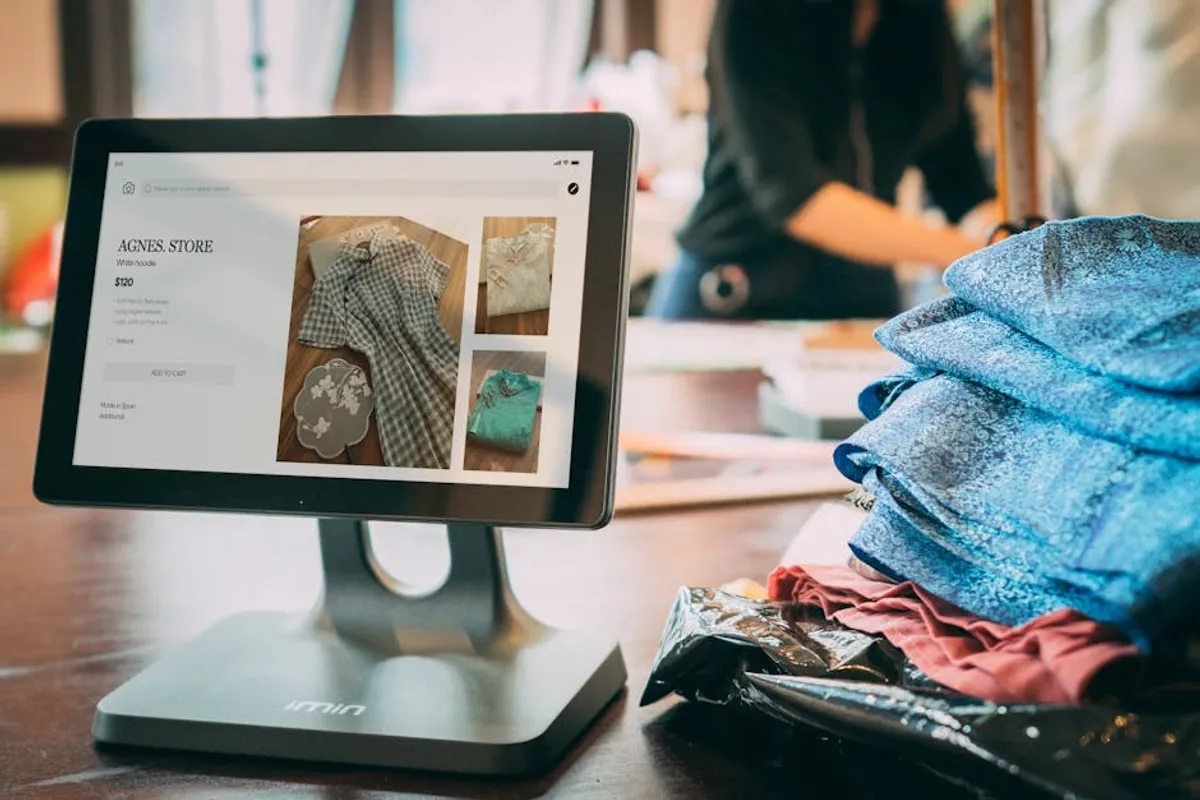
For small businesses, packaging extends far beyond mere product protection; it represents a critical, often underutilized, marketing channel. In a competitive landscape where marketing budgets are frequently constrained, thoughtful packaging design offers a tangible touchpoint that can communicate brand values, enhance the customer experience, and differentiate products without requiring extensive advertising spend. Understanding how to leverage this physical asset effectively can translate directly into stronger brand recognition, increased customer loyalty, and valuable word-of-mouth referrals. Exploring options for customization and branding can help small businesses make a memorable impact with their packaging.
Establishing Brand Identity Through Visuals and Tactile Elements
Packaging serves as a primary visual ambassador for your brand before a customer even interacts with the product itself. The immediate impression it creates influences perception and purchasing decisions, particularly in retail environments or upon delivery. Small businesses can harness this by ensuring their packaging consistently reflects their brand's core identity.
Visual Cohesion and Messaging
Every design choice, from color palette and typography to logo placement and imagery, contributes to a cohesive brand narrative. For instance, a minimalist design with muted tones might convey sophistication and premium quality, while vibrant colors and playful illustrations could suggest a fun, accessible brand. The key is intentionality: each element should reinforce the brand's personality and values. This consistency builds trust and makes the brand instantly recognizable, fostering a deeper connection with the target audience.
Materiality and Sensory Engagement
The physical feel of packaging—its weight, texture, and even scent—plays a significant role in the customer's sensory experience. High-quality materials, such as thick cardstock, embossed finishes, or sustainable alternatives like recycled paper or compostable plastics, can elevate perceived value. For example, a small batch coffee roaster using a textured, resealable bag communicates attention to detail and product freshness more effectively than a generic, thin plastic pouch. These tactile elements create a memorable experience that differentiates the brand from competitors and reinforces a commitment to quality.
Enhancing the Unboxing Experience for Lasting Impact
The act of unboxing has evolved into a significant marketing opportunity, especially with the rise of social media. For small businesses, creating a deliberate unboxing experience can transform a transactional moment into a memorable event, encouraging customer delight and user-generated content.
Curated Presentation and Inserts
Beyond the primary packaging, consider what happens when a customer opens the box or bag. Thoughtful additions like custom tissue paper, branded stickers, a handwritten thank-you note, or a small complimentary sample can significantly elevate the experience. These small gestures demonstrate appreciation and attention to detail, making customers feel valued. For example, a small jewelry business might include a velvet pouch and a care instruction card, adding perceived value and extending the product's lifespan.
Encouraging Social Sharing
A visually appealing and engaging unboxing experience naturally lends itself to social media sharing. Businesses can subtly encourage this by including calls to action on packaging inserts, such as "Share your unboxing with #YourBrandName" or providing a QR code linking to a social media contest. When customers share their experience, it generates authentic social proof and extends the brand's reach organically to new, relevant audiences at no direct advertising cost.
Pro Tip: To maximize unboxing impact, analyze your customer journey. Identify points where a small, branded insert or a unique sealing method can create a moment of delight. This doesn't require expensive custom boxes; even a branded ribbon or a personalized message on a standard mailer can make a significant difference.
Leveraging Packaging for Information and Sustainability Messaging
Packaging is a direct line of communication with your customer, offering space to convey essential product information, brand story, and commitment to values like sustainability.
Product Storytelling and Transparency
Use packaging to tell your brand's story. This could include the origin of ingredients, the craftsmanship involved, or the mission behind the product. For a small food business, this might mean highlighting local sourcing or organic certifications. For a handmade craft business, it could be a brief narrative about the artisan. This transparency builds trust and allows customers to connect with the brand on a deeper, more emotional level, moving beyond just the product's functional benefits.
Communicating Ethical and Sustainable Practices
As consumer awareness of environmental and social issues grows, packaging that reflects sustainable practices becomes a potent marketing tool. Clearly labeling packaging as "recycled," "biodegradable," "compostable," or "ethically sourced" communicates a brand's commitment to responsible practices. This not only appeals to environmentally conscious consumers but also positions the brand as forward-thinking and values-driven. Small businesses can start with simple steps, like using recycled content for shipping boxes or opting for water-based inks, and clearly communicating these efforts. Making thoughtful sustainable packaging choices can also resonate deeply with a growing segment of consumers.
Cost-Effective Customization and Practical Application
Small businesses often operate with tighter budgets, making cost-effective packaging solutions essential. Customization doesn't always mean expensive bespoke designs; clever use of standard materials can achieve significant marketing impact.
Smart Customization Techniques
- Branded Stickers and Labels: Apply custom stickers or labels to plain, off-the-shelf boxes, bags, or jars. This is a highly flexible and affordable way to brand generic packaging.
- Custom Stamps: A custom rubber stamp with your logo or a unique pattern can transform plain kraft paper bags or boxes into branded packaging with minimal investment.
- Printed Inserts and Cards: Design and print small cards or flyers with your brand story, social media handles, or a discount code for future purchases. These are inexpensive to produce in bulk and add a professional touch.
- Ribbons and Twine: A simple branded ribbon or natural twine can elevate basic packaging, adding a touch of elegance or rustic charm depending on your brand aesthetic.
- Eco-Friendly Fillers: Instead of plastic peanuts, use shredded paper, crinkle cut paper, or natural excelsior for cushioning. These options are often more visually appealing and align with sustainable branding.
These methods allow for customization without the high minimum order quantities often associated with fully custom-printed packaging, making them ideal for businesses managing inventory fluctuations or testing new product lines.
Integrating Packaging into Your Marketing Mix
Packaging is not a standalone element but an integral component of a holistic marketing strategy. When approached strategically, it reinforces other marketing efforts and contributes directly to brand equity.
Consider packaging design in conjunction with your website's aesthetic, social media visuals, and in-store displays. This ensures a consistent brand experience across all customer touchpoints. For example, if your online presence features a specific color scheme and photographic style, your packaging should echo these elements to create a seamless brand journey. This consistency is crucial for small businesses aiming to build a strong, recognizable identity in a crowded market. By viewing packaging as a continuous conversation with the customer, businesses can maximize its marketing potential from the initial glance to the final unboxing.
Frequently Asked Questions
What is the most cost-effective way for a small business to customize packaging?
The most cost-effective methods involve using generic, bulk-purchased packaging (e.g., plain boxes or bags) and customizing them with branded elements like stickers, custom stamps, or printed inserts. These options have lower minimum order quantities and allow for greater flexibility.
How can packaging help a small business stand out from competitors?
Unique packaging design, tactile materials, a memorable unboxing experience, and clear communication of brand values (like sustainability or craftsmanship) can differentiate a small business. Focusing on sensory details and storytelling through packaging creates a distinct impression.
Should small businesses prioritize sustainable packaging?
Prioritizing sustainable packaging can be a significant marketing advantage. It appeals to a growing segment of environmentally conscious consumers, enhances brand reputation, and demonstrates corporate responsibility. Even small steps, like using recycled content or biodegradable fillers, can make a difference.
What role does packaging play in customer loyalty?
Thoughtful packaging enhances the overall customer experience, making them feel valued and appreciated. A positive unboxing experience, coupled with clear communication of brand story and values, fosters emotional connections that encourage repeat purchases and build long-term loyalty.