
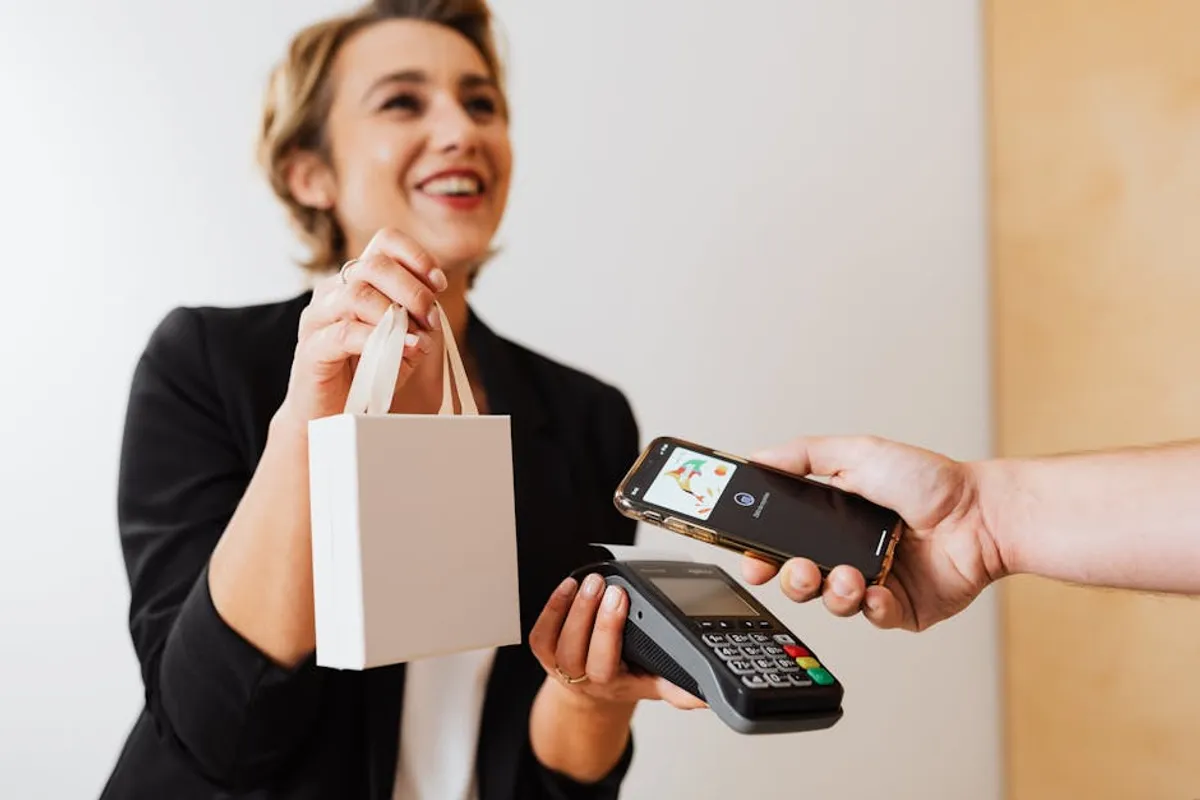
The choice between traditional retail bags and their alternatives is a strategic decision for businesses, impacting not only operational costs but also brand perception, customer experience, and environmental footprint. What might seem like a minor logistical detail directly influences how a brand is perceived in the market, its commitment to sustainability, and its ability to meet evolving consumer expectations. Evaluating this decision requires a clear understanding of material properties, manufacturing processes, end-of-life scenarios, and the often-overlooked implications for customer convenience and brand messaging.
Factors like durability, reusability, recyclability, and compostability are no longer niche considerations; they are core components of a brand's value proposition. The "better" option is not universal but depends on a business's specific product range, target demographic, operational model, and sustainability goals. This evaluation moves beyond simply containing a purchase; it encompasses the entire post-purchase journey, from store to home, and how that journey reinforces or detracts from the brand's identity.
What to Look For in an Alternative
When assessing alternatives to standard retail bags, several critical factors should guide the decision-making process:
- Material Composition and Sustainability Credentials: Understand if the material is recycled, recyclable, biodegradable, or compostable. Verify certifications and avoid greenwashing claims. Consider the energy and water consumption involved in its production and disposal.
- Durability and Product Protection: The alternative must adequately protect the purchased items. Evaluate its tear resistance, load-bearing capacity, and ability to withstand various environmental conditions during transport.
- Cost-Effectiveness: Beyond the unit cost, consider long-term savings from reduced waste, improved brand loyalty, and potential tax incentives for sustainable practices. Factor in storage, shipping, and potential customization costs.
- Brand Alignment and Aesthetics: The packaging is an extension of the brand. Does the alternative align with the brand's image, values, and target audience? Does it offer sufficient space and quality for branding elements like logos, colors, and messaging?
- Customer Convenience and Reusability: How easy is it for the customer to carry and reuse the alternative? A highly reusable option can serve as a walking advertisement for the brand. Consider ease of disposal for single-use alternatives.
- Supply Chain Reliability: Ensure the chosen alternative can be consistently sourced in the required quantities and within acceptable lead times, especially for custom designs or specialized materials.
- Regulatory Compliance: Be aware of local, national, and international regulations regarding packaging materials, single-use plastics, and labeling requirements for compostable or recyclable items.
1. Reusable Tote Bags
Reusable tote bags, typically made from materials like cotton canvas, jute, or non-woven polypropylene (NWPP), offer a durable and often stylish alternative to single-use retail bags. Their primary value lies in their longevity and repeated use, transforming a functional item into a potential brand ambassador. These bags are designed to withstand multiple shopping trips, reducing the overall waste generated by disposable options. They come in various sizes, colors, and material thicknesses, allowing for significant customization to match brand aesthetics and product requirements.
Key Features: High durability, large capacity, diverse material options, extensive customization potential for branding, often machine washable.
Pricing: Varies significantly based on material, size, order volume, and customization complexity. Basic NWPP totes can be relatively inexpensive for bulk orders, while organic cotton canvas or jute bags with intricate printing command higher per-unit costs. Expect a higher upfront investment per unit compared to single-use bags, offset by their potential for long-term brand exposure.
Best For: Retailers focused on sustainability, fashion brands, grocery stores, promotional giveaways, and businesses aiming for premium brand perception and extended customer engagement.
Pros:
- Significantly reduces single-use bag waste.
- Acts as a mobile advertisement for the brand with each reuse.
- Perceived as a premium, eco-conscious option by consumers.
- Offers superior durability and capacity for heavier or multiple items.
- Can be a revenue generator if sold rather than given away.
Cons:
- Higher initial unit cost compared to disposable bags.
- Requires more storage space due to bulkier construction.
- Manufacturing processes for some materials (e.g., virgin NWPP) can have environmental impacts.
- Relies on customer behavior for actual environmental benefits (i.e., customers must reuse them).
2. Corrugated Cardboard Boxes
Corrugated cardboard boxes provide a robust, protective, and highly recyclable packaging solution, especially suitable for larger, heavier, or more fragile items. They are constructed from multiple layers of paperboard, offering superior structural integrity and cushioning compared to a standard bag. Often made from recycled content and widely accepted in recycling programs, these boxes present a strong environmental argument. They can be custom-sized and printed, offering a clean, professional presentation for products.
Key Features: Excellent product protection, stackable for efficient storage and transport, high recycled content availability, widely recyclable, customizable dimensions and printing.
Pricing: Generally moderate, depending on board strength, size, print complexity, and order volume. While more expensive than basic plastic bags, they are cost-effective for their protective qualities and recyclability. Custom die-cut boxes will incur higher tooling costs.
Best For: E-commerce businesses, electronics retailers, gift shops, businesses selling fragile or bulky items, and operations requiring efficient stacking and shipping.
Pros:
- Superior protection for products during transit and handling.
- High recyclability rate and often made from renewable resources.
- Offers a premium unboxing experience, especially with custom printing.
- Efficient for storage and shipping due to stackability.
- Can be reused by customers for storage or other purposes.
Cons:
- Less convenient for immediate, casual carry compared to a bag.
- Can be bulky for customers to transport without a vehicle.
- Susceptible to water damage if not treated or protected.
- Higher unit cost than most single-use bags.
3. Compostable Mailers and Pouches
Compostable mailers and pouches represent a significant step towards circular economy principles for businesses primarily involved in shipping or offering smaller, non-fragile items. These alternatives are typically made from plant-based materials like corn starch or PLA (polylactic acid) and are designed to break down into organic matter in industrial or home composting environments. They offer a flexible, lightweight solution that addresses concerns about plastic waste, particularly for e-commerce operations.
Key Features: Made from renewable resources, certified compostable (industrial or home), lightweight, water-resistant (to a degree), often opaque for privacy, available in various sizes.
Pricing: Generally higher than traditional plastic poly mailers but competitive with some recycled content mailers. Costs are influenced by material composition, certifications, and order volume. The premium reflects the specialized material and manufacturing processes.
Best For: E-commerce businesses, apparel brands, subscription box services, small item retailers, and companies with strong environmental commitments looking to eliminate plastic waste from their shipping.
Pros:
- Breaks down into natural elements, reducing landfill waste.
- Appeals strongly to environmentally conscious consumers.
- Lightweight nature can reduce shipping costs.
- Offers a distinct sustainability message for the brand.
Cons:
- Requires specific composting conditions (industrial or home) to degrade properly; may end up in landfills if not disposed of correctly.
- Can be less durable than traditional plastic poly mailers in certain conditions.
- Higher unit cost than conventional plastic mailers.
- Shelf life can be shorter for some compostable materials.
4. Recycled Paper Bags
Recycled paper bags offer a direct, widely accepted alternative to plastic bags, leveraging an existing infrastructure for recycling and consumer familiarity. These bags are manufactured using post-consumer or post-industrial recycled paper fibers, reducing the demand for virgin timber and diverting waste from landfills. Available with or without handles, in various thicknesses and finishes, they provide a customizable surface for branding while communicating a commitment to sustainability through material choice.
Key Features: High recycled content, widely recyclable (check local facilities for handles/coatings), customizable printing and sizes, generally biodegradable, available with flat or twisted paper handles.
Pricing: Competitive with virgin paper bags, often slightly higher due to processing recycled materials. Price varies based on paper weight, percentage of recycled content, handle type, and print complexity. Generally more expensive than basic plastic bags but less than premium reusable totes.
Best For: Most retail sectors, including apparel, bookstores, gift shops, and any business seeking a widely understood, environmentally responsible single-use packaging option.
Pros:
- Strong consumer acceptance and familiarity with recycling.
- Reduces virgin material consumption and landfill waste.
- Provides a natural, tactile feel that can enhance brand perception.
- Good surface for high-quality printing and branding.
- Biodegradable in natural environments.
Cons:
- Less durable than plastic bags, especially when wet or carrying heavy items.
- Manufacturing can be energy and water intensive, though less so with recycled content.
- Handles (especially plastic ones) can complicate recycling.
- Can tear or crease easily, potentially impacting presentation.
5. Durable Fabric Wraps or Pouches
Durable fabric wraps or pouches, often made from materials like organic cotton, linen, or even repurposed textiles, offer a luxurious and highly sustainable alternative for specific product categories. These are typically smaller, non-rigid containers designed to hold individual items or small collections, providing both protection and an elevated unboxing experience. Their reusable nature extends their lifecycle significantly, and they often become cherished items for customers, further enhancing brand loyalty.
Key Features: Soft, protective, reusable, often made from natural or recycled fibers, highly customizable in terms of fabric type, color, and closure (drawstrings, buttons). Offers a premium tactile experience.
Pricing: Generally at the higher end of packaging costs due to material quality, manufacturing complexity, and often smaller batch production. Pricing depends heavily on fabric choice, size, and embellishments. These are typically a premium offering.
Best For: Luxury goods, jewelry, cosmetics, artisanal products, small gifts, and brands emphasizing craftsmanship, sustainability, and a high-end customer experience.
Pros:
- Creates a memorable and luxurious unboxing experience.
- Highly reusable by the customer, extending brand exposure.
- Communicates a strong commitment to quality and sustainability.
- Offers excellent protection for delicate items.
- Can become a keepsake, building deeper customer connection.
Cons:
- Significantly higher unit cost compared to most other alternatives.
- Less suitable for large, bulky, or heavy items.
- Requires careful selection of fabric to ensure durability and aesthetic appeal.
- Can be perceived as excessive for lower-priced items.
6. Digital-First Solutions
Digital-first solutions represent a paradigm shift from physical packaging to service-oriented alternatives that minimize or eliminate the need for bags altogether. This category includes strategies like "bagless checkout," where customers are encouraged to bring their own reusable bags, or in-store pickup models where items are packed into a customer's personal container or simply handed over without additional packaging. Digital receipts replace paper, further reducing material consumption. This approach prioritizes convenience and environmental impact reduction through behavioral change and technological integration.
Key Features: No physical bag required, leverages customer-owned solutions, integrates with digital platforms (e.g., email receipts, loyalty apps), reduces material costs and waste at the source.
Pricing: Minimal to no direct unit cost for "bag" itself. Investment is in technology (POS systems, digital receipt platforms) and potentially in-store signage or staff training to encourage bagless options. Can lead to significant savings on packaging procurement.
Best For: Grocery stores, pharmacies, quick-service retail, businesses with strong digital customer engagement, and any operation aiming for maximum waste reduction and operational efficiency.
Pros:
- Eliminates packaging waste entirely for customers opting in.
- Significant cost savings on bag procurement and storage.
- Positions the brand as highly innovative and environmentally responsible.
- Streamlines checkout processes and reduces physical clutter.
- Empowers customers to make sustainable choices.
Cons:
- Requires customer cooperation and behavioral change.
- May not be suitable for all purchase types (e.g., multiple small items, gifts).
- Can lead to customer dissatisfaction if not clearly communicated or if customers are unprepared.
- Initial investment in technology or staff training may be required.
7. Custom Product Packaging
Custom product packaging refers to instances where the product's primary container is designed to serve as its own carry solution, negating the need for a separate retail bag. This could involve items sold in boxes with integrated handles, products encased in durable, branded sleeves, or multi-packs designed for easy transport. The packaging becomes an integral part of the product experience, often designed for aesthetics and utility beyond just protection. This approach blurs the line between product packaging and retail bag, offering a seamless and often premium customer journey.
Key Features: Integrated carry features (handles, ergonomic design), high-quality materials, strong branding opportunities, often designed for display and product protection simultaneously. Can be made from various materials like rigid cardboard, molded pulp, or specialty plastics.
Pricing: Generally the highest per-unit cost among alternatives, as it involves specialized design, materials, and manufacturing for each product. Pricing is highly variable based on complexity, material, and order volume. The cost is justified by the enhanced brand experience and elimination of secondary packaging.
Best For: Premium electronics, gift sets, specialty food and beverage, apparel with unique presentations, and brands seeking to deliver a highly integrated, memorable product experience.
Pros:
- Elevates the entire product experience from purchase to unboxing.
- Eliminates the need for a separate retail bag, simplifying operations.
- Offers unparalleled branding and design opportunities.
- Can provide superior product protection and presentation.
- Reinforces the product's value and perceived quality.
Cons:
- Highest unit cost due to custom design and specialized manufacturing.
- Less flexible for varied product sizes or mixed purchases.
- Design and production lead times can be extensive.
- May lead to over-packaging if not carefully designed for minimal material use.
How to Choose the Right Alternative
Selecting the optimal retail bag alternative requires a holistic assessment of your business's specific context. Begin by clearly defining your primary objectives: Is it cost reduction, enhanced sustainability, improved brand image, or superior product protection? For a brand prioritizing eco-consciousness, compostable mailers or reusable totes might be paramount, while a luxury retailer might lean towards durable fabric wraps or custom product packaging to reinforce exclusivity. Analyze your product range; fragile or high-value items necessitate robust protection, favoring corrugated boxes or custom integrated packaging. Consider your average transaction size and customer journey. A grocery store benefits from bagless options or widely accepted recycled paper, whereas an e-commerce brand needs efficient, shippable solutions like compostable mailers. Finally, evaluate the long-term impact on customer loyalty and brand messaging. The chosen alternative should consistently communicate your brand's values and enhance the overall customer experience, rather than merely serving as a container.
FAQ
What are the main benefits of switching from traditional retail bags to alternatives?
Switching offers benefits such as reduced environmental impact, improved brand perception, potential cost savings over time, enhanced customer experience, and compliance with evolving sustainability regulations. Alternatives can also provide better product protection and serve as effective marketing tools.
Are "biodegradable" plastic bags a good alternative?
The term "biodegradable" for plastic bags is often misleading. Many require specific industrial conditions to degrade and may not break down in typical landfills or natural environments. True compostable bags, certified to standards like ASTM D6400 or EN 13432, are generally a more reliable choice for environmental benefits, as they are designed to fully decompose into non-toxic components.
How can I encourage customers to use reusable alternatives?
Strategies include offering incentives (e.g., small discount for bringing own bag), selling branded reusable bags at a reasonable price, clearly communicating the environmental benefits, and making reusable options visibly available and attractive at the point of sale. Educational signage and staff training also play a crucial role.
What is the cost difference between traditional bags and sustainable alternatives?
Sustainable alternatives often have a higher per-unit cost than conventional plastic bags. However, this upfront cost can be offset by benefits such as enhanced brand value, reduced waste disposal fees, potential for customer loyalty, and in some cases, the ability to sell the bag as a product itself. Long-term cost-benefit analysis should consider these broader factors.
How do I ensure my chosen alternative is truly sustainable?
Look for recognized certifications (e.g., FSC for paper, BPI or TUV Austria for compostability), inquire about the percentage of recycled content, understand the material's end-of-life options (recycling infrastructure availability, composting facilities), and research the manufacturer's environmental practices. Transparency and verifiable claims are key.