The liquidation of an airline, such as Royal Air Philippines, presents a complex yet distinct set of considerations for businesses and investors. This process involves the systematic sale of assets to satisfy creditors, converting operational infrastructure into capital. For entities seeking to acquire aircraft, spare parts, ground support equipment, or even intellectual property, understanding the mechanics of such a liquidation is critical. This guide outlines the key aspects, from identifying available assets and assessing their value to navigating the acquisition process and integrating these assets into new operations, providing a framework for informed decision-making.
Understanding Airline Liquidation: The Royal Air Philippines Context
The Nature of Airline Liquidations
An airline liquidation is a structured legal and financial process where a company ceases operations and its assets are converted into cash. This cash is then distributed to creditors and, if any remains, to shareholders. For an airline like Royal Air Philippines, this typically involves a wide array of assets, including its fleet of aircraft, engines, spare parts inventory, ground support equipment, and potentially intangible assets like route authorities or brand elements. The primary goal is to maximize recovery for creditors, which can create opportunities for buyers to acquire assets at competitive valuations, provided they conduct thorough due diligence.
Reasons for Liquidation
Airline liquidations generally stem from severe financial distress, often exacerbated by operational challenges, intense market competition, or unforeseen global events. These factors can lead to unsustainable debt levels, inability to meet operational costs, or a loss of market viability. While specific reasons for Royal Air Philippines' situation are internal, understanding these common drivers helps prospective buyers contextualize the urgency and conditions of asset sales, which often influence pricing and availability.
Identifying Assets Available from Royal Air Philippines Liquidation
The scope of assets in an airline liquidation can be extensive, ranging from high-value aircraft to detailed operational documentation. Buyers should meticulously identify what is available and how it aligns with their strategic needs.
Aircraft and Components
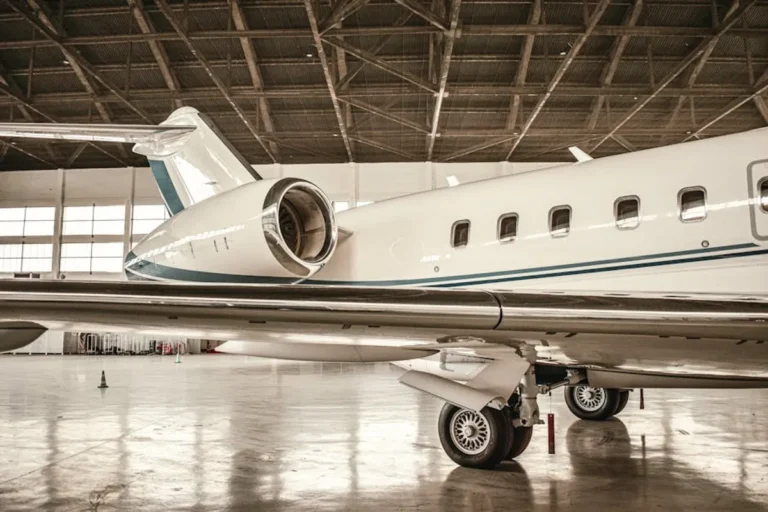
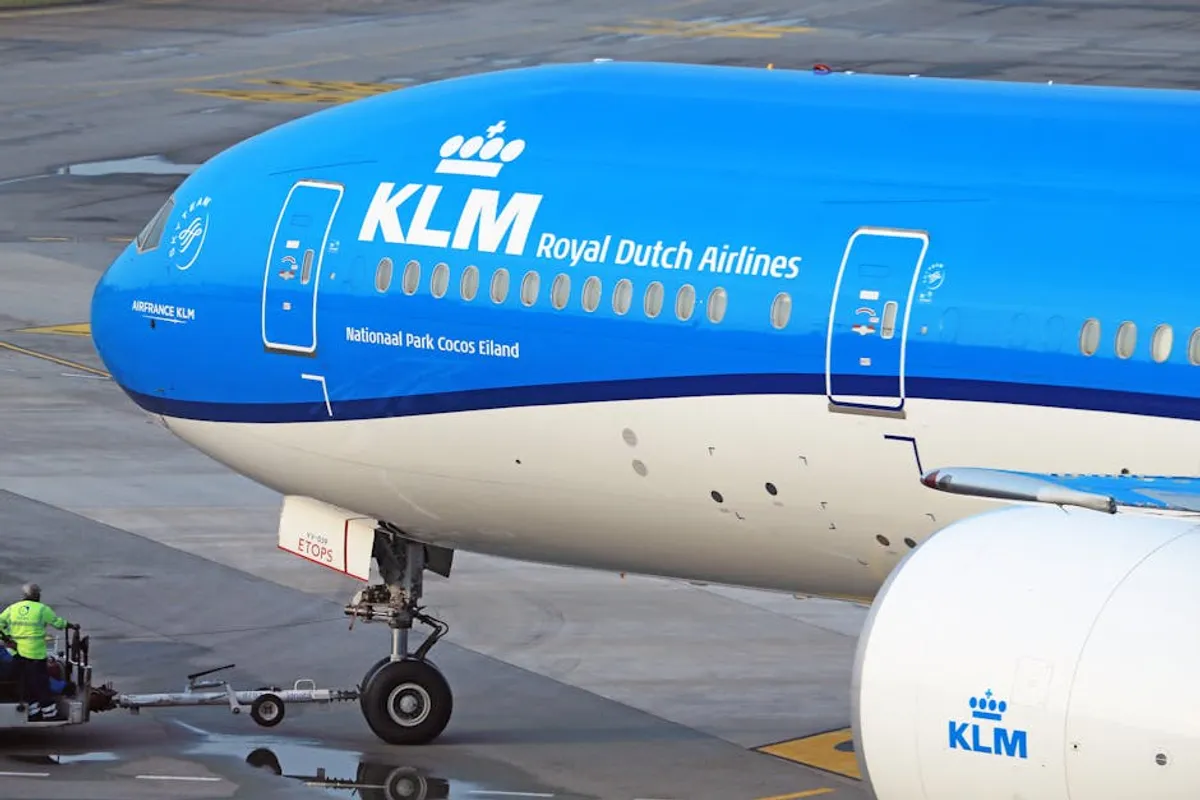
The most significant assets are typically the aircraft themselves. Royal Air Philippines has historically operated a fleet that includes Airbus A320 family aircraft. These may be offered for sale as complete, airworthy units, or for parts, depending on their condition, maintenance status, and remaining useful life. Key components like engines (e.g., CFM56, IAE V2500), landing gear, and avionics packages are often sold separately or as part of a package. The condition can vary from fully operational to requiring significant overhaul or suitable only for scrap, directly impacting their commercial value.
Ground Support Equipment (GSE)
Beyond aircraft, a liquidated airline possesses a range of ground support equipment essential for operations. This includes aircraft tugs, baggage loaders, passenger stairs, catering trucks, de-icing units, and various maintenance tools. These items are often less complex to acquire and integrate than aircraft, offering immediate operational utility for other airlines, MRO (Maintenance, Repair, and Overhaul) facilities, or airport service providers.
Operational and Intellectual Property Assets
Less tangible but potentially valuable assets include maintenance records, operational manuals, IT infrastructure, and even brand elements. In some cases, route authorities or slots might be transferable, although this is subject to strict regulatory approval and often complex legal frameworks. The acquisition of comprehensive maintenance records is particularly critical for aircraft buyers, as these documents are fundamental for establishing airworthiness and future operational compliance.
Key Specifications and Condition Assessments
Understanding the precise specifications and current condition of assets is paramount for accurate valuation and strategic planning.
Aircraft Specifications and Airworthiness
For aircraft, specifications include model, year of manufacture, total flight hours, and cycle counts. Critically, buyers must verify airworthiness status through detailed examination of maintenance logs, compliance with Airworthiness Directives (ADs), and Service Bulletins (SBs). Certification by relevant aviation authorities (e.g., CAAP in the Philippines, FAA, EASA) is non-negotiable for operational use. Any discrepancies or outstanding maintenance issues will significantly impact acquisition costs and timelines.
Component Condition and Life Limits
Individual components, especially engines and high-value parts, are assessed based on their remaining useful life (RL), time since last overhaul (TSO), and cycles since last overhaul (CSO). Documentation verifying these metrics is essential. Parts without proper traceability or certification are typically valued as scrap or for non-aviation uses, severely limiting their commercial application.
Valuation Factors
Asset valuation in a liquidation is influenced by several factors: current market demand for the specific asset type, its physical condition, age, complete maintenance history, and regulatory compliance. The urgency of the sale and the number of competing buyers also play a significant role. Expert appraisers specializing in aviation assets are often engaged to provide independent valuations.
Navigating the Acquisition Process
The acquisition of assets from a liquidation requires a structured approach, heavy on due diligence and strategic bidding.
Due Diligence Requirements
Pro Tip: Prioritize comprehensive due diligence. For aircraft assets, this means not only physical inspection but also a meticulous review of all maintenance logs, airworthiness directives, and service bulletins. Overlooking a single critical record can lead to significant unexpected costs or render an asset unusable.
Thorough due diligence is the most critical step. This involves physical inspection of assets, verification of all accompanying documentation (maintenance records, ownership titles, certifications), and legal review of the sale terms. Engaging aviation consultants, legal counsel specializing in asset acquisition, and technical experts is advisable to uncover any hidden liabilities or operational challenges.
Bidding and Negotiation Strategies
Liquidation sales typically proceed via auctions, sealed bids, or direct sales by a liquidator. Buyers must define their maximum acceptable price based on their due diligence findings and strategic objectives. Understanding the liquidator's priorities (e.g., speed of sale, maximizing total return) can inform negotiation tactics. Flexibility in payment terms or asset packaging might offer an advantage.
Legal and Regulatory Compliance
The transfer of ownership for aviation assets involves complex legal and regulatory hurdles. This includes ensuring clear title, compliance with international import/export regulations, and re-registration with aviation authorities in the new operating jurisdiction. Environmental regulations regarding hazardous materials or waste disposal must also be considered, particularly for older or damaged assets.
Practical Considerations for Buyers
Logistics and Transportation
Moving large assets like aircraft, engines, or specialized ground equipment presents significant logistical challenges. This requires detailed planning for disassembly (if necessary), specialized transport (e.g., heavy-lift cargo aircraft, ocean freight, oversize road transport), and secure storage. Costs associated with these logistics can be substantial and must be factored into the overall acquisition budget.
Post-Acquisition Integration
Once acquired, assets must be integrated into the buyer's existing operations. For aircraft, this involves potential re-painting, cabin modifications, re-registration, and obtaining new airworthiness certificates. For parts, it means entry into inventory systems and ensuring compatibility with existing fleets. This phase often requires significant engineering, maintenance, and administrative resources.
Financial Planning
Beyond the purchase price, buyers must account for a range of additional costs: due diligence expenses, legal fees, transportation, insurance, storage, necessary maintenance or overhauls, and re-certification. A comprehensive financial plan that anticipates these expenditures is essential to accurately assess the total cost of ownership and the viability of the acquisition.
Strategic Acquisition Through Liquidation
Acquiring assets from an airline liquidation, such as that of Royal Air Philippines, can offer strategic advantages, from fleet expansion to securing critical spare parts. Success hinges on a meticulous approach to due diligence, a clear understanding of asset condition and value, and adept navigation of the legal and logistical complexities. By leveraging expert advice and a robust acquisition strategy, buyers can transform another entity's cessation into a valuable opportunity for their own operations.
Frequently Asked Questions
What types of assets are typically available in an airline liquidation?
Common assets include aircraft (airframes, engines), spare parts inventories, ground support equipment (GSE), maintenance tooling, office equipment, and sometimes intellectual property like brand elements or operational manuals.
How is the value of an aircraft determined during liquidation?
Aircraft valuation considers factors such as model, age, total flight hours, cycle counts, maintenance history, compliance with airworthiness directives, current market demand, and overall physical condition.
What are the critical steps for due diligence when buying assets from a liquidated airline?
Critical steps involve physical inspection of assets, comprehensive review of all maintenance logs and certification documents, legal assessment of ownership titles, and evaluation of any outstanding liabilities or regulatory compliance issues.
Can route authorities or operating certificates be acquired from a liquidated airline?
While possible in some jurisdictions, the transfer of route authorities or operating certificates is highly complex, subject to stringent regulatory approval, and often involves significant legal and administrative hurdles.