
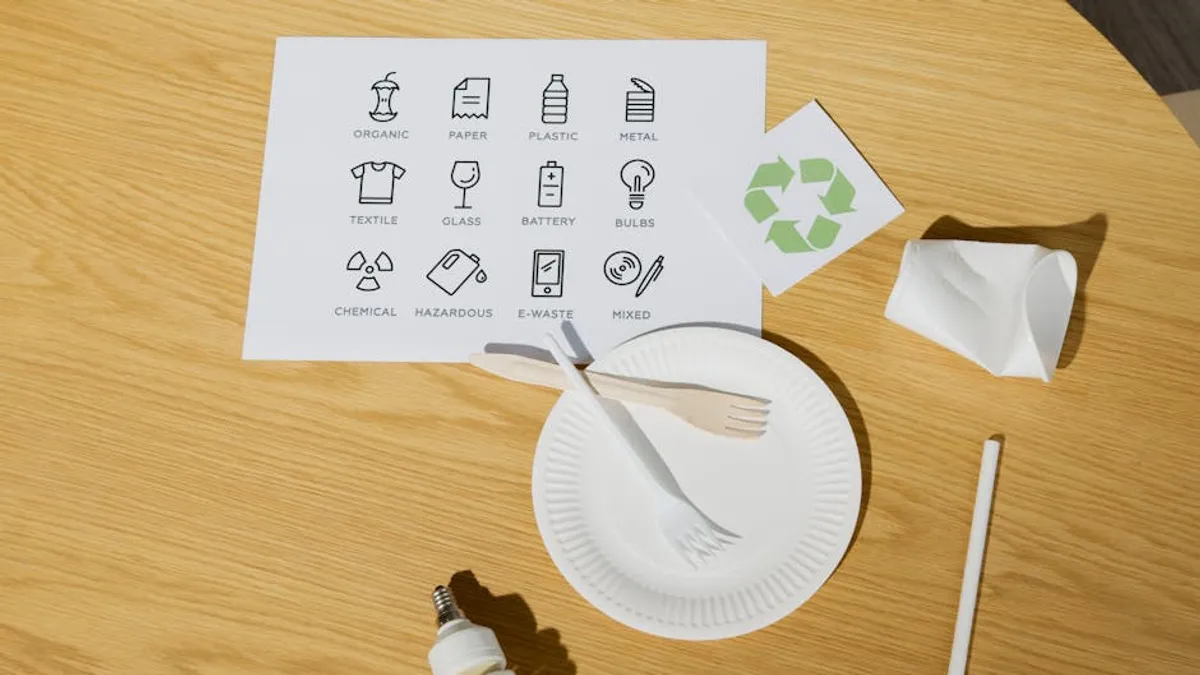
Small shops navigating the shift towards sustainable practices often face a critical decision: how to package products in a way that aligns with environmental values without compromising brand identity or operational efficiency. Compostable packaging offers a viable solution, moving beyond simple recyclability to materials that break down into organic matter, enriching soil rather than filling landfills. This transition requires understanding material science, supply chain logistics, and consumer perceptions. The challenge lies in identifying packaging types that are genuinely compostable, meet product protection needs, integrate with existing fulfillment processes, and remain cost-effective for smaller scale operations. Selecting the right materials involves evaluating certifications, shelf life implications, and end-of-life disposal realities to ensure claims of sustainability translate into actual environmental benefits.
What to Look For in Compostable Packaging
When selecting compostable packaging for a small shop, several factors dictate suitability and long-term viability. First, verify certifications such as BPI (Biodegradable Products Institute) or TÜV Austria’s OK Compost INDUSTRIAL/HOME labels. These certifications confirm that materials meet specific standards for disintegration and biodegradation within industrial or home composting environments. Without these, claims of "compostable" can be misleading. Second, consider the material's barrier properties. Packaging must adequately protect the product from moisture, oxygen, and physical damage, which can vary significantly between compostable options like corn starch-based films and mycelium-based inserts. Third, assess the material's printability and aesthetic qualities. The packaging serves as a direct extension of your brand, so it must accept inks and finishes that convey your desired image without flaking or fading. Fourth, evaluate the cost per unit. Compostable materials often carry a premium, so balancing sustainability goals with budgetary constraints is essential. Finally, understand the end-of-life infrastructure available to your customers. If industrial composting facilities are scarce in their area, "home compostable" options might be more practical, even if they offer different performance characteristics.
1. Corn Starch-Based Mailers
Corn starch-based mailers represent a direct alternative to traditional plastic poly mailers. These bags are typically made from PLA (polylactic acid), derived from renewable resources like corn starch, cassava, or sugarcane. They offer a similar tactile feel and flexibility to conventional plastic but are designed to break down in commercial composting facilities, often within 90-180 days. Their opaque nature provides privacy for contents, and they can be printed with water-based inks for branding. The material's inherent strength is suitable for shipping non-fragile items like apparel, books, or soft goods, providing a secure closure with self-adhesive strips.
Best for: Apparel, textiles, non-fragile goods, e-commerce shipping where industrial composting is accessible.
Pros:
- Direct replacement for plastic mailers, minimizing operational changes.
- Good strength and tear resistance for standard shipping.
- Printable surface allows for effective branding.
- Made from renewable resources, reducing reliance on fossil fuels.
Cons:
- Requires industrial composting facilities; not typically home compostable.
- Can be more expensive than conventional poly mailers.
- Degradation can be sensitive to extreme heat or humidity if not stored correctly.
Verdict: A practical, certified compostable solution for e-commerce, provided customers have access to industrial composting infrastructure. Its performance closely mirrors traditional options, making adoption straightforward.
2. Mycelium-Based Packaging
Mycelium packaging utilizes the root structure of mushrooms grown on agricultural waste, such as hemp hurds or corn stalks. This material is molded into custom shapes and then dried, creating a lightweight, durable, and naturally compostable protective packaging. It excels as an alternative to expanded polystyrene (EPS) foam, offering superior cushioning and impact absorption for fragile items. The production process is low-energy, and the resulting material is fully home compostable, breaking down completely into garden soil within weeks.
Best for: Fragile goods, electronics, cosmetics, custom inserts, replacing EPS foam.
Pros:
- Exceptional cushioning and protective properties for fragile products.
- 100% home compostable, eliminating the need for industrial facilities.
- Made from agricultural waste, diverting materials from landfills.
- Low energy manufacturing process.
Cons:
- Limited to custom-molded shapes; not suitable for flexible packaging.
- Surface finish can be rustic, which may not suit all brand aesthetics.
- Higher initial tooling costs for custom molds.
Verdict: An innovative, highly protective, and genuinely home-compostable option ideal for businesses seeking to replace foam inserts and willing to invest in custom solutions for delicate products.
3. Seed Paper Packaging
Seed paper is a unique compostable material embedded with plant seeds. After use, the packaging can be planted, and with proper care, the seeds germinate and grow into flowers, herbs, or vegetables. This creates an interactive and memorable unboxing experience, transforming waste into new life. It's typically made from post-consumer waste paper, making it both recycled and compostable. While not suitable for direct product protection, it serves well for hang tags, labels, product wraps, or promotional inserts.
Best for: Tags, labels, greeting cards, promotional inserts, secondary packaging, adding experiential value.
Pros:
- Creates a unique, interactive, and memorable brand experience.
- Made from recycled materials and is fully biodegradable.
- Adds a tangible "green" story to products.
- Wide variety of seed types available.
Cons:
- Limited structural integrity; not suitable for primary product protection.
- Requires specific care instructions for planting, which customers may not follow.
- Can be more expensive than standard paper options.
Verdict: A powerful tool for brand storytelling and customer engagement, particularly effective for products where the packaging itself can become part of the experience, rather than just a protective layer.
4. Bagasse (Sugarcane Pulp) Containers
Bagasse packaging is derived from the fibrous residue left after sugarcane stalks are crushed to extract juice. This material is pressed into various shapes, including clamshell containers, plates, and bowls. It's robust, grease-resistant, and microwave-safe, making it an excellent choice for food service. Bagasse is typically certified as home compostable and industrial compostable, breaking down quickly without leaving toxic residues. Its natural, unbleached appearance often aligns with eco-conscious brand aesthetics.
Best for: Food service, takeout containers, catering, dry goods, direct food contact packaging.
Pros:
- Strong, durable, and resistant to grease and moisture.
- Suitable for both hot and cold foods.
- Home and industrial compostable certification is common.
- Made from a rapidly renewable agricultural byproduct.
Cons:
- Can be bulkier than plastic alternatives, impacting storage space.
- May not offer the same level of transparency as plastic for product visibility.
- Can be susceptible to moisture saturation over very long periods.
Verdict: A highly versatile and genuinely compostable option for food-related businesses, offering excellent performance characteristics and a clear environmental narrative.
5. PLA (Polylactic Acid) Films and Clear Containers
PLA is a bioplastic derived from fermented plant starch, often corn. It can be processed into clear films, rigid containers, and even bottles, providing transparency similar to conventional petroleum-based plastics. This allows for product visibility, which is crucial for many retail items like baked goods, salads, or small accessories. PLA is typically industrial compostable, requiring specific conditions to break down efficiently. It offers good barrier properties for dry or chilled goods but can become brittle at low temperatures or warp at high temperatures.
Best for: Product visibility, clear windows, cold food containers, small item packaging, dry goods where transparency is key.
Pros:
- Offers transparency, allowing customers to see the product.
- Can be thermoformed into various shapes.
- Made from renewable resources.
- Good barrier properties for certain applications.
Cons:
- Requires industrial composting facilities for proper degradation.
- Not suitable for hot foods or high-temperature environments.
- Can be brittle in cold conditions.
Verdict: A valuable option for small shops needing clear packaging, but its reliance on industrial composting and temperature sensitivities require careful application planning.
6. Kraft Paper with Bio-liners
Traditional kraft paper is widely recyclable, but when moisture or grease barriers are needed, it often incorporates plastic linings. Compostable alternatives use bio-based linings, such as PLA or other plant-derived coatings, to provide these barriers while maintaining compostability. This combination allows for flexible pouches, coffee bags, and food wraps that offer protection against moisture and oxygen. The outer kraft layer provides a natural, earthy aesthetic and an excellent surface for printing.
Best for: Coffee bags, snacks, dry food pouches, retail product wraps requiring a moisture barrier.
Pros:
- Combines the natural aesthetic of kraft paper with functional barrier properties.
- Printable surface for strong branding.
- Offers protection against moisture and oxygen for various products.
- Generally industrial compostable.
Cons:
- Compostability depends entirely on the bio-liner material; careful sourcing is crucial.
- Still requires industrial composting facilities.
- Barrier properties may not match multi-layer conventional plastics for all applications.
Verdict: A practical choice for products needing a protective pouch or wrap, offering a balance of natural aesthetics and functional performance, contingent on effective bio-liner technology and industrial composting access.
7. Compostable Labels and Adhesives
Even if the primary packaging is compostable, a non-compostable label or adhesive can contaminate the composting stream. Specialized compostable labels are made from materials like PLA or cellulose, paired with compostable adhesives. These ensure that the entire package, including branding elements, can break down without leaving behind microplastics or other contaminants. They are available in various finishes and can be printed with eco-friendly inks, maintaining brand consistency.
Best for: Any product using compostable primary packaging, ensuring full package compostability.
Pros:
- Ensures the entire product package is compostable.
- Available in various sizes, shapes, and finishes.
- Can be printed with eco-friendly inks for branding.
- Prevents contamination of composting streams.
Cons:
- Can be more expensive than conventional labels.
- Adhesive performance may differ slightly from traditional options in extreme conditions.
- Requires careful sourcing to ensure both label and adhesive are certified compostable.
Verdict: An essential component for any small shop committed to fully compostable packaging, preventing contamination and upholding the integrity of sustainability claims.
8. Seaweed-Based Packaging
Seaweed-based packaging is an emerging innovation that leverages the abundant and rapidly renewable resource of seaweed. Materials derived from seaweed can be formed into films, coatings, or even rigid containers. Some formulations are edible, while others are designed to dissolve in water or compost rapidly in a home environment. This type of packaging offers excellent oxygen barrier properties and can be a strong contender for food products, particularly those needing protection from oxidation.
Best for: Food products, single-serve portions, sachets, applications requiring high oxygen barrier, innovative branding.
Pros:
- Made from a rapidly renewable and carbon-sequestering resource.
- Some formulations are edible or water-soluble, offering unique end-of-life options.
- Excellent oxygen barrier properties.
- Novel and highly sustainable brand story.
Cons:
- Still a relatively new technology; availability and scalability can be limited.
- Cost can be higher due to specialized manufacturing.
- Sensitivities to moisture might limit certain applications.
Verdict: A cutting-edge option for brands looking to differentiate with highly sustainable and innovative packaging, particularly for food items, though availability and cost require careful consideration.
9. Recycled Cardboard with Compostable Inks
While cardboard is widely recyclable, using recycled content cardboard enhances its environmental profile. When combined with certified compostable inks and coatings, it can also become a fully compostable solution. This approach is ideal for outer boxes, product sleeves, and inserts that do not require moisture or grease barriers. The strength and versatility of cardboard allow for various structural designs, and the use of compostable inks ensures that the entire unit can break down without introducing harmful chemicals into the soil.
Best for: Secondary packaging, product boxes, sleeves, inserts, shipping cartons, dry goods.
Pros:
- Utilizes recycled content, closing the loop on material use.
- Strong, versatile, and easily customizable for branding.
- Compostable inks prevent contamination during degradation.
- Widely accepted and understood by consumers.
Cons:
- Not suitable for products requiring moisture or grease barriers without additional compostable coatings.
- Compostability depends on both the board and all print/coatings.
- Can be less durable than plastic for certain applications.
Verdict: A foundational compostable packaging choice for many small shops, leveraging familiar materials with enhanced environmental credentials through careful ink and coating selection.
10. Wood Pulp/Cellulose Films
Films made from wood pulp or cellulose are another plant-based alternative to plastic films. These materials, often derived from sustainably managed forests, are transparent or semi-transparent and can be used for wrapping, window patches, or flexible pouches. They are typically certified home compostable, offering a clear advantage over PLA for consumers without industrial composting access. While they provide good breathability, their barrier properties against moisture and oxygen are generally lower than multi-layer plastic films.
Best for: Fresh produce, baked goods, gift wrapping, window patches, products needing breathability.
Pros:
- Derived from a renewable resource (wood pulp).
- Often certified home compostable.
- Provides breathability, good for fresh items.
- Transparent for product visibility.
Cons:
- Lower barrier properties compared to some plastic films, limiting shelf life for certain products.
- Can be prone to tearing if not handled carefully.
- Moisture sensitivity can affect integrity.
Verdict: A strong home-compostable option for products where breathability is beneficial and high barrier properties are not critical, offering transparency and a clear path to end-of-life disposal.
11. Palm Leaf Plates and Containers
Palm leaf packaging is crafted from fallen Areca palm leaves, which are collected, cleaned, and heat-pressed into various shapes without chemicals or binders. This process utilizes a natural waste product, making it highly sustainable. The resulting plates, bowls, and containers are sturdy, naturally water-resistant, and suitable for both hot and cold foods. They are fully home compostable and biodegradable, returning to the earth as nutrient-rich soil. Their rustic, natural aesthetic is a key selling point for many eco-conscious brands.
Best for: Event catering, food service, single-use tableware, dry goods, products where a natural aesthetic is desired.
Pros:
- Made from naturally fallen leaves, a true waste-to-resource solution.
- Robust, water-resistant, and suitable for hot and cold foods.
- 100% home compostable and biodegradable.
- Unique, natural, and premium aesthetic.
Cons:
- Can be more expensive than conventional single-use options.
- Availability can fluctuate based on harvest cycles.
- Consistency in shape and color can vary due to natural material.
Verdict: An excellent choice for food service and events where a premium, natural, and undeniably compostable solution is prioritized, offering both functionality and a strong environmental story.
12. Compostable Bubble Wrap Alternatives
Traditional bubble wrap, made from plastic, is a significant source of waste. Compostable alternatives typically use materials like corrugated paper, shredded paper, or innovative starch-based foams to provide cushioning. Corrugated paper can be scored and folded to create protective structures, while shredded paper offers void fill. Starch-based foams, similar to packing peanuts, dissolve in water or compost readily. These options ensure product safety during transit while aligning with compostability goals.
Best for: Void fill, cushioning, protecting fragile items during shipping, replacing plastic bubble wrap.
Pros:
- Provides effective cushioning and void fill.
- Eliminates plastic waste from protective packaging.
- Many options are home compostable or water-soluble.
- Can often be sourced from recycled content.
Cons:
- Paper-based options can be heavier and bulkier than plastic bubble wrap.
- Starch-based foams can be sensitive to moisture.
- May require more space for storage compared to rolled bubble wrap.
Verdict: Crucial for any small shop shipping fragile items, offering diverse solutions to replace plastic cushioning and complete a fully compostable shipping experience.
Choosing the Right Compostable Packaging Partner
Selecting a compostable packaging provider involves more than just material choice; it requires evaluating their commitment to sustainability, product range, and customer support. Prioritize suppliers who offer clear certifications for their products, demonstrating adherence to industrial or home composting standards. Inquire about minimum order quantities (MOQs) and lead times, as these can significantly impact a small shop's inventory management and cash flow. A partner with a diverse product portfolio can simplify sourcing by allowing you to consolidate different packaging needs. Discuss customization options for branding, including printing capabilities and eco-friendly ink choices. Finally, consider their expertise in guiding you through the complexities of compostable materials, including proper disposal instructions for your customers. A knowledgeable partner can help you communicate the benefits and requirements of compostable packaging effectively, reinforcing your brand's commitment to environmental responsibility.
Frequently Asked Questions
What is the difference between biodegradable and compostable?
Biodegradable means a material will break down into natural elements, but it doesn't specify a timeframe or whether it leaves behind toxic residues. Compostable means a material will break down into non-toxic, nutrient-rich soil within a specific timeframe under specific conditions (either industrial or home composting), as certified by organizations like BPI or TÜV Austria.
Is compostable packaging always more expensive than traditional packaging?
Often, yes, compostable packaging can have a higher unit cost due to specialized materials, smaller production scales, and certification processes. However, costs are decreasing as demand grows and technology improves. The perceived value and brand loyalty generated by sustainable packaging can offset these higher material costs.
How do I ensure my customers properly dispose of compostable packaging?
Clear communication is key. Provide explicit instructions on your packaging, website, and order inserts. Specify whether the item is industrial or home compostable and, if possible, direct customers to resources for finding local composting facilities. Education helps customers understand the "why" behind the packaging choice and how to complete its lifecycle responsibly.
Can I use compostable packaging for all my products?
While many compostable options exist, some products with very specific barrier requirements (e.g., long shelf-life liquids, highly sensitive pharmaceuticals) may still pose challenges for fully compostable solutions. Always evaluate the specific needs of your product against the performance characteristics and certifications of the compostable material. It's often a phased transition rather than an immediate switch for all items.
What certifications should I look for?
For industrial compostability, look for certifications from the Biodegradable Products Institute (BPI) in North America or the "Seedling" logo from TÜV Austria (formerly Vinçotte) in Europe, which adhere to ASTM D6400 or EN 13432 standards. For home compostability, look for TÜV Austria's "OK Compost HOME" certification.
Does compostable packaging have a shorter shelf life?
Some compostable materials can be more sensitive to environmental factors like heat, humidity, or UV light, which can affect their integrity over time. However, advancements in material science are continually improving the durability and shelf life of compostable packaging, making it suitable for a wide range of applications without significant compromise.