
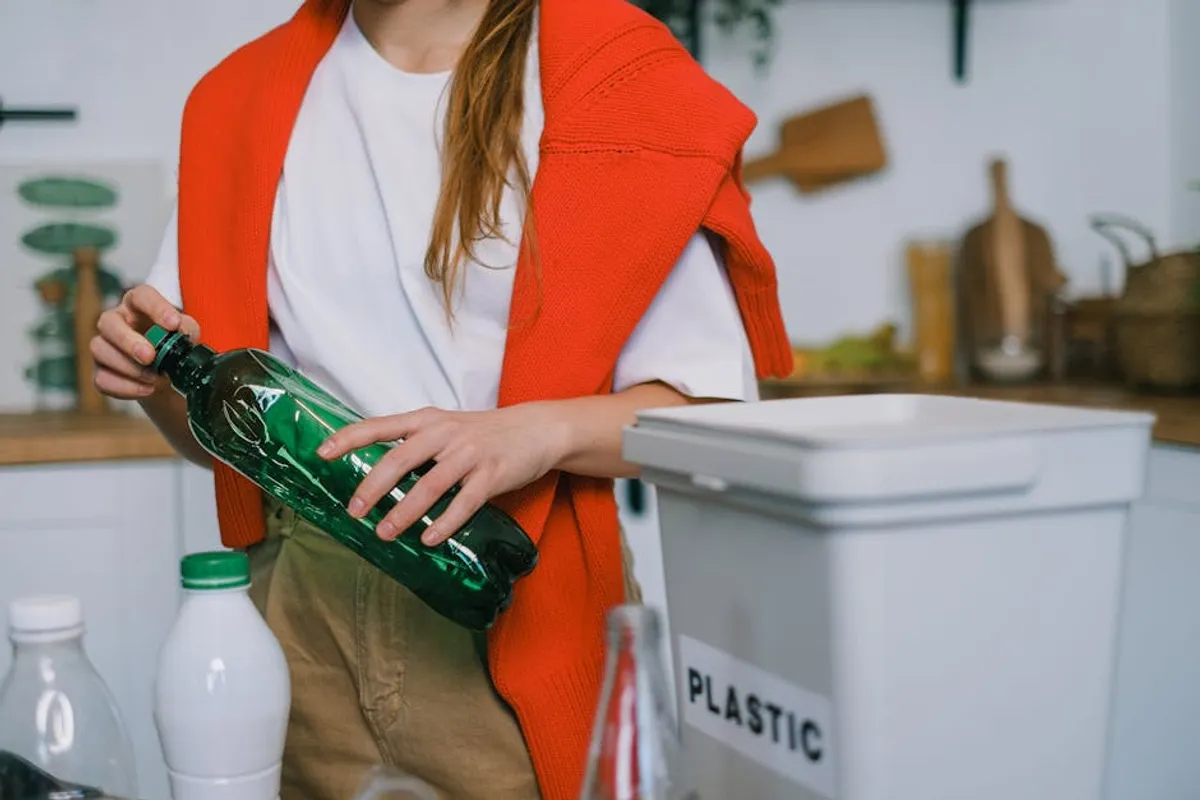
The selection of packaging materials directly impacts a brand's environmental footprint, operational costs, and consumer perception. With increasing regulatory pressure and consumer demand for sustainability, businesses must differentiate between compostable, recyclable, and reusable packaging options. Each category offers distinct advantages and presents specific logistical and infrastructural considerations, requiring a clear understanding to align with product needs and sustainability goals.
Compostable Packaging Explained
Compostable packaging is designed to break down into organic matter, carbon dioxide, and water under specific conditions, leaving no toxic residue. This process relies on microbial activity. Its primary benefit is diverting organic waste from landfills, thereby reducing methane emissions and returning nutrients to the soil.
Industrial Composting
This process requires controlled environments with high heat and specific moisture levels, typically found in commercial composting facilities. Materials certified for industrial composting (e.g., PLA, PHA, some cellulose-based films) will not break down effectively in a home compost pile or landfill. Access to appropriate industrial composting infrastructure is a significant limitation, as it is not universally available.
Home Composting
Materials designed for home composting degrade at lower, less consistent temperatures, often requiring more time. These are typically thinner, less complex structures. Misdirection of compostable packaging to landfills or recycling streams can cause contamination, undermining its environmental benefit.
Certification: Look for certifications like ASTM D6400 (North America) or EN 13432 (Europe), which verify that materials will fully biodegrade within a set timeframe in industrial composting facilities.
Recyclable Packaging Explained
Recyclable packaging can be collected, processed, and remanufactured into new products, reducing the need for virgin materials. The effectiveness of recycling depends heavily on material type, collection infrastructure, and consumer sorting habits, conserving natural resources and reducing landfill waste.
Plastic Recycling
Common types include PET (1), HDPE (2), and PP (5). Each requires specific processing. Mixed or contaminated plastics are often not recycled. Clear, single-polymer plastics generally have higher recycling rates. A persistent challenge is the "downcycling" of some materials, meaning they lose quality with each recycling loop.
Paper and Cardboard Recycling
Widely recycled, but contamination from food residue, grease, or non-paper coatings (e.g., wax, plastic laminates) can render them unrecyclable. The integrity of the fiber is crucial for effective recycling.
Glass and Metal Recycling
Both are highly recyclable and can be processed repeatedly without significant loss of material quality. Glass requires color sorting, and metal (aluminum, steel) is valuable for its energy savings in production compared to producing new metals. Recycling infrastructure for these materials is generally more established.
Labeling: Standardized symbols (e.g., Resin Identification Codes for plastics, How2Recycle labels) guide consumers, but local facility capabilities dictate actual recyclability. Recycling infrastructure varies significantly by region.
Reusable Packaging Explained
Reusable packaging is designed for multiple cycles of use, either by the original consumer or through a reverse logistics system where the packaging is returned, cleaned, refilled, and redistributed. This approach prioritizes waste prevention at the source, significantly reducing single-use waste.
Consumer-Owned Models
Shoppers purchase durable containers (e.g., glass jars, fabric bags) and refill them at stores offering bulk products. This model relies on consumer commitment and access to refill stations.
Return-and-Refill Systems
Brands or retailers manage a closed-loop system where packaging is returned after use, sanitized, and refilled. Examples include beverage bottles, meal kit containers, or industrial pallets. This requires robust logistics for collection, cleaning, and redistribution, along with critical hygiene and cleaning standards.
Deposit-Return Schemes
Consumers pay a small deposit on packaging, which is refunded upon return, incentivizing high return rates. This model has proven effective in achieving high return and reuse rates for specific product categories.
Reusable packaging can lead to long-term cost savings for businesses by amortizing packaging costs over many uses and enhancing brand loyalty through convenience or perceived value. However, initial investment in durable packaging can be higher, and consumer adoption depends on convenience and clear incentives.
Pro Tip: When evaluating sustainable packaging, conduct a full lifecycle assessment (LCA) rather than focusing solely on end-of-life disposal. An LCA considers raw material extraction, manufacturing, transportation, use, and disposal. A "recyclable" material transported thousands of miles, for example, might have a higher overall environmental impact than a locally sourced, industrially compostable alternative.
Choosing the Right Packaging Strategy
Selecting the optimal packaging approach involves balancing product requirements, supply chain realities, and sustainability objectives.
Product Protection
The primary function of packaging is to protect the product. Fragile items require robust solutions; moisture-sensitive goods need barrier properties to maintain product integrity and shelf life.
Supply Chain Integration
Assess how packaging interacts with existing logistics, storage, and handling systems. Reusable packaging, for instance, demands reverse logistics capabilities and may require changes to warehousing and distribution processes.
Consumer Access and Behavior
Consider whether your target audience has access to industrial composting facilities or robust recycling programs. Reusable systems require consumer participation and convenience, often through clear instructions and accessible return points.
Cost Implications
Evaluate not just the per-unit cost of packaging, but also costs associated with shipping weight, damage rates, and end-of-life management. Reusable options often have higher upfront costs but lower long-term per-use costs. The total cost of ownership, including environmental impact, should be considered.
Brand Messaging and Regulatory Compliance
Ensure packaging choices align with brand values and meet evolving environmental regulations and labeling requirements in target markets. Authentic sustainability claims build consumer trust.
Best for:
- Compostable: Food waste, agricultural products, single-use items where recycling is impractical, or where organic waste streams are well-established.
- Recyclable: Products with established, efficient recycling streams (e.g., beverages in PET bottles, aluminum cans, glass jars), durable goods, or items where material value can be retained.
- Reusable: High-volume, frequently purchased goods, closed-loop delivery systems, e-commerce, or products where consumer interaction can be incentivized for return.
Navigating Sustainable Packaging Decisions
The transition to more sustainable packaging is a continuous process, not a one-time decision. Start by auditing current packaging, identifying key impact areas, and setting measurable goals. Collaborate with packaging suppliers to explore material innovations and design for circularity. Educate consumers clearly on proper disposal or return protocols to maximize the effectiveness of your chosen strategy. Prioritize solutions that offer verifiable environmental benefits and integrate seamlessly into both your operational model and your customers' routines.
Frequently Asked Questions
- What is the primary difference between biodegradable and compostable?
Biodegradable materials simply break down into smaller pieces over time, but these pieces may leave behind toxic residues or microplastics. Compostable materials are a subset of biodegradable that break down into natural elements in a specific timeframe, leaving no harmful residues, and often enrich the soil. - Are all plastics with a recycling symbol actually recyclable?
No. The recycling symbol (Resin Identification Code) indicates the type of plastic resin, not necessarily that it is accepted by all local recycling facilities. Actual recyclability depends on local infrastructure and market demand for that specific plastic type. - How can businesses encourage consumers to participate in reusable packaging schemes?
Incentives such as deposit refunds, loyalty points, or discounts on refills are effective. Convenience is also key; provide clear instructions, accessible return points, and ensure the reusable packaging itself is user-friendly and appealing. - Is sustainable packaging always more expensive?
Initial costs for sustainable packaging materials or reusable systems can be higher. However, long-term costs can be lower through reduced waste disposal fees, improved brand perception, and in the case of reusable packaging, amortized costs over many cycles. The total cost of ownership, including environmental impact, should be considered.