
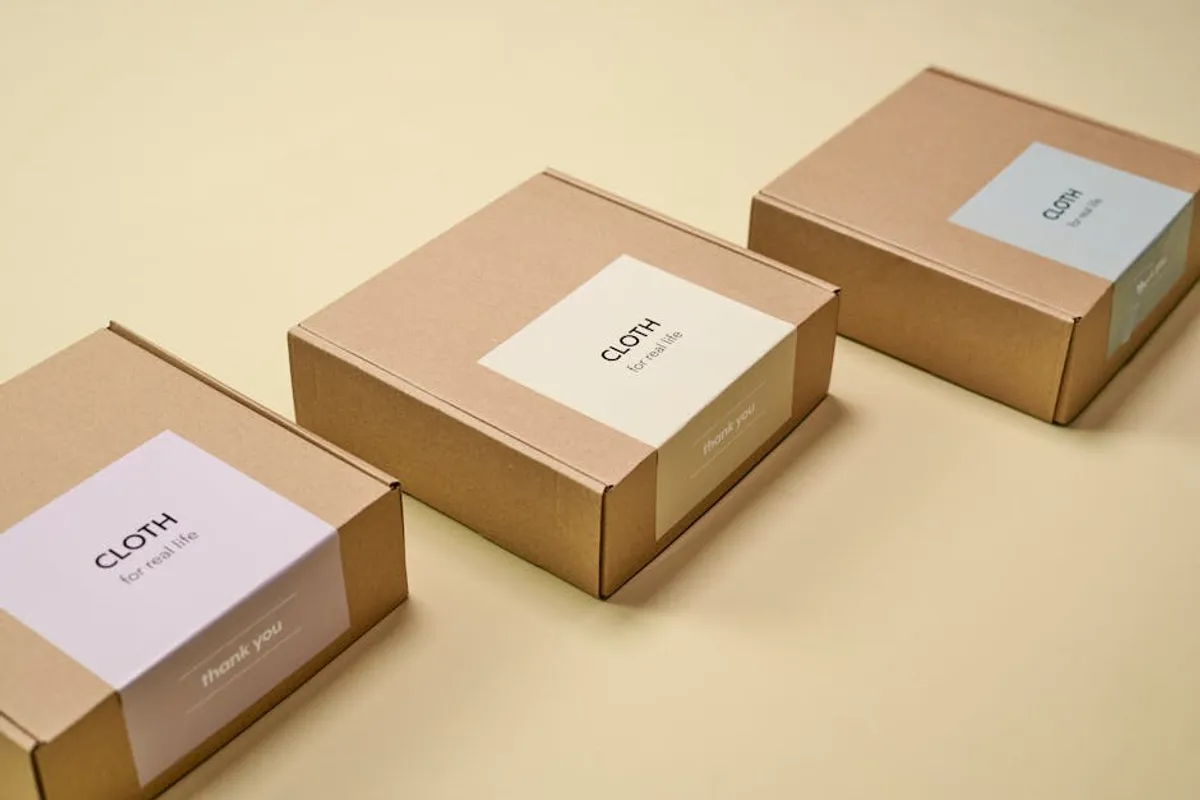
Custom packaging extends beyond mere product protection; it is a critical component of brand identity, customer experience, and operational efficiency. For businesses, selecting the right custom packaging involves a series of strategic decisions that impact cost, market perception, and sustainability goals. This guide outlines the essential considerations for businesses navigating the custom packaging landscape, ensuring informed choices that align with commercial objectives. Understanding custom packaging versus alternatives helps ensure you select the most effective solution for your needs.
Defining Your Custom Packaging Needs
Before engaging with suppliers, a clear internal assessment of your product and brand requirements is paramount. This foundational step dictates material choices, structural design, and aesthetic execution.
Product Characteristics and Protection Requirements
The primary function of packaging is to protect the product during transit and storage. Evaluate your product's specific vulnerabilities:
- Size and Weight: Determines the structural integrity needed. Larger, heavier items require more robust materials and construction.
- Fragility: Delicate items necessitate cushioning, inserts, or multi-layered protection to absorb shocks and prevent movement.
- Environmental Factors: Consider exposure to moisture, temperature fluctuations, light, and potential contaminants. Packaging for food, pharmaceuticals, or sensitive electronics will have specific barrier requirements.
- Shelf Life: For perishable goods, packaging must extend product freshness and prevent spoilage.
Brand Identity and Aesthetic Goals
Packaging is a tangible representation of your brand. Its design communicates value, quality, and brand personality:
- Visual Language: Incorporate your brand's color palette, typography, and logo prominently. Consistency reinforces brand recognition.
- Material Texture and Finish: The tactile experience of packaging contributes to perceived quality. Options range from matte to glossy, smooth to embossed, each conveying a different message.
- Unboxing Experience: Design the opening sequence to be intuitive and engaging. This can involve custom inserts, tissue paper, or strategically placed messaging to enhance customer delight.
- Market Positioning: Is your brand luxury, minimalist, eco-friendly, or playful? The packaging should reflect this positioning to attract the intended audience.
Target Audience and Market Positioning
Understanding who you are selling to helps tailor packaging for maximum impact. A premium product aimed at discerning consumers might justify higher-cost materials and intricate finishes, while a mass-market item may prioritize cost-efficiency and recyclability. Research competitor packaging to identify differentiation opportunities and market expectations.
Material Selection and Sustainability Considerations
The choice of material affects cost, protection, and environmental footprint. A balanced approach considers all three.
Common Packaging Materials
Each material offers distinct properties and aesthetic potential:
- Corrugated Cardboard: Versatile, cost-effective, and recyclable. Available in various strengths (e.g., single-wall, double-wall) for different protection levels. Ideal for shipping boxes and product cartons.
- Rigid Boxes: Made from high-density paperboard, these are non-collapsible and offer a premium feel. Often used for luxury goods, electronics, or gift sets.
- Flexible Packaging: Pouches, bags, and wraps made from films or laminates. Lightweight, cost-effective for shipping, and offers excellent barrier properties for food and liquids.
- Glass: Provides excellent barrier protection and a premium, reusable aesthetic for beverages, cosmetics, and food. Heavier and more fragile than other options.
- Metal (Aluminum, Tinplate): Durable, recyclable, and offers superior barrier protection. Commonly used for cans, tins, and specialized containers.
Sustainable Options and Certifications
Consumer demand for eco-friendly packaging is increasing. Incorporating sustainable materials can enhance brand reputation and appeal to a broader market:
- Recycled Content: Materials made from post-consumer or post-industrial waste reduce reliance on virgin resources.
- Recyclable: Packaging designed to be easily processed in existing recycling streams. Clearly label with recycling instructions.
- Compostable/Biodegradable: Materials that break down naturally in industrial or home composting environments. Ensure certifications like BPI or TÜV Austria are present.
- Forest Stewardship Council (FSC) Certified: Guarantees paper and wood products come from responsibly managed forests.
Pro Tip: When evaluating sustainable packaging, balance environmental impact with product protection and cost. A compostable pouch that fails to protect its contents, leading to product waste, negates its sustainability benefits. Prioritize materials that meet performance requirements first, then optimize for environmental attributes.
Design and Functionality
Effective custom packaging combines visual appeal with practical utility.
Structural Design
The physical structure of your packaging impacts manufacturing, shipping, and user interaction:
- Ease of Assembly: For businesses that pack in-house, packaging that is quick and easy to assemble reduces labor costs.
- Protection: Structural elements like inserts, dividers, and custom fitments secure products and prevent damage.
- Stackability and Shipping Efficiency: Designs that optimize space reduce shipping costs and storage requirements.
- Tamper-Evident Features: For sensitive products, seals or features that indicate tampering are crucial.
Graphic Design and Printing Techniques
High-quality graphics are essential for brand communication:
- Color Accuracy: Ensure brand colors are reproduced consistently. Specify Pantone Matching System (PMS) colors for critical elements.
- Printing Methods:
- Digital Printing: Cost-effective for small runs, variable data, and quick turnarounds.
- Offset Printing: Ideal for large volumes, offering superior color fidelity and consistency.
- Flexographic Printing: Common for corrugated boxes and flexible packaging, suitable for large runs and simpler designs.
- Finishing Touches: Embossing, debossing, foil stamping, spot UV, and soft-touch coatings add tactile and visual sophistication.
User Experience (UX) and Unboxing
A positive unboxing experience can foster customer loyalty and generate social media buzz. Consider:
- Ease of Opening: Packaging should be easy to open without requiring tools, but secure enough to prevent accidental spills.
- Reusability: Can the packaging be repurposed by the customer? This adds value and extends brand interaction.
- Perceived Value: Thoughtful design and quality materials elevate the perceived value of the product inside.
Cost Factors and Supplier Evaluation
Understanding cost drivers and vetting suppliers thoroughly are critical for a successful project.
Key Cost Components
Custom packaging costs are influenced by several factors:
- Material Costs: Driven by type, thickness, and sustainability attributes.
- Design and Tooling: One-time costs for custom dies, plates, or molds.
- Printing and Finishing: Complexity of graphics, number of colors, and special finishes.
- Minimum Order Quantities (MOQs): Suppliers often have MOQs due to production setup costs. Smaller runs typically have higher per-unit costs.
- Shipping and Logistics: Freight costs, especially for bulky or heavy packaging, can significantly impact the total.
Vetting Potential Suppliers
Choosing the right packaging partner is as important as the design itself. Evaluate suppliers based on:
- Experience and Specialization: Do they have a proven track record with products similar to yours?
- Production Capabilities: Can they meet your volume requirements, material specifications, and printing needs?
- Quality Control: What processes do they have in place to ensure consistent quality? Request samples of their work.
- Lead Times: Understand their typical production and delivery schedules, especially for initial orders and reorders.
- Communication and Support: A responsive and collaborative supplier simplifies the process.
- Sample Availability: Most reputable suppliers offer samples or prototypes for approval before full production.
Practical Steps for a Successful Custom Packaging Project
Embarking on a custom packaging project requires methodical execution. Begin by clearly defining your product's needs, brand aesthetic, and target audience. Develop detailed specifications for materials, dimensions, and graphic elements. Engage with multiple suppliers, requesting quotes and samples to compare quality, cost, and lead times. Always secure pre-production samples for final approval, ensuring the physical packaging aligns with your vision and protects your product effectively. Clear communication with your chosen supplier throughout the process minimizes errors and ensures timely delivery, ultimately contributing to a positive brand experience for your customers.
Frequently Asked Questions
How long does custom packaging typically take to produce?
Lead times vary significantly based on material, complexity, order volume, and supplier. Simple custom boxes might take 2-4 weeks, while complex designs with specialized finishes could require 6-12 weeks or more, especially for initial tooling and sampling.
What are typical Minimum Order Quantities (MOQs) for custom packaging?
MOQs depend on the packaging type and supplier's capabilities. Digital printing allows for lower MOQs (sometimes as few as 50-100 units), while offset or flexographic printing for custom structures often starts at 500-1,000 units, or even several thousand for highly specialized items.
How can businesses reduce custom packaging costs?
Cost reduction strategies include simplifying designs, opting for standard material thicknesses, choosing fewer printing colors, increasing order volume to leverage economies of scale, and exploring local suppliers to reduce shipping expenses.
What is the difference between digital and offset printing for packaging?
Digital printing uses toner or liquid ink for direct application from a digital file, ideal for small runs, variable data, and quick turnarounds. Offset printing transfers ink from plates to a rubber blanket, then to the substrate, offering superior color accuracy and cost-effectiveness for large volumes.