Businesses evaluating packaging solutions face a critical decision: invest in fully custom packaging or opt for one of its numerous alternatives. This choice directly impacts brand perception, operational costs, product protection, and supply chain efficiency. While custom packaging offers unparalleled brand alignment and a premium unboxing experience, it often comes with higher minimum order quantities (MOQs), longer lead times, and increased unit costs. Conversely, alternatives can provide cost efficiencies, faster deployment, and greater flexibility, though they may require compromises on brand integration or specific protective features. Understanding the trade-offs between bespoke solutions and more standardized approaches is essential for aligning packaging strategy with overall business objectives and budget constraints.
What to Look For in Packaging Alternatives
When assessing alternatives to fully custom packaging, several factors dictate suitability and long-term value. These considerations move beyond initial cost to encompass operational impact and brand experience.
- Cost Efficiency: Evaluate not just the per-unit price, but also tooling costs, storage requirements, and shipping expenses. Alternatives often reduce upfront investment and MOQs.
- Brand Integration: Determine how effectively the alternative can carry brand messaging, colors, and logos. This includes options for printing, labeling, or incorporating brand elements into the packaging structure.
- Product Protection: Assess the alternative's ability to safeguard the product during transit and storage. This involves material strength, cushioning properties, and resistance to environmental factors.
- Scalability and Flexibility: Consider how easily the packaging solution can adapt to fluctuating order volumes or product variations. Standardized options typically offer greater agility.
- Sustainability Profile: Examine the environmental impact of materials used, recyclability, biodegradability, and potential for reuse. Many alternatives offer readily available eco-friendly options.
- Lead Times and Supply Chain: Analyze the time required from order placement to delivery. Shorter lead times for alternatives can improve inventory management and responsiveness.
- Customer Experience: While not fully custom, alternatives can still contribute positively to the unboxing experience through thoughtful design, inserts, or secondary packaging elements.
- Minimum Order Quantities (MOQs): For smaller businesses or new product launches, lower MOQs offered by alternatives can significantly reduce financial risk and inventory burden.
1. Stock Packaging with Custom Labels
This approach involves purchasing standard, off-the-shelf boxes, bags, or containers and applying custom-designed labels or stickers. The core packaging remains generic, while branding is achieved through the adhesive labels. This method is widely adopted for its balance between cost control and brand presence, making it accessible for businesses of various sizes and product types.
Key Features: Utilizes readily available packaging formats; branding is applied via pre-printed or on-demand labels; wide range of label materials (paper, vinyl, clear) and finishes (matte, gloss, metallic); suitable for various product shapes and sizes.
Pricing: Generally low-cost per unit for stock packaging; label costs vary by size, material, print quality, and quantity, typically decreasing with higher volumes. No tooling or die-cut costs for the primary packaging.
Best For: Startups, small businesses, limited-edition products, seasonal offerings, or companies with frequently changing branding or product information. Ideal for products requiring basic protection where the unboxing experience is secondary to cost-effectiveness and clear branding.
Pros:
- Low Entry Cost: Significantly reduces initial investment compared to custom-printed boxes.
- Fast Turnaround: Stock packaging is immediately available, and label printing can be rapid.
- Flexibility: Allows for easy updates to branding, product information, or regulatory details without discarding entire packaging runs.
- Lower MOQs: Both stock packaging and custom labels are often available in smaller quantities.
Cons:
- Limited Brand Integration: The overall aesthetic is constrained by the generic base packaging; the label is an add-on, not an integrated design.
- Perceived Value: May convey a less premium or bespoke feel compared to fully custom-printed solutions.
- Application Labor: Manual label application can be time-consuming for high volumes; automated application requires equipment investment.
- Durability: Labels can sometimes peel, scuff, or be less weather-resistant than direct printing.
2. Stock Packaging with Custom Inserts
This alternative pairs standard outer packaging (e.g., plain corrugated boxes, mailer bags) with custom-designed internal inserts. These inserts are often made from molded pulp, foam, corrugated cardboard, or thermoformed plastic, precisely shaped to hold and protect the product. The outer packaging provides generic protection, while the insert secures the item and can enhance the unboxing experience through presentation.
Key Features: Combines generic external protection with product-specific internal fit; inserts can be designed for aesthetic presentation or purely functional protection; materials range from eco-friendly molded pulp to precise foam or plastic. Inserts can also be printed for additional branding.
Pricing: Stock outer packaging is low-cost. Custom insert pricing varies widely based on material, complexity of design, tooling costs (for molded or thermoformed inserts), and volume. Corrugated inserts generally have lower tooling costs than molded options.
Best For: Fragile or irregularly shaped products that require precise fit and protection; electronics, cosmetics, glassware, or subscription boxes where internal presentation is important but external branding can be simpler. Businesses looking to protect products while maintaining a cost-effective outer shell.
Pros:
- Superior Product Protection: Inserts cradle products, preventing movement and absorbing shocks.
- Enhanced Unboxing: Well-designed inserts can elevate the presentation within a standard box.
- Cost-Effective for Outer Packaging: Reduces the need for custom-printed exterior boxes.
- Material Versatility: A wide choice of insert materials allows for specific protective or sustainable goals.
Cons:
- Design and Tooling Costs: Custom inserts can incur significant upfront design and tooling expenses, especially for molded options.
- Increased Complexity: Requires managing two separate packaging components (outer and inner).
- Storage Space: Both outer packaging and inserts require storage, potentially increasing warehousing needs.
- Sustainability Concerns: Some insert materials, particularly certain foams or plastics, may have lower recyclability.
3. Standardized Mailer Boxes or Envelopes
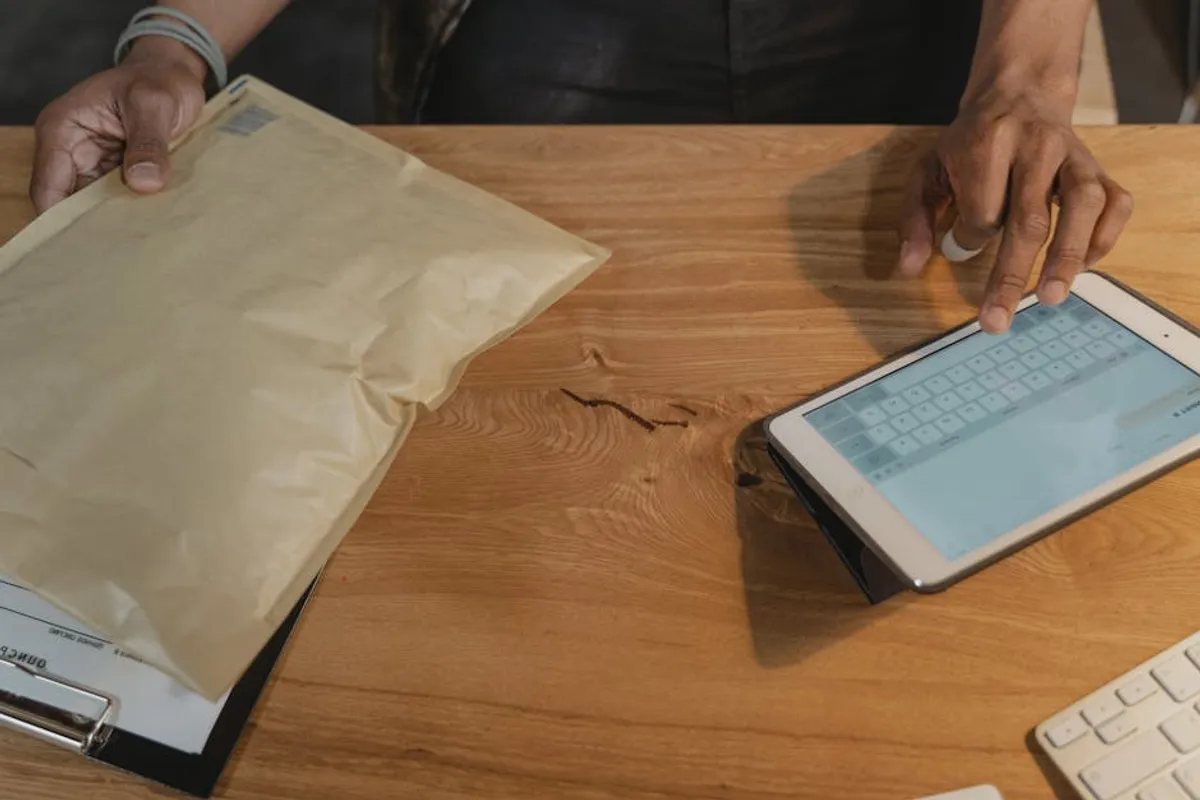
This category includes pre-sized, often unbranded or minimally branded, mailer boxes and padded or unpadded envelopes. These are typically purchased in bulk from suppliers who offer a range of common sizes. While some suppliers offer basic one-color printing for logos, the primary appeal lies in their immediate availability, standardized dimensions, and suitability for direct-to-consumer shipping without extensive customization.
Key Features: Available in common shipping dimensions; usually made from corrugated cardboard (for boxes) or kraft paper/polyethylene (for envelopes); often feature self-sealing adhesive strips; designed for postal and courier services.
Pricing: Very competitive per unit, especially in higher volumes. Minimal to no setup costs for unbranded options. Basic one-color printing adds a small premium per unit, with plate charges for initial setup.
Best For: E-commerce businesses shipping lightweight, non-fragile items; documents, apparel, books, or small accessories. Companies prioritizing shipping efficiency and cost over a highly customized unboxing experience. Also suitable for businesses with tight budgets or rapid scaling needs.
Pros:
- High Cost-Effectiveness: Among the most economical packaging options, particularly for high volume.
- Immediate Availability: Readily stocked by numerous suppliers, ensuring quick procurement.
- Shipping Optimization: Standard sizes often fit common shipping rate tiers, potentially reducing freight costs.
- Simplicity: Easy to pack and seal, streamlining fulfillment operations.
Cons:
- Limited Branding: Offers minimal surface area or opportunity for intricate brand storytelling.
- Basic Protection: While mailer boxes offer some rigidity, envelopes provide limited protection against crushing or impact.
- Generic Appearance: The unboxing experience is typically functional rather than memorable or premium.
- Size Constraints: Products must fit within standard dimensions, which may not be optimal for all items.
4. Recycled or Eco-Friendly Standard Packaging
This alternative focuses on the material composition of packaging rather than its custom design. It involves using standard boxes, bags, or wraps made from high percentages of post-consumer recycled content, biodegradable materials, or sustainably sourced virgin fibers. While these options may still allow for some basic branding (e.g., a simple logo print), the primary differentiator is the environmental commitment communicated through the material choice itself.
Key Features: Made from materials like 100% post-consumer recycled (PCR) cardboard, sugarcane bagasse, corn starch bioplastics, or FSC-certified paper; often features natural, unbleached aesthetics; can be recyclable, compostable, or biodegradable. May include relevant eco-certifications.
Pricing: Can be slightly higher per unit than conventional virgin material packaging due to specialized manufacturing processes or sourcing. Volume discounts apply. Tooling costs are minimal for standard shapes, but custom eco-materials might incur higher MOQs.
Best For: Brands with a strong sustainability ethos; eco-conscious consumers; products where the environmental impact of packaging is a key selling point. Suitable for a wide range of products where basic protection is sufficient and the material itself conveys brand values.
Pros:
- Strong Brand Alignment: Directly communicates a commitment to environmental responsibility.
- Consumer Appeal: Resonates with a growing segment of environmentally aware customers.
- Regulatory Compliance: Helps meet increasing environmental packaging regulations.
- Reduced Environmental Impact: Lowers carbon footprint, waste generation, and reliance on virgin resources.
Cons:
- Potentially Higher Cost: Eco-friendly materials can sometimes carry a premium.
- Aesthetic Limitations: Some recycled materials may have a less refined or uniform appearance than virgin materials, though this can be part of the appeal.
- Performance Variations: Certain biodegradable materials may have different strength or moisture resistance properties than conventional plastics or treated papers.
- Availability: Specialized eco-materials might have fewer suppliers or higher MOQs than standard options.
5. Reusable and Returnable Packaging Systems
This approach involves packaging designed for multiple uses within a closed-loop or semi-closed-loop supply chain. Instead of being discarded after a single use, these containers (e.g., plastic totes, collapsible crates, fabric bags) are returned to the sender, cleaned, and refilled. This is more common in B2B logistics, internal supply chains, or specific consumer models (e.g., refillable subscription services), significantly reducing waste over time.
Key Features: Durable construction (often rigid plastics, metals, or robust fabrics); stackable or collapsible designs for efficient return logistics; often standardized dimensions for palletization; can include tracking technologies for asset management. Branding is typically minimal or integrated into the container's structure.
Pricing: High initial investment per unit due to durable materials and robust design. However, the cost per use decreases significantly over the packaging's lifespan. Requires investment in reverse logistics and cleaning infrastructure. Customization for branding is typically limited to molded logos or durable labels.
Best For: Businesses operating within a controlled supply chain, B2B product delivery, internal logistics, or consumer models focused on circularity (e.g., milk delivery, bottle return schemes, some subscription services). Ideal for high-volume, repetitive shipments of similar products.
Pros:
- Significant Waste Reduction: Drastically cuts down on single-use packaging waste.
- Long-Term Cost Savings: Unit cost per trip can be very low over many cycles.
- Enhanced Product Protection: Robust materials offer superior protection for valuable or fragile goods.
- Sustainable Brand Image: Demonstrates a strong commitment to circular economy principles.
Cons:
- High Upfront Investment: Initial purchase of durable containers is expensive.
- Complex Logistics: Requires managing reverse logistics, cleaning, and tracking, adding operational complexity.
- Limited Consumer Branding: Not suitable for an individualized, unboxing-focused consumer experience.
- Loss/Damage Risk: Containers can be lost or damaged in transit, requiring replacement.
6. DIY or Hand-Assembled Packaging
This alternative involves purchasing basic, often flat-packed, packaging components (e.g., plain cardboard sheets, tissue paper, twine, simple bags) and assembling them by hand, often adding personal touches. This method leverages manual labor to create a unique, artisanal, or personalized feel without the high costs or MOQs associated with industrial custom manufacturing. It's characterized by its flexibility and the ability to adapt to varying product sizes or small batch productions.
Key Features: Utilizes readily available craft or packaging supplies; assembly is manual; allows for highly personalized touches like handwritten notes, custom stamps, or unique closures; low barrier to entry for small-scale operations.
Pricing: Very low material costs per unit, especially when buying components in smaller bulk. The primary "cost" is labor time for assembly and personalization. No tooling or setup fees for basic components.
Best For: Artisans, crafters, small-batch producers, handmade goods, very low-volume businesses, or companies where a personal, human touch is a core part of the brand experience. Ideal for products sold at local markets, online boutiques with limited daily orders, or bespoke gift services.
Pros:
- High Personalization: Allows for unique, handcrafted aesthetics and individual touches.
- Extremely Low MOQs: Can be scaled to produce single units if needed.
- Cost-Effective for Materials: Basic components are inexpensive and widely available.
- Creative Freedom: Provides maximum flexibility for design and presentation changes.
Cons:
- Labor-Intensive: Manual assembly is time-consuming and not scalable for high volumes.
- Inconsistent Quality: Human assembly can lead to variations in appearance and consistency.
- Limited Protection: Often relies on simpler materials that may offer less robust product protection.
- Perceived Value: While charming for some, it may not convey a professional or premium image for all product categories.
7. Bulk or Industrial Packaging
This category refers to large-scale, functional packaging primarily designed for the efficient transport and storage of goods in B2B contexts. It includes items like bulk bags (FIBCs), drums, barrels, large crates, pallets, and stretch wrap. The focus is on maximizing volume, ensuring stability, and protecting contents during freight, rather than consumer-facing branding or aesthetic appeal. Customization is minimal, typically limited to warning labels or basic product identification.
Key Features: Large capacity; robust construction from materials like heavy-duty plastics, steel, or multi-ply woven polypropylene; designed for forklift handling and warehouse stacking; often compliant with specific shipping regulations (e.g., hazmat). Branding is secondary to functionality.
Pricing: Varies significantly by material and capacity. Large bulk bags can be relatively inexpensive per ton of product, while specialized drums or crates are more costly. Volume purchasing is standard. Minimal to no design or tooling costs for standard items.
Best For: Manufacturers, distributors, and logistics companies shipping raw materials, bulk ingredients, industrial components, or large volumes of finished goods to other businesses. Not suitable for direct-to-consumer retail. Ideal for situations where cost-per-unit of product and logistical efficiency are paramount.
Pros:
- Maximum Efficiency: Designed for high-volume transport and storage, optimizing freight space.
- High Protection: Robust construction protects contents from physical damage and environmental factors during industrial transit.
- Cost-Effective for Bulk: Lowest per-unit product packaging cost for large quantities.
- Standardized Handling: Compatible with standard industrial equipment and logistics processes.
Cons:
- No Consumer Appeal: Completely lacks aesthetic or branding elements for consumer engagement.
- Bulk Storage Required: Requires significant warehouse space for both empty and filled packaging.
- Specialized Equipment: Often necessitates forklifts or other heavy machinery for handling.
- Environmental Impact: While durable, some industrial packaging materials can be difficult to recycle without specialized infrastructure.
How to Choose the Right Alternative
Selecting the optimal packaging alternative requires a structured evaluation process that prioritizes business needs and constraints. Begin by clearly defining your primary objective: Is it cost reduction, enhanced product protection, sustainability, or brand reinforcement? Rarely can one solution maximize all these simultaneously. Next, analyze your product attributes—its fragility, size, weight, and shelf life—to narrow down options that offer adequate protection. Consider your target audience and their expectations regarding packaging; a premium product often necessitates a more refined unboxing experience, even with an alternative solution. Crucially, assess your operational capabilities: What are your typical order volumes, available storage space, and internal labor capacity for packing? Solutions requiring extensive manual assembly may not be viable for high-volume operations. Finally, factor in your budget, not just for the packaging itself, but also for shipping, storage, and potential tooling. Pilot testing different alternatives on a small scale can provide practical insights before committing to a large order, ensuring the chosen solution aligns with both commercial goals and operational realities.
FAQ
Q: What is the primary advantage of custom packaging over alternatives?
A: Custom packaging offers unparalleled brand consistency and a unique unboxing experience, reinforcing brand identity and perceived product value through fully integrated design, specific materials, and tailored structures. This decision involves choosing the right packaging that aligns with the brand's overall image and messaging.
Q: Are eco-friendly packaging alternatives always more expensive?
A: Not always, but often. While some basic recycled options can be competitive, specialized biodegradable or compostable materials, or those requiring specific certifications, may incur a premium due to production processes and sourcing. However, increased demand is driving down costs for many sustainable options.
Q: How do MOQs impact the choice between custom and alternative packaging?
A: Minimum Order Quantities (MOQs) are significantly higher for fully custom packaging due to setup and tooling costs. Alternatives, especially stock options with labels, often have much lower MOQs, making them more accessible for small businesses, startups, or businesses needing flexibility for varied product lines. Small businesses often opt for custom packaging for small businesses to stand out in a competitive market.
Q: Can alternatives to custom packaging still provide a premium feel?
A: Yes, through strategic combinations. For instance, high-quality stock boxes paired with meticulously designed custom inserts, premium tissue paper, and a well-placed custom label can create a sophisticated unboxing experience, even without a fully custom-printed exterior box.
Q: What are the main trade-offs when choosing a packaging alternative?
A: The main trade-offs typically involve balancing cost against brand integration, product protection, and the ability to create a distinctive customer experience. Alternatives usually offer better cost efficiency and flexibility but may require compromises on unique aesthetics or specialized protective features.
Q: Is it possible to combine elements of custom and alternative packaging?
A: Absolutely. Many businesses adopt a hybrid approach, using standard outer packaging for cost efficiency but investing in custom internal components, branded tissue paper, or custom labels to maintain brand presence and product protection. This allows for targeted investment in key touchpoints.