
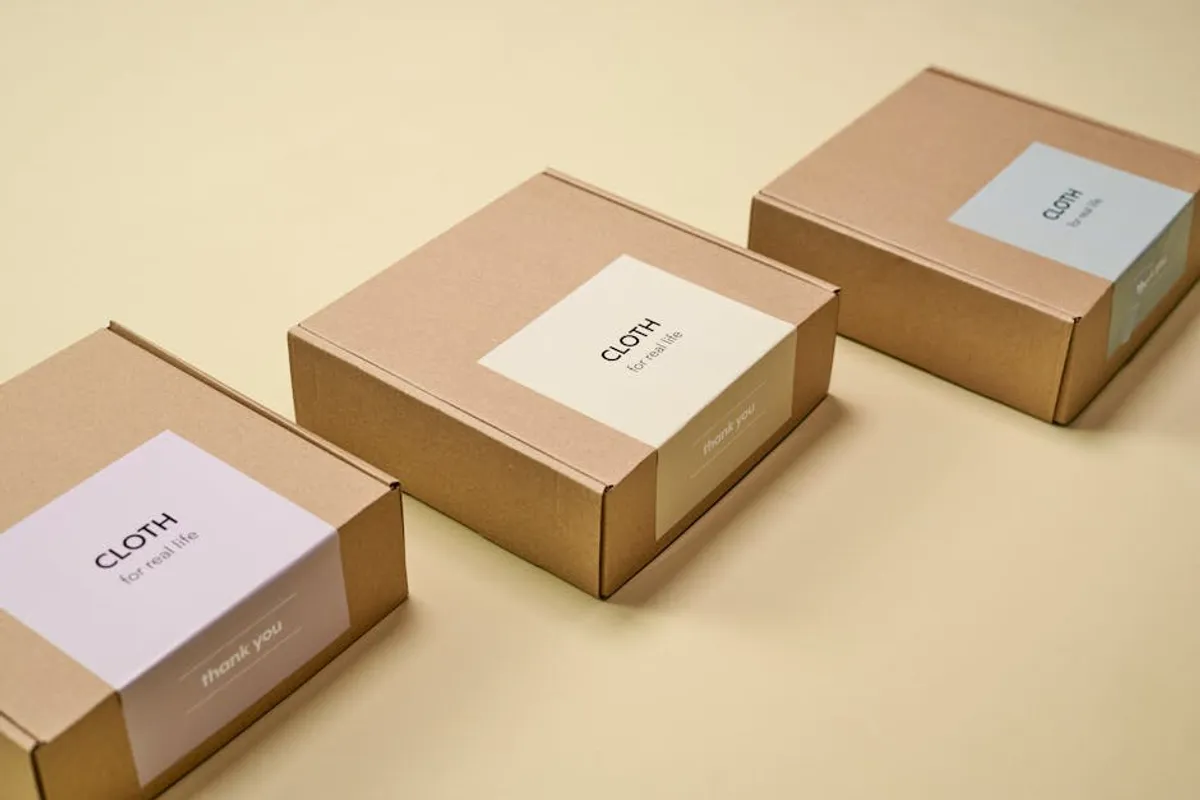
For small businesses, packaging extends beyond mere product protection; it serves as a critical touchpoint for brand identity and customer experience. In a competitive market, custom packaging transforms a transactional exchange into a memorable interaction, influencing perceptions of quality, value, and brand personality. This strategic investment helps differentiate products, communicate brand stories, and foster customer loyalty, directly impacting repeat purchases and word-of-mouth referrals. Understanding how to leverage custom packaging effectively is not just about aesthetics, but about integrating a tangible marketing tool into your overall business strategy. To truly stand out, explore some innovative custom packaging ideas that resonate with your target audience and brand values.
Understanding the Impact of Custom Packaging
Custom packaging functions as a silent salesperson, often being the first physical interaction a customer has with your brand. It communicates professionalism, attention to detail, and a commitment to quality before the product itself is even seen. For small businesses, this initial impression is paramount for establishing trust and perceived value. Thoughtful packaging can elevate a product from a commodity to a curated item, justifying premium pricing and creating a distinct market position. It also provides an opportunity to reinforce brand messaging, values, and visual identity, which is crucial for building a cohesive brand narrative.
Strategic Custom Packaging Ideas
Branded Shipping Boxes & Mailers
The exterior shipping container is the initial touchpoint in the unboxing experience, particularly for e-commerce. Branded boxes or mailers, even with a simple logo or a specific color, immediately signal a professional operation. Options range from custom-printed corrugated boxes (flexographic or digital printing) to poly mailers with bespoke designs. The choice depends on product fragility, shipping costs, and desired aesthetic. For example, a sturdy, custom-printed box provides superior protection and a premium feel, while a branded poly mailer is a lightweight, cost-effective solution for non-fragile items like apparel.
Best for: E-commerce businesses, subscription box services, brands shipping directly to consumers.
Personalized Product Labels & Sleeves
For products sold individually, whether on a shelf or online, the label is the primary identifier. Custom labels allow for precise brand representation, including logos, product information, and regulatory details, all while maintaining a consistent visual theme. Materials vary from durable vinyl for products exposed to moisture (e.g., cosmetics, beverages) to elegant paper stocks for dry goods (e.g., candles, artisanal foods). Sleeves, often made of cardstock, can wrap around plain containers to add branding without requiring custom-printed primary packaging, offering flexibility for smaller batch runs or seasonal variations.
Best for: Food and beverage products, cosmetics, health and wellness items, handmade goods, and products requiring detailed ingredient or usage information.
Custom Tissue Paper & Void Fill
Inside the shipping container, custom tissue paper or branded void fill adds a layer of sophistication and protection. Tissue paper, often printed with a subtle logo or pattern, cradles the product and adds an element of luxury, particularly when unwrapped. Various void fill options, such as crinkle paper, wood excelsior, or even custom-printed shredded paper, protect items during transit while contributing to the brand experience. These elements reinforce the brand's aesthetic and demonstrate attention to detail, enhancing the perceived value of the purchase.
Best for: Apparel, delicate items, luxury goods, gift boxes, and brands aiming for a premium unboxing experience.
Branded Tapes & Stickers
For businesses seeking cost-effective branding solutions, custom-printed tape or stickers offer significant impact without a large upfront investment. Branded tape can seal plain boxes, instantly transforming them into branded packages. Stickers can be applied to product packaging, shipping mailers, or even directly to products as seals or embellishments. This approach is highly flexible, allowing for small runs and quick design changes. It's a practical way to add a professional, branded touch to existing, unbranded packaging inventory.
Best for: Startups, businesses with diverse product lines, budget-conscious brands, and adding a final branded flourish to any package.
Eco-Friendly & Sustainable Options
Consumer demand for sustainable practices increasingly influences purchasing decisions. Incorporating eco-friendly custom packaging signals a brand's commitment to environmental responsibility. Options include packaging made from recycled content (e.g., recycled paperboard, post-consumer plastic), compostable materials (e.g., cornstarch-based mailers, biodegradable peanuts), or materials that are easily recyclable (e.g., single-material packaging). Communicating these sustainable choices on the packaging itself further enhances brand perception and resonates with environmentally conscious customers.
Best for: Brands with sustainability as a core value, businesses targeting eco-conscious consumers, and those aiming to reduce their environmental footprint.
Custom Inserts & Marketing Materials
The space inside custom packaging offers an opportunity for direct communication and relationship building. Custom inserts, such as thank-you notes, discount codes for future purchases, product care instructions, or small branded gifts, enhance the customer experience and encourage repeat business. These materials can tell your brand story, cross-promote other products, or solicit reviews. They transform the unboxing into a personalized engagement, fostering loyalty beyond the initial transaction.
Best for: Enhancing customer loyalty, driving repeat purchases, cross-selling, collecting feedback, and sharing brand values or stories.
Pro Tip: When planning custom packaging, always request physical samples from potential suppliers. Digital mock-ups can be misleading regarding color accuracy, material texture, and overall print quality. A physical sample ensures the final product aligns with your brand's aesthetic and quality standards before committing to a larger order, preventing costly discrepancies.
Implementing Your Custom Packaging Strategy
Budgeting Considerations
Custom packaging costs are influenced by material choice, print complexity, order volume (Minimum Order Quantities or MOQs), and supplier. Small businesses often face higher per-unit costs for lower MOQs. Prioritize packaging elements that offer the most impact for your budget. For instance, investing in a branded sticker for a plain box might be more cost-effective than a fully custom-printed box if budget is a primary constraint. Factor in design costs and potential shipping for the packaging materials themselves. For businesses needing to budget carefully, understanding custom packaging costs is key to making strategic choices.
Design & Branding Cohesion
Maintain a consistent brand identity across all packaging elements. This means using your established color palette, fonts, and logo consistently. If you don't have an in-house designer, consider working with a freelance graphic designer specializing in packaging. They can ensure your designs are print-ready and effectively convey your brand message, avoiding common technical issues that can lead to costly reprints.
Supplier Selection
Choosing the right packaging supplier is critical. Evaluate suppliers based on their reputation, material quality, printing capabilities, lead times, customer service, and willingness to work with small businesses on MOQs. Request quotes from multiple vendors and review their portfolios. A reliable supplier can offer valuable insights into material choices and cost-saving production methods, becoming a true partner in your packaging strategy.
Elevating Your Brand Through Thoughtful Packaging
Custom packaging is an investment in your brand's perception and customer loyalty. By thoughtfully selecting and designing elements that align with your brand's values and product, small businesses can create a distinctive unboxing experience that resonates with customers. This strategic approach transforms packaging from a simple container into a powerful marketing tool, driving recognition, fostering positive sentiment, and encouraging repeat engagement. It’s about creating an emotional connection that extends beyond the product itself, building a memorable brand presence in a crowded marketplace.
Frequently Asked Questions About Custom Packaging
Q: What is the minimum order quantity (MOQ) for custom packaging?
A: MOQs vary significantly by supplier and packaging type. Simple items like stickers or tissue paper might have MOQs as low as 100-250 units, while custom-printed boxes or specialized materials could range from 500 to several thousand units. Always confirm MOQs with your chosen supplier.
Q: How much does custom packaging typically cost for small businesses?
A: Costs are highly variable. Basic custom labels might cost a few cents per unit, while a fully custom-printed box could range from $1 to $5+ per unit, depending on size, complexity, and order volume. Initial design fees also contribute to the overall cost. It's crucial to get detailed quotes based on your specific needs.
Q: Can custom packaging be eco-friendly?
A: Yes, many suppliers offer eco-friendly custom packaging options. These include materials made from recycled content, biodegradable plastics, compostable papers, and designs that minimize material use or facilitate easy recycling. Look for certifications like FSC (Forest Stewardship Council) for paper products or inquire about post-consumer recycled (PCR) content.
Q: How long does it take to get custom packaging?
A: Lead times depend on the complexity of the design, material availability, and the supplier's production schedule. Simple items like labels or stickers might take 1-3 weeks, while custom-printed boxes or more intricate designs can take 4-8 weeks or even longer, especially for international sourcing. Always factor these lead times into your production schedule.