
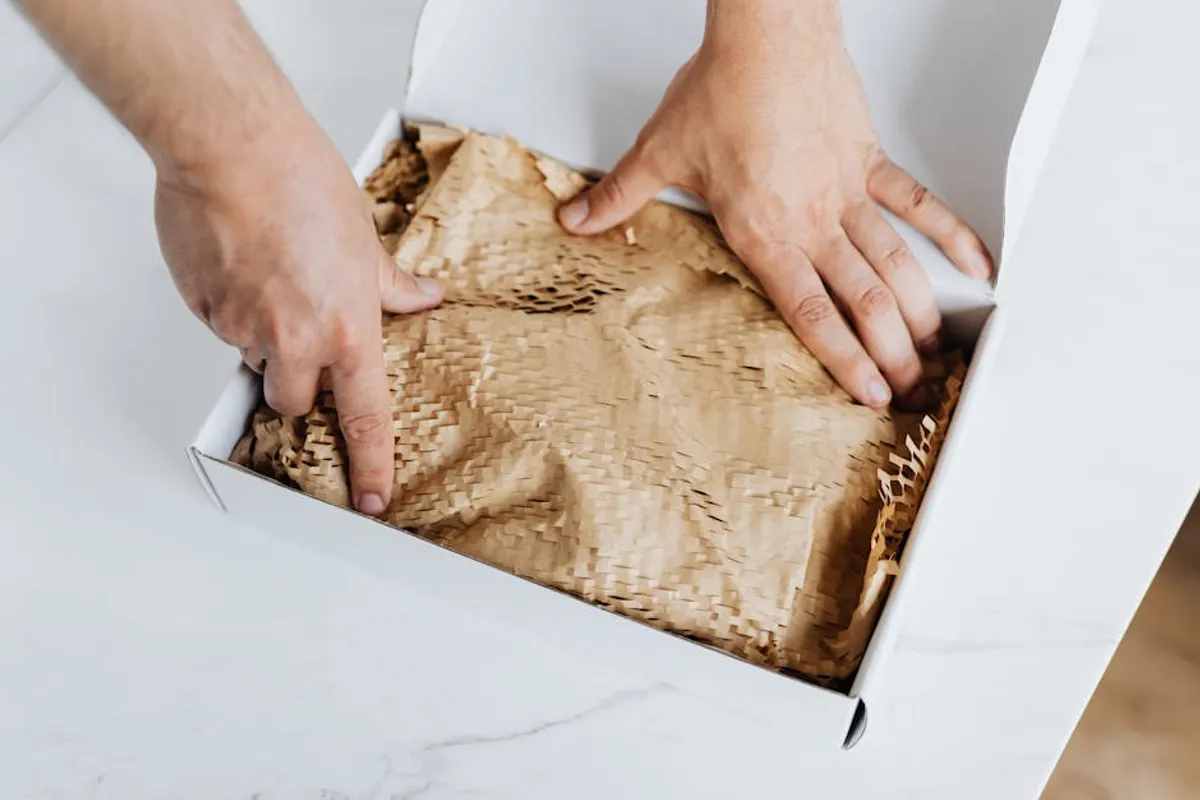
For ecommerce brands, packaging serves a purpose far beyond merely protecting goods in transit. It represents a critical touchpoint in the customer journey, shaping brand perception, influencing repeat purchases, and even impacting operational costs. Overlooking its strategic importance can lead to missed opportunities, negative customer experiences, and unnecessary expenses. Effective packaging communicates brand values, enhances the unboxing experience, and ensures products arrive safely, all while balancing sustainability and cost efficiency. Brands that view packaging as an afterthought often face consequences ranging from damaged goods and customer dissatisfaction to a diluted brand image and increased returns. Understanding and actively avoiding common packaging missteps is essential for cultivating customer loyalty and optimizing the ecommerce supply chain. To ensure you cover all bases, consider using a custom packaging checklist before ordering.
Overlooking First Impressions and Unboxing Experience
Generic or Damaged Outer Packaging
The exterior of a package is a customer's initial physical interaction with your brand. A plain, unbranded, or visibly damaged outer box immediately lowers expectations. Customers may perceive the contents as lower quality, regardless of the actual product. This initial impression can taint the entire unboxing experience and even lead to premature assumptions about the product's condition. Investing in durable, branded packaging that withstands transit rigors and presents a professional appearance signals attention to detail and care for the product inside. This doesn't necessarily mean expensive custom boxes; it can be achieved with branded tape, stickers, or thoughtful material choices.
Lack of Thoughtful Internal Presentation
Once the outer packaging is opened, the internal presentation dictates the unboxing experience. A product simply tossed into a box with generic void fill creates an anticlimactic moment. This misses a significant opportunity for brand storytelling and customer delight. Thoughtful internal packaging involves elements like custom inserts, branded tissue paper, strategically placed products, or small, relevant extras. These details elevate the experience from a transactional delivery to a memorable event, encouraging social sharing and fostering a stronger emotional connection with the brand. The goal is to make the act of opening the package feel like unwrapping a gift, not just receiving an order.
Ignoring Practicality and Protection
Inadequate Product Protection
The primary functional role of packaging is to protect the product from damage during shipping. Failure to adequately protect items leads directly to breakages, scuffs, and other transit-related issues. This results in costly returns, negative reviews, and significant customer frustration. Brands must select packaging materials and void fill that are appropriate for the product's fragility, weight, and dimensions. This includes using sturdy corrugated boxes, bubble wrap, foam inserts, air pillows, or custom-fit molds that immobilize the product and absorb shocks. Overlooking this fundamental aspect undermines all other efforts in product quality and customer service.
Excessive or Difficult-to-Open Packaging
While protection is crucial, over-packaging or using materials that are excessively difficult to open can equally frustrate customers. Layers of unnecessary plastic, tightly sealed clamshells, or boxes requiring tools to open create a negative "wrap rage" experience. This not only annoys the customer but also raises environmental concerns and can lead to negative perceptions of the brand's sustainability efforts. The ideal packaging balances robust protection with ease of access, using right-sized containers and intuitive opening mechanisms. Minimalist yet protective designs are often preferred, reducing material waste and improving the customer experience.
Mismanaging Brand Story and Communication
Missing Brand Elements
Packaging without clear brand elements is a missed marketing opportunity. An anonymous package fails to reinforce brand identity, making it harder for customers to recall where they purchased the item. This can dilute brand recognition and reduce the likelihood of repeat business. Effective packaging incorporates consistent branding through logos, brand colors, taglines, and a cohesive aesthetic. These elements should be integrated thoughtfully, not just slapped on, to create a consistent and recognizable brand presence that extends beyond the product itself.
Neglecting Personalization and Customer Connection
In the digital age, a physical package offers a rare opportunity for a personal touch. Neglecting personalization makes the transaction feel cold and impersonal. This can prevent the formation of a deeper emotional connection between the customer and the brand. Simple additions like a handwritten thank-you note, a personalized message, or relevant product inserts can significantly enhance the customer experience. These small gestures demonstrate appreciation, build rapport, and can transform a one-time buyer into a loyal advocate. The goal is to make the customer feel valued, not just another order number.
Sustainability Oversights
Using Non-Recyclable or Excessive Materials
With growing environmental awareness, customers increasingly scrutinize the sustainability of packaging. Using non-recyclable plastics, excessive amounts of material, or packaging that ends up in landfills can alienate eco-conscious consumers and damage brand reputation. Brands should actively seek out recycled content, recyclable materials, biodegradable options, and compostable alternatives. A minimalist design approach that uses only necessary materials is also a powerful statement. Communicating these efforts transparently can resonate positively with a significant segment of the market.
Lack of Clear Disposal Instructions
Even when using sustainable materials, if customers don't know how to properly dispose of them, the effort can be undermined. Packaging that lacks clear recycling or composting instructions creates confusion and can lead to improper disposal, diminishing the positive impact of sustainable choices. Providing explicit labels, symbols, or even a small insert detailing how to recycle or compost each component of the packaging empowers customers to participate in sustainable practices. This transparency reinforces a brand's commitment to environmental responsibility.
Pro Tip: Before finalizing any packaging design, conduct drop tests and transit simulations. Ship a sample package to yourself or a colleague to experience the unboxing process firsthand. This reveals potential damage points and highlights areas for improvement in both protection and presentation before mass production.
Cost Inefficiencies and Supply Chain Issues
Overspending on Unnecessary Packaging Features
While premium packaging can enhance brand perception, overspending on features that don't add significant value or protection can inflate costs unnecessarily. This directly impacts profit margins and can make products less competitive. Brands need to balance aesthetic appeal and protective qualities with cost-effectiveness. Value engineering packaging solutions involves selecting materials and designs that meet functional and branding requirements without incurring excessive expense. Every packaging component should justify its cost in terms of protection, branding, or customer experience.
Inconsistent Sourcing or Poor Quality Control
Relying on inconsistent suppliers or neglecting quality control for packaging materials can lead to significant supply chain disruptions and product damage. Variations in material strength, print quality, or dimensions can result in packages that fail to protect products, misrepresent the brand, or are incompatible with automated packing processes. Establishing relationships with reliable packaging suppliers and implementing rigorous quality checks are crucial. Standardized specifications and regular audits ensure that packaging consistently meets required standards, safeguarding both product integrity and brand reputation.
Actionable Steps for Packaging Improvement
To refine your ecommerce packaging strategy, consider these key areas:
- Audit Current Packaging: Document all materials used, their costs, and their protective capabilities.
- Gather Customer Feedback: Solicit input on unboxing experiences, perceived quality, and ease of disposal.
- Evaluate Sustainability: Research greener alternatives for current materials and ensure clear disposal instructions.
- Reinforce Branding: Integrate consistent logos, colors, and messaging across all packaging elements.
- Optimize for Protection: Conduct testing to ensure products withstand typical shipping conditions.
- Streamline Operations: Look for opportunities to reduce packaging complexity and improve packing efficiency.
Frequently Asked Questions
What is the most common packaging mistake ecommerce brands make?
One of the most common mistakes is treating packaging as a purely functional item rather than a strategic brand touchpoint. This often leads to generic, unbranded, or inadequate packaging that fails to protect products and misses opportunities to enhance the customer experience.
How can I make my ecommerce packaging more sustainable?
To make packaging more sustainable, prioritize materials that are recycled, recyclable, biodegradable, or compostable. Additionally, reduce overall material usage through minimalist design, and provide clear instructions for customers on how to properly dispose of each packaging component.
Is custom packaging worth the extra cost for a small ecommerce business?
For small ecommerce businesses, custom packaging can be a worthwhile investment because it significantly enhances brand perception and the unboxing experience. It doesn't always require expensive custom-printed boxes; branded tape, stickers, or custom inserts can provide a similar premium feel at a lower cost, improving customer loyalty and encouraging word-of-mouth marketing.
How does packaging impact customer returns?
Poor packaging directly contributes to higher return rates by failing to protect products during transit, leading to damage. Furthermore, a negative unboxing experience due to excessive or difficult-to-open packaging can also prompt returns, even if the product itself is intact, as it reflects poorly on the overall brand experience.