
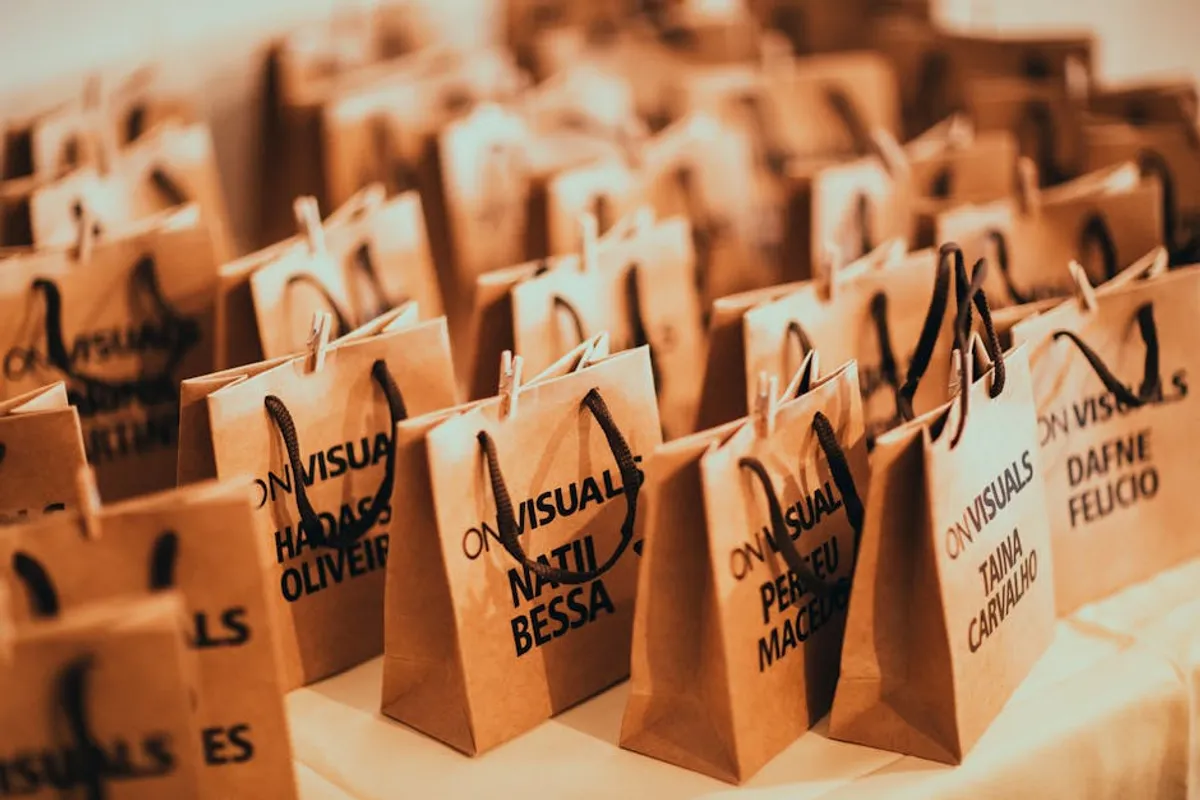
Selecting the right branded bags for a small shop extends beyond mere packaging; it is a critical component of brand identity, customer experience, and ongoing marketing. The bag a customer carries reflects the shop's values, quality, and attention to detail. A well-chosen bag can transform a transactional experience into a memorable interaction, fostering loyalty and expanding brand visibility. This decision impacts not only immediate costs but also long-term brand perception and customer retention, requiring a strategic approach that balances aesthetics, functionality, sustainability, and budget. This strategic approach involves considering the best packaging design for small shops to enhance brand perception and customer retention.
What to Look For in Branded Bag Ideas
When evaluating branded bag options, small shop owners should consider several key factors to ensure their choice aligns with their business objectives and customer expectations. The material choice dictates durability, environmental impact, and perceived value. Design considerations include the print quality, color accuracy, and how effectively the shop's logo and messaging translate to the bag's surface. Functionality encompasses the bag's capacity, handle comfort, and ability to protect purchased items. Cost-effectiveness must be assessed against the bag's potential for reuse and its contribution to brand equity. Finally, sustainability credentials are increasingly important, influencing customer perception and aligning with broader ethical business practices. A holistic evaluation across these dimensions ensures the chosen bag serves as an effective, silent ambassador for the brand.
1. Reusable Canvas Totes
Canvas totes offer a robust and sustainable branding solution, providing customers with a durable, multi-use item that extends brand visibility beyond the initial purchase. Their sturdy construction allows for repeated use, transforming a shopping bag into a functional accessory that acts as a mobile advertisement for the small shop. The natural texture of canvas also lends itself well to unique printing methods, allowing for tactile and visually appealing designs that stand out.
Best for: Apparel boutiques, artisan craft stores, bookstores, or any shop aiming to emphasize sustainability and offer a practical, long-lasting customer takeaway with a premium feel.
Pros:
- High brand visibility due to repeated public use, generating organic impressions.
- Perceived value is significantly higher than disposable options, enhancing customer satisfaction and loyalty.
- Aligns with eco-conscious consumer values, boosting brand image and appeal.
- Durable material provides superior protection for purchased items, reducing damage risk.
- Offers a substantial surface area for creative and detailed branding.
Cons:
- Higher upfront cost per unit compared to paper or plastic bags, requiring a larger initial investment.
- Requires more storage space due to bulkier material, which can be an issue for small retail footprints.
- Specific design limitations can occur with certain printing methods on fabric, affecting fine details.
Verdict: While the initial investment is greater, canvas totes deliver a significant return through extended brand exposure and positive association with environmental responsibility. This makes them a strategic choice for shops prioritizing long-term brand building and customer engagement.
2. Premium Matte Finish Paper Shoppers
These bags elevate the unboxing experience with a sophisticated, non-reflective surface that exudes understated elegance. The matte finish minimizes glare, making logos and graphics appear sharper and more luxurious. Often paired with reinforced handles and sturdy construction, these bags suggest a higher-end product and a meticulous attention to detail from the shop. They serve as a tactile extension of a brand's commitment to quality.
Best for: Jewelry stores, high-end cosmetic brands, luxury gift shops, or specialty boutiques where presentation is paramount and contributes directly to perceived product value.
Pros:
- Creates a luxurious and refined brand impression, enhancing the perceived value of purchases.
- Matte surface provides excellent contrast for printed logos and designs, ensuring clarity.
- Often features reinforced handles and sturdy construction, providing reliability and comfort.
- Environmentally friendlier than plastic options and can be recycled, appealing to conscious consumers.
Cons:
- Higher unit cost compared to standard gloss paper or plastic bags.
- Matte finish can show fingerprints or smudges more readily, impacting pristine appearance.
- Less resistant to moisture and tearing than plastic or canvas, requiring careful handling in adverse conditions.
Verdict: Premium matte finish paper shoppers are an investment in brand perception, ideal for businesses that rely on a sophisticated aesthetic to communicate quality and exclusivity. Their visual and tactile appeal justifies the higher cost by elevating the customer's entire shopping experience.
3. Kraft Paper Bags with Custom Stamps
Kraft paper bags offer an economical and eco-friendly foundation for branding, particularly when customized with a shop's unique stamp. This approach allows for a rustic, handmade aesthetic that resonates with artisanal or environmentally conscious brands. The simplicity of the kraft material provides a versatile canvas, and stamping offers flexibility for branding variations or seasonal messaging without committing to large print runs.
Best for: Small independent coffee shops, bakeries, craft stores, farmers' market vendors, or start-ups requiring cost-effective branding with a personal touch.
Pros:
- Significantly lower unit cost than custom-printed bags, making it budget-friendly for small operations.
- Offers a natural, organic, and often recyclable aesthetic that aligns with sustainable brand values.
- Allows for quick branding of stock bags, providing flexibility for small batches or on-demand needs.
- Custom stamps can be interchanged, enabling seasonal branding or promotional messages without reordering bags.
Cons:
- Stamping quality can vary depending on application technique and ink, potentially leading to inconsistencies.
- Limited to single-color branding unless multiple stamps or complex layering is employed.
- Less durable than higher-grade paper or fabric bags, offering less protection for heavier or delicate items.
- Perceived value may be lower than fully custom-printed or premium bag options.
Verdict: Kraft paper bags with custom stamps are an excellent entry-level branding solution, balancing cost-effectiveness with a genuine, handcrafted feel. They are particularly effective for businesses whose brand identity benefits from an authentic, less polished presentation.
4. Biodegradable Corn Starch Bags
These innovative bags provide a compelling alternative to traditional plastic, offering similar functionality while addressing environmental concerns. Made from renewable resources like corn starch, they are designed to break down naturally, significantly reducing their ecological footprint. For businesses committed to sustainability, these bags communicate a strong ethical stance, aligning with consumer demand for eco-friendly packaging solutions.
Best for: Organic food stores, health and wellness brands, eco-conscious retailers, or any business prioritizing environmental responsibility and seeking plastic-free alternatives.
Pros:
- Significantly reduces environmental impact compared to petroleum-based plastics, appealing to green consumers.
- Offers similar transparency and flexibility to traditional plastic bags, suitable for various product types.
- Communicates a strong brand commitment to sustainability and ethical practices.
- Can be composted in industrial facilities, completing the product lifecycle responsibly.
Cons:
- Higher unit cost than conventional plastic bags, impacting operational budgets.
- May have a shorter shelf life and be more susceptible to degradation if exposed to moisture or heat prematurely.
- Requires specific composting conditions to fully biodegrade, which may not be universally available to consumers.
- Limited print options compared to other materials, potentially restricting complex branding designs.
Verdict: Biodegradable corn starch bags are a forward-thinking choice for brands where environmental stewardship is a core value. While they present a higher cost and specific handling considerations, their ecological benefits provide a distinct competitive advantage and resonate deeply with a growing segment of consumers.
5. Non-Woven Polypropylene Bags
Non-woven polypropylene (NWPP) bags are a popular choice for their balance of durability, reusability, and cost-effectiveness. Made from spun-bonded polypropylene fibers, they offer a fabric-like texture that is both strong and lightweight. These bags are often seen as a practical, mid-range reusable option, providing a consistent branding surface and a long lifespan for repeated customer use, extending brand exposure.
Best for: Grocery stores, promotional events, general retail, or businesses seeking a durable, reusable bag that offers good value without the premium cost of canvas.
Pros:
- Highly durable and reusable, offering extended brand visibility over many uses.
- More affordable than canvas or jute, providing a cost-effective reusable bag solution.
- Resistant to water and tearing, offering good protection for contents.
- Available in a wide range of colors, allowing for vibrant branding that matches corporate identity.
- Provides a smooth surface for high-quality printing of logos and graphics.
Cons:
- Not biodegradable, though some can be recycled depending on local facilities.
- Perceived value is generally lower than natural fiber bags like canvas or cotton.
- Can feel less luxurious or "natural" compared to other eco-friendly options.
- Manufacturing process is energy-intensive, despite the reusability benefit.
Verdict: Non-woven polypropylene bags represent a practical and economical choice for businesses needing a robust, reusable bag that will see frequent use. They strike a balance between durability, cost, and branding potential, making them a workhorse for everyday retail and promotional activities.
6. Custom Printed Cotton Drawstring Pouches
Cotton drawstring pouches offer a soft, elegant, and reusable packaging option, particularly suited for smaller, delicate, or high-value items. The drawstring closure provides a secure and aesthetically pleasing finish, while the natural cotton material conveys a sense of quality and care. These pouches often serve a secondary purpose for the customer, such as storing jewelry, small accessories, or toiletries, thereby extending the brand's presence in their daily life.
Best for: Jewelry shops, handmade soap and cosmetic brands, small gifts, artisanal products, or any business selling delicate items where presentation and reusability are key.
Pros:
- Enhances the perceived value of small, delicate, or luxury items through premium packaging.
- Soft material protects contents from scratches and minor impacts.
- Reusable for various purposes by the customer, offering long-term brand exposure.
- Natural cotton material is biodegradable and recyclable, appealing to eco-conscious consumers.
- Drawstring closure adds a touch of elegance and security.
Cons:
- Higher unit cost compared to standard paper or plastic bags.
- Limited capacity, suitable only for small items, not general shopping.
- Printing area can be smaller and less prominent than on larger bags.
- Cotton can be susceptible to shrinking or wrinkling if washed.
Verdict: Custom printed cotton drawstring pouches are an ideal choice for businesses looking to elevate the presentation of small, premium items. Their reusability and elegant aesthetic contribute significantly to a memorable unboxing experience and lasting brand recall, despite their higher cost and limited capacity.
7. Recycled Content Paper Bags
Recycled content paper bags demonstrate a clear commitment to environmental responsibility by utilizing post-consumer waste in their production. These bags convey a message of sustainability without compromising on functionality or branding potential. Available in various finishes and strengths, they offer a tangible way for small shops to align with green initiatives and appeal to a growing segment of environmentally conscious consumers. These bags offer a tangible way for small shops to align with green initiatives and appeal to a growing segment of environmentally conscious consumers through compostable packaging ideas.
Best for: Eco-friendly retailers, sustainable fashion brands, organic product suppliers, or any business aiming to communicate strong environmental values through their packaging choices.
Pros:
- Significantly reduces demand for virgin timber, supporting sustainable forestry practices.
- Communicates a strong brand commitment to environmental responsibility and circular economy principles.
- Can be further recycled after use, completing a sustainable lifecycle.
- Available in various strengths and finishes, offering flexibility for different product types.
- Often cost-competitive with non-recycled paper options, especially at scale.
Cons:
- May have a slightly rougher texture or less bright white finish compared to virgin paper.
- Can sometimes be perceived as less "premium" if not paired with thoughtful design.
- Strength can vary depending on the percentage and type of recycled content.
- Not always resistant to moisture, requiring additional protective measures for certain items.
Verdict: Recycled content paper bags are a practical and impactful choice for businesses prioritizing sustainability. They offer a direct way to demonstrate environmental stewardship, resonating with consumers who value ethical sourcing and reduced ecological footprint, all while maintaining effective branding.
8. Jute or Burlap Tote Bags
Jute and burlap tote bags offer a distinct, earthy aesthetic that aligns well with natural, organic, or handcrafted brands. Made from strong, natural fibers, these bags are exceptionally durable and biodegradable, presenting a robust eco-friendly option. Their unique texture provides a rustic charm that differentiates them from smoother materials, making the bag itself a statement piece that reflects the shop's character.
Best for: Artisan food stores, organic markets, fair-trade shops, gardening centers, or businesses with a strong connection to natural products and a rustic brand identity.
Pros:
- Highly durable and long-lasting, providing extensive opportunities for brand exposure.
- Made from natural, biodegradable fibers, supporting sustainable and eco-conscious branding.
- Offers a unique, rustic aesthetic that stands out from more common bag types.
- Strong material can carry heavier items without tearing, enhancing customer confidence.
- Supports fair-trade and ethical sourcing narratives when sourced responsibly.
Cons:
- Higher unit cost than many other reusable bag options.
- The coarse texture can limit fine detail in printing and may require specific printing methods.
- Can shed fibers initially, which might be a concern for certain products.
- Less water-resistant than synthetic materials, requiring care in wet conditions.
Verdict: Jute or burlap tote bags are an excellent choice for brands seeking to emphasize natural materials, durability, and a distinctive, rustic appeal. While the cost and printing limitations are factors, their strong environmental credentials and unique aesthetic create a memorable and impactful brand experience.
9. Clear PVC or Frosted Plastic Bags
Clear PVC or frosted plastic bags offer a modern, minimalist aesthetic that allows the purchased product to be part of the bag's visual appeal. Clear bags provide immediate product visibility, creating excitement and allowing customers to showcase their purchases. Frosted options offer a softer, more subtle transparency, hinting at the contents while maintaining a degree of privacy. Both options are water-resistant and durable, suitable for various retail environments.
Best for: Fashion accessories, beauty products, stationery, contemporary art shops, or businesses selling visually appealing products that benefit from being seen immediately.
Pros:
- Showcases products immediately, turning purchases into a display.
- Water-resistant and highly durable, protecting contents effectively in various weather conditions.
- Offers a modern, sleek, and often minimalist aesthetic.
- Can be reused by customers for various purposes, extending brand visibility.
- Frosted options provide a balance of visibility and subtle privacy.
Cons:
- Environmental concerns associated with plastic, though some PVC is recyclable (check local facilities).
- Can feel less "premium" or "natural" compared to paper or fabric options.
- Prone to scratching or showing fingerprints, which can diminish appearance.
- Clear bags offer no privacy for contents, which some customers may prefer.
Verdict: Clear or frosted plastic bags are a strategic choice for businesses whose products are inherently attractive and contribute to the overall brand statement. They offer practical benefits like durability and water resistance, but their environmental impact must be weighed against aesthetic and functional advantages.
10. Custom Branded Garment Bags
Custom branded garment bags elevate the presentation of clothing purchases, offering superior protection and a luxurious unboxing experience. These bags, often made from non-woven material or breathable fabric, are designed to keep garments wrinkle-free and protected during transport and storage. They transform a simple clothing purchase into a high-end interaction, reinforcing the shop's commitment to quality and customer care. The reusability of garment bags also provides long-term brand exposure.
Best for: Bridal boutiques, tailor shops, high-end apparel retailers, formal wear stores, or any shop selling delicate or expensive clothing that requires special care.
Pros:
- Provides excellent protection for clothing, preventing wrinkles and damage.
- Significantly enhances the perceived value and luxury of clothing purchases.
- Highly reusable by customers for travel or garment storage, extending brand visibility over time.
- Communicates a strong attention to detail and customer care.
- Offers a large surface area for prominent and sophisticated branding.
Cons:
- Higher unit cost compared to standard shopping bags, requiring a targeted application.
- Limited to specific product types (clothing), not suitable for general merchandise.
- Requires more storage space due to their size and shape.
- May not be fully recyclable depending on material composition.
Verdict: Custom branded garment bags are a premium packaging solution for businesses that specialize in apparel. While a significant investment, they deliver a powerful message of quality and care, creating a memorable customer experience that justifies the cost through enhanced brand loyalty and perception.
11. Die-Cut Handle Paper Bags
Die-cut handle paper bags offer a sleek, minimalist aesthetic by integrating the handle directly into the bag's structure. This design eliminates external handles, resulting in a clean, uncluttered look that is often favored by modern or artistic brands. The absence of separate handles can also make these bags more compact for storage and provide a unique tactile experience for the customer, distinguishing them from traditional handle designs.
Best for: Art galleries, contemporary design shops, bookstores, minimalist fashion brands, or businesses aiming for a clean, sophisticated, and modern packaging presentation.
Pros:
- Creates a clean, modern, and minimalist aesthetic that enhances brand image.
- Eliminates external handles, reducing potential snagging or damage during transport.
- Offers a unique tactile experience for customers, distinguishing the bag.
- Can be more compact for storage when flat, optimizing limited retail space.
- Environmentally friendlier than plastic options and can be recycled.
Cons:
- Less comfortable to carry for heavier items compared to bags with rope or ribbon handles.
- The die-cut handle can sometimes weaken the top edge of the bag, making it prone to tearing if overloaded.
- Limited design flexibility around the handle area due to the integrated cut.
- Not suitable for very large or bulky items due to potential handle stress.
Verdict: Die-cut handle paper bags are an excellent choice for brands seeking a contemporary and understated elegance in their packaging. While they have limitations for heavy items, their distinctive design and clean lines contribute significantly to a modern brand identity, making them ideal for lighter, stylish purchases.
12. Specialty Finish Bags (Foil, Spot UV, Embossed)
Specialty finish bags incorporate advanced printing techniques like foil stamping, spot UV coating, or embossing to add tactile and visual luxury. Foil stamping introduces metallic or holographic elements, creating a striking visual pop. Spot UV selectively applies a glossy coating to specific areas, adding texture and emphasis. Embossing raises elements of the design, providing a sophisticated, three-dimensional effect. These finishes transform a standard bag into a premium item, signaling high quality and exclusivity.
Best for: High-end fashion houses, luxury goods retailers, fine jewelry stores, exclusive gift shops, or brands where every detail of presentation contributes to a premium customer experience.
Pros:
- Creates an immediate perception of luxury, sophistication, and high quality.
- Adds tactile and visual interest, making the bag a memorable part of the purchase experience.
- Differentiates the brand significantly from competitors using standard printing.
- Enhances brand recognition through unique and premium aesthetic elements.
- Can elevate even simple designs into something extraordinary.
Cons:
- Significantly higher unit cost due to specialized printing processes and materials.
- Longer production lead times are typically required for these complex finishes.
- Design must be carefully considered to maximize the impact of the specialty finish without overwhelming.
- Can be more prone to showing wear or scratches on the specialty finish areas if not handled carefully.