Choosing the right packaging material is a critical decision for any brand, impacting not only product protection and presentation but also supply chain costs, consumer perception, and environmental footprint. While compostable packaging offers a compelling end-of-life solution, its suitability is not universal. Brands must weigh factors such as material performance, cost, availability, and the actual end-of-life infrastructure in their target markets. This analysis examines common alternatives to compostable packaging, detailing their characteristics, commercial implications, and environmental considerations to help inform strategic material selection. For businesses looking to enhance their sustainability efforts, exploring the best compostable packaging ideas can be a strategic move.
What to Look For in an Alternative
When evaluating packaging alternatives to compostable options, consider a comprehensive set of criteria that extend beyond initial material cost. The most effective choice balances performance, economic viability, and environmental responsibility. Key factors include:
- Material Performance: Assess barrier properties (moisture, oxygen, light), structural integrity, shelf-life compatibility, and compatibility with filling and sealing machinery. A material that fails to protect the product or integrate into existing production lines creates significant downstream costs.
- Cost Efficiency: Look at not just the per-unit material cost, but also processing costs, shipping weight, potential for damage during transit, and the cost of end-of-life management. A cheaper material upfront might incur higher costs later in the supply chain.
- Recyclability and Infrastructure: Understand the actual recycling rates and infrastructure available for the material in your target markets. A material labeled "recyclable" is only truly sustainable if it is consistently collected, sorted, and reprocessed at scale. Consider the distinction between theoretically recyclable and practically recycled.
- Consumer Perception and Communication: How will your target audience perceive this packaging? Does it align with their values? Can its environmental benefits (or drawbacks) be clearly and honestly communicated without greenwashing? Transparency builds trust.
- Regulatory Compliance: Ensure the material meets all relevant food safety, product safety, and environmental regulations in all regions where your product will be sold. This includes regulations around recycled content, chemical restrictions, and labeling.
- Supply Chain Resilience: Evaluate the availability and stability of the material supply. Relying on a single, niche source can introduce risk. Consider lead times, minimum order quantities, and potential for price volatility.
- Brand Alignment: The packaging should reflect your brand's values and aesthetic. Its tactile qualities, visual appeal, and perceived quality contribute directly to the brand experience.
1. ReForm PET
ReForm PET, representing recycled Polyethylene Terephthalate, is a widely adopted alternative, particularly for beverage bottles and food containers. It is produced by processing post-consumer PET waste, diverting it from landfills and reducing the need for virgin plastic production. rPET maintains many of the favorable properties of virgin PET, including clarity, strength, and barrier performance, making it suitable for applications requiring transparency and product protection. The material's established recycling stream in many regions contributes to its appeal as a circular economy solution.
Key Features: High clarity, good barrier properties (especially for carbonated beverages), lightweight, shatter-resistant, widely accepted in recycling programs in many areas.
Pricing: Generally higher than virgin PET due to collection, sorting, and reprocessing costs, though prices fluctuate with virgin resin markets and recycled content demand. Large volume orders typically see more favorable rates.
Best For: Beverages (water, soft drinks, juices), food containers (deli salads, fruit, baked goods), personal care products, and household cleaners where transparency and recyclability are key.
Pros:
- Reduces virgin plastic consumption and associated energy use.
- Established and relatively efficient recycling infrastructure in many developed countries.
- Maintains high product visibility and aesthetic appeal.
- Lightweight nature reduces shipping costs and carbon footprint during transport.
- Food-grade rPET is approved for direct food contact, expanding its application range.
Cons:
- Recycling infrastructure is not universal, leading to regional limitations and contamination issues.
- Each recycling cycle can degrade material quality, limiting the number of times it can be reprocessed into high-value applications.
- Availability of food-grade rPET can be inconsistent and subject to market demand.
- Requires consumer participation in recycling programs to be effective.
2. EcoHDPE
EcoHDPE refers to recycled High-Density Polyethylene, another common post-consumer recycled plastic. HDPE is known for its durability, chemical resistance, and opacity, making it distinct from PET. It is frequently used for milk jugs, detergent bottles, and various industrial containers. The recycling process for HDPE is well-established, resulting in a robust supply chain for recycled material. EcoHDPE typically retains the strength and protective qualities of virgin HDPE, albeit sometimes with a slightly duller finish or color variation depending on the source material.
Key Features: Excellent chemical resistance, high strength-to-density ratio, opaque, good moisture barrier, widely recycled post-consumer. Often used for blow-molded containers.
Pricing: Generally competitive with virgin HDPE, with prices influenced by the quality of recycled content and market demand. Premium for higher-grade, consistent color rHDPE.
Best For: Household cleaning products, personal care items (shampoo, conditioner), milk and juice bottles, industrial chemicals, and certain food applications where opacity is acceptable or preferred.
Pros:
- High demand for recycled HDPE supports a strong collection and reprocessing infrastructure.
- Durable and impact-resistant, providing robust product protection.
- Reduces reliance on fossil fuels for virgin plastic production.
- Can be recycled multiple times, contributing to a circular economy.
- Often lighter than glass or metal alternatives, reducing transport emissions.
Cons:
- Opaque nature limits product visibility, unsuitable for applications requiring transparency.
- Color consistency can be a challenge with recycled content, requiring careful sourcing or color additives.
- Not all HDPE is collected or sorted, leading to leakage into landfills or incineration.
- Requires consumer effort and local recycling programs for effective circularity.
3. DuraPoly
DuraPoly represents virgin Polypropylene (PP), a versatile plastic known for its high melting point, chemical resistance, and flexibility. While not typically recycled at the same rates as PET or HDPE in all regions, PP offers excellent performance characteristics that make it a preferred choice for many packaging applications, including food containers, caps, and flexible pouches. Its durability and barrier properties can extend product shelf life, reducing food waste. The material's lighter weight compared to glass or metal also contributes to lower transportation emissions.
Key Features: High heat resistance, good chemical resistance, flexible, durable, excellent moisture barrier, relatively low density. Available in various forms, including rigid and flexible films.
Pricing: Generally one of the more cost-effective virgin plastics, with prices fluctuating based on crude oil prices and production capacity. Can be more economical than specialized recycled plastics for some applications.
Best For: Dairy products (yogurt cups), microwaveable food containers, bottle caps, flexible packaging (pouches, films), medical devices, and automotive components.
Pros:
- Excellent barrier properties can extend product shelf life, reducing food spoilage.
- Lightweight nature minimizes transportation costs and fuel consumption.
- High heat resistance makes it suitable for hot-fill applications and microwaveable products.
- Strong chemical resistance protects product integrity from external contaminants.
- Versatile in form, from rigid containers to flexible films, suiting diverse product needs.
Cons:
- Recycling infrastructure for PP is less developed and widespread than for PET or HDPE in many regions.
- Derived from fossil fuels, contributing to carbon emissions during production.
- Can be prone to UV degradation if not stabilized, affecting outdoor applications.
- Perceived negatively by some consumers due to its plastic origin and lower recycling rates.
4. ClarityGlass
ClarityGlass packaging offers a premium aesthetic and exceptional barrier properties, making it a timeless choice for certain products. Made primarily from sand, soda ash, and limestone, glass is infinitely recyclable without loss of quality, provided it is collected and processed correctly. Its inert nature ensures no chemical interaction with contents, preserving product purity and flavor. However, its weight and fragility present distinct logistical and cost challenges compared to plastic alternatives.
Key Features: Inert (no chemical leaching), premium aesthetic, excellent barrier to gases and moisture, infinitely recyclable, microwave and dishwasher safe, transparent. Heavy and fragile.
Pricing: Generally higher per unit than plastic alternatives, with significant additional costs for transportation due to weight and for protective secondary packaging to prevent breakage.
Best For: High-end beverages (wine, spirits, craft beer), food preserves, sauces, cosmetics, pharmaceuticals, and products where perceived quality, inertness, and reusability are paramount.
Pros:
- Infinitely recyclable without degradation, supporting a truly circular material flow.
- Chemically inert, ensuring product purity and flavor preservation, especially for sensitive contents.
- Offers a premium, substantial feel that enhances brand perception.
- Transparent, allowing full product visibility, which is desirable for many food and beverage items.
- Can be reused by consumers, extending its life cycle before recycling.
Cons:
- Significantly heavier than plastic or aluminum, increasing shipping costs and carbon footprint.
- Fragile, leading to higher breakage rates during transit and handling, requiring robust secondary packaging.
- Higher energy consumption during manufacturing compared to plastics, especially for virgin glass.
- Requires specific recycling infrastructure that separates glass by color to maintain quality.
- Manufacturing process can be energy-intensive, particularly when using virgin materials.
5. AluShield
AluShield represents aluminum packaging, primarily used for cans, bottles, and foils. Aluminum is highly valued for its lightweight nature, excellent barrier properties, and exceptional recyclability. It can be recycled repeatedly without material degradation, making it a cornerstone of the circular economy. The energy required to produce recycled aluminum is significantly less than for virgin aluminum, making its high recycling rate a key environmental advantage. Its opaque nature protects light-sensitive products.
Key Features: Lightweight, excellent barrier to light, oxygen, and moisture, corrosion-resistant, high strength-to-weight ratio, infinitely recyclable, rapid cooling properties.
Pricing: Variable, often higher than plastic per unit but competitive with glass. Prices are influenced by global metal markets and the proportion of recycled content used in manufacturing.
Best For: Beverages (soda, beer, energy drinks), aerosols, certain food products (tuna, pet food), and foil applications where barrier properties and lightweight design are critical.
Pros:
- Infinitely recyclable with no loss of quality, creating a closed-loop system.
- Significant energy savings (up to 95%) when recycling compared to producing virgin aluminum.
- Lightweight design reduces transportation costs and emissions.
- Excellent barrier properties protect contents from light, oxygen, and moisture, extending shelf life.
- High consumer recycling rates in many regions due to its economic value.
Cons:
- Opaque nature prevents product visibility, which can be a drawback for certain consumer goods.
- Mining and primary production of virgin aluminum are energy-intensive and can have significant environmental impacts.
- Can be susceptible to denting, requiring careful handling and secondary packaging.
- Cost can be higher than some plastic alternatives, especially for custom shapes or smaller runs.
6. PureFiber Board
PureFiber Board refers to virgin paperboard and cardboard packaging. Derived from sustainably managed forests, this material is renewable and biodegradable. It offers versatility in design, printability, and structural integrity, making it ideal for secondary packaging, folding cartons, and some direct food contact applications when coated. While biodegradable, its environmental footprint depends heavily on responsible forestry practices and efficient manufacturing processes. Its barrier properties are generally lower than plastics or metals, often requiring coatings or laminations for protection.
Key Features: Renewable resource (from trees), biodegradable, excellent printability, customizable shapes and sizes, lightweight, good structural rigidity for dry goods.
Pricing: Generally competitive for standard applications, with costs varying based on board grade, coatings, print complexity, and volume. Specialized barrier coatings can increase costs.
Best For: Dry foods (cereals, crackers), confectionery, cosmetics, electronics, secondary packaging, and retail display packaging where branding and biodegradability are valued.
Pros:
- Made from a renewable resource, supporting sustainable forestry when sourced responsibly.
- Biodegradable and compostable (if uncoated and free of synthetic additives), returning to the earth.
- Excellent surface for high-quality graphics and branding, enhancing shelf appeal.
- Lightweight, contributing to lower shipping costs and emissions.
- Perceived positively by consumers as a natural and environmentally friendly material.
Cons:
- Poor moisture and grease barrier without coatings or laminations, limiting direct food contact for wet/oily products.
- Susceptible to damage from moisture and humidity, affecting structural integrity.
- Often requires plastic or wax coatings for performance, which can hinder recyclability or compostability.
- Pulp and paper production can be water and energy-intensive, with potential for chemical emissions.
7. ReCycle Board
ReCycle Board represents recycled paperboard and cardboard, which utilizes post-consumer and post-industrial paper waste. This significantly reduces the demand for virgin wood pulp and diverts waste from landfills. Recycled content often results in a material that is slightly less bright or strong than virgin fiber but remains highly functional for many packaging needs. Its environmental benefit lies in closing the loop for paper products, minimizing resource extraction and energy use compared to virgin material production.
Key Features: Made from post-consumer waste, reduces deforestation, good printability, customizable for secondary packaging, widely recyclable, lower environmental impact than virgin paperboard.
Pricing: Often competitive with or slightly lower than virgin paperboard, depending on the recycled content percentage, market demand for waste paper, and processing costs.
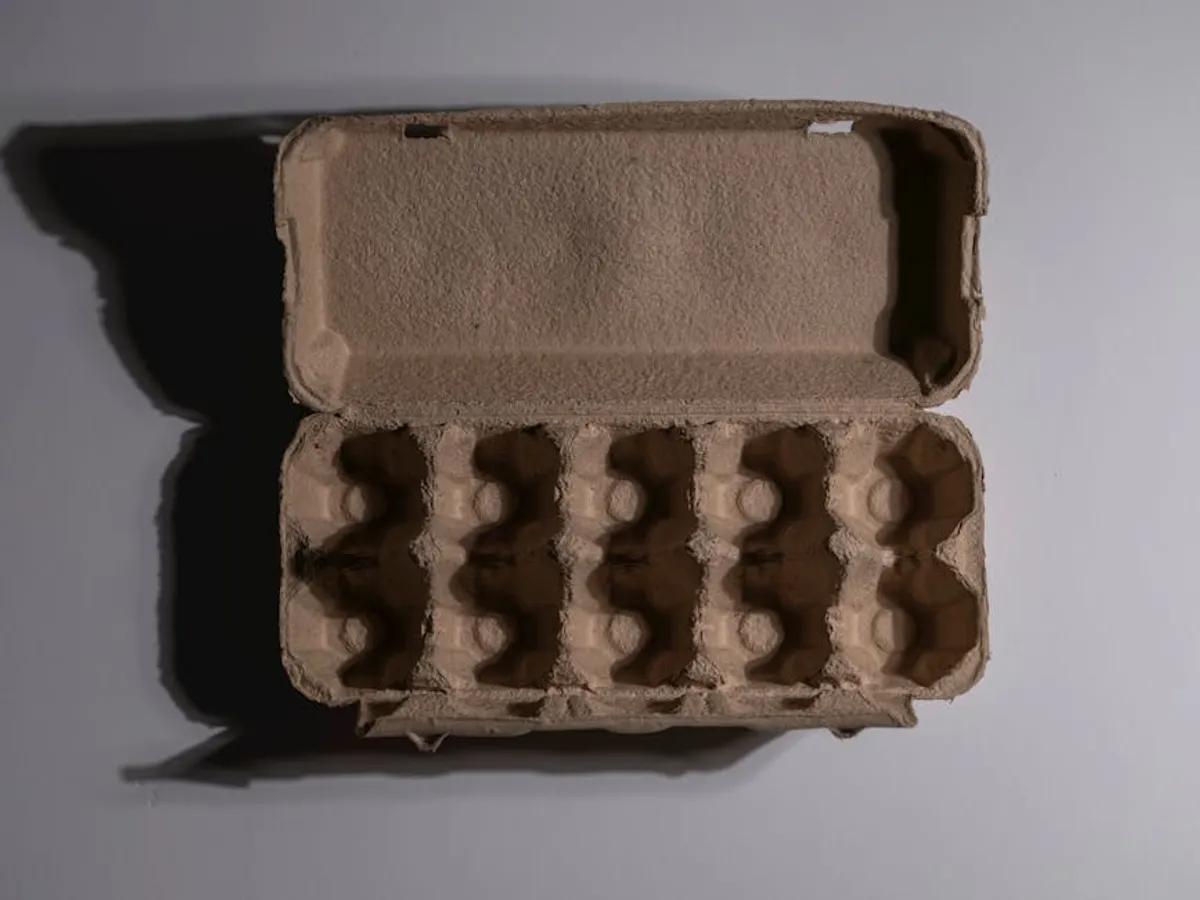
Best For: Shipping boxes, protective inserts, secondary packaging for various goods, egg cartons, tissue boxes, and certain dry food packaging where a natural, less refined aesthetic is acceptable.
Pros:
- Significantly reduces landfill waste and demand for virgin timber.
- Lower energy and water consumption during production compared to virgin paperboard.
- Supports a circular economy by giving waste paper a new life.
- Widely accepted in paper recycling streams, making it a convenient end-of-life option for consumers.
- Offers a rustic or natural aesthetic that appeals to environmentally conscious consumers.
Cons:
- Fibers shorten with each recycling cycle, limiting the number of times paper can be recycled into high-quality products.
- Can have a slightly duller appearance or less consistent color compared to virgin board.
- May not be suitable for applications requiring high structural strength or pristine whiteness.
- Similar to virgin paperboard, it has poor barrier properties without additional coatings that can complicate recycling.
How to Choose the Right Alternative
Selecting the optimal packaging alternative involves a strategic evaluation of your product's specific requirements, your brand's sustainability goals, and the realities of your supply chain and target markets. Begin by clearly defining the functional needs: what level of barrier protection is required? What is the desired shelf life? How will the product be transported and stored?
Next, assess the economic implications beyond unit cost. Consider tooling expenses, machinery compatibility, fill speeds, and potential for damage. A material that is cheaper per unit but slows down your production line or leads to higher spoilage rates is not cost-effective in the long run. Simultaneously, investigate the end-of-life infrastructure in your key markets. A material might be technically recyclable, but if local collection and reprocessing facilities are absent, its environmental benefit is diminished. Engage with your packaging suppliers for current market insights on material availability, pricing trends, and regulatory updates. Finally, consider consumer perception. Packaging is often the first physical interaction a customer has with your brand; ensure it communicates your values effectively and provides a positive experience.
FAQ
What is the primary difference between compostable and recyclable packaging?
Compostable packaging is designed to break down into organic matter in specific composting environments (industrial or home), returning nutrients to the soil. Recyclable packaging is designed to be collected, processed, and reformed into new products, diverting materials from landfills and reducing the need for virgin resources. The key difference lies in their intended end-of-life process and material composition.
Are all bio-based plastics considered compostable?
No, not all bio-based plastics are compostable. "Bio-based" simply means the material is derived from renewable biological resources, rather than fossil fuels. Some bio-based plastics are recyclable (e.g., bio-PET), while others are designed to be industrially compostable (e.g., PLA), and